
Plants
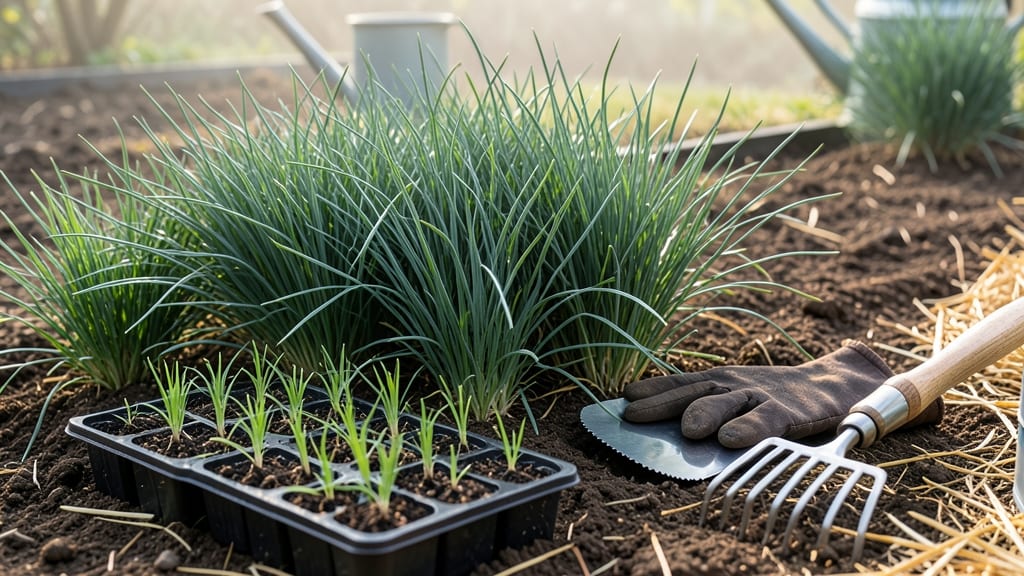
Planting fescue grass at the wrong time can leave your lawn struggling to take root before summer heat takes over—but when to plant fescue in spring is the key to a thick, green carpet that thrives all season.
The secret lies in getting those seeds in the ground 4-6 weeks before your last frost date, when soil temperatures are cool enough to encourage strong root growth without stressing the young plants.
For most of the U.S., that window opens in early to mid-spring, around March or April, depending on your hardiness zone. In USDA Zone 6a, where fescue 🌱 really shines, aim for late March to early April—just as the ground begins to thaw but before summer’s intensity arrives.
Missing this window could mean seeds sprouting too late, leaving them vulnerable to drought or heat stress.
Soil prep is just as critical as timing. Loosen the top 2-3 inches of soil, remove weeds, and rake smooth for even seed-to-soil contact. Water lightly after planting to keep the soil moist but not soggy, and you’ll see those first blades of grass emerge in about 2-3 weeks.
With the right timing and care, your fescue will establish deep roots and stay resilient through summer’s challenges.
Ready to transform your lawn? Let’s break down the exact steps to plant fescue at the perfect moment—plus how to tell if you’ve nailed the timing or need to adjust. Your future green space is just 4 weeks away.
The exact 4-Week spring planting window for fescue grass
Fescue grass thrives when planted during its optimal 4-week window in spring, a period carefully timed to avoid late frosts and summer heat stress. This cold-hardy grass needs 4-6 weeks to establish strong roots before summer arrives, so getting the timing right is critical.
In USDA Zones 4-7, this window typically falls between late March and mid-April, but regional climate variations shift these dates significantly.
For northern regions like Zones 4-5, the ideal planting window often starts as early as late February, while southern areas in Zones 6-7 may wait until mid-April. The key is planting when soil temperatures reach 50°F (10°C)—fescue seeds won’t germinate effectively in colder soil.
Waiting too long risks drought stress or weed competition before your lawn gets established.
Here’s how to pinpoint your exact planting window based on your hardiness zone and local climate patterns:
| USDA Zone | Ideal Planting Window | Soil Temp Threshold | Key Climate Factors |
|---|---|---|---|
| Zones 3-4 (Cold Climates) | Late February - Early April | 50°F (10°C) | Early last frost dates; shorter growing season |
| Zones 5-6 (Temperate) | Mid-March - Mid-April | 50°F (10°C) | Moderate frost risk; variable spring rains |
| Zones 7-8 (Warmer Climates) | Late March - Early May | 55°F (13°C) | Longer frost-free periods; higher summer heat risk |
| Zones 9-10 (Mild Winters) | February - March | 60°F (16°C) | Minimal frost; focus on avoiding summer drought |
Your local frost dates are the best guide for timing. Check your average last frost date (available from the National Weather Service or USDA Plant Hardiness Zone Map) and plant 4-6 weeks beforehand.
For example, if your last frost is April 15, aim to plant by March 15 to give fescue enough time to germinate and establish before summer heat arrives.
In regions with unpredictable spring weather, like the Pacific Northwest or Midwest, err on the earlier side of the window. These areas often experience late frosts that can damage young seedlings.
Conversely, in drier climates like the Southwest, planting too early risks drought stress, so wait until soil moisture is adequate.
Once you’ve nailed down your planting window, focus on soil preparation. Fescue prefers well-draining soil with a pH of 6.0-7.0. Test your soil 2-3 weeks before planting to adjust nutrient levels or drainage if needed.
A simple soil test kit (available at garden centers) will reveal whether your soil needs compost, sand, or lime to create the ideal seedbed.
After planting, maintain consistent moisture—fescue seeds need to stay evenly moist for germination, which typically takes 14-21 days. Use a light mulch (like straw) to retain moisture and protect seeds from crusting.
Avoid walking on the area until the grass reaches 3-4 inches tall to prevent seedling damage.
By following this 4-week spring planting window, you’ll give your fescue grass the best chance to establish deep roots before summer stress sets in. The result? A dense, drought-tolerant lawn that stays green even during heatwaves and recovers quickly from foot traffic.
Pro tip: Mark your calendar with your ideal planting dates and set reminders for watering schedules and fertilization to keep your fescue thriving all season long. 🌱
How to prepare your soil and site for fescue planting success
Now that you’ve picked your 4-week spring window for planting fescue grass, the next critical step is preparing your soil and site. Fescue thrives in well-prepared conditions, but poor soil can lead to slow germination or weak growth.
The key is creating a loose, nutrient-rich seedbed with the right pH balance and moisture retention. Let’s break this down into actionable steps to ensure your fescue establishes strong roots and outcompetes weeds.
Start by testing your soil pH—fescue prefers a slightly acidic to neutral range of 6.0 to 7.0. If your soil is too alkaline (high pH), mix in sulfur or peat moss to lower it gradually.
For acidic soil (low pH), add lime to raise the pH. A simple home soil test kit or local extension service can provide accurate results in just a few days. Don’t skip this step, as pH affects nutrient availability and root development.
Once your pH is ideal, it’s time to till the soil to a depth of 4 to 6 inches. This loosens compacted soil, improves drainage, and creates a perfect environment for fescue seeds to germinate.
Use a rototiller or garden fork for larger areas, or a hand fork for smaller patches. Avoid over-tilling, as this can disrupt soil structure and harm beneficial microorganisms. Aim for a fine, crumbly texture—like cake batter—that’s easy for seeds to penetrate.
Use a kit to check pH. Aim for 6.0–7.0 for fescue.
Add lime (high pH) or sulfur (low pH) 2–4 weeks before planting.
Loosen soil for better drainage and root penetration.
Pull weeds by hand or use a pre-emergent herbicide (apply 2 weeks before planting).
Use a rake to create a smooth, even surface for even seed distribution.
Mix in 2–3 inches of compost or a balanced fertilizer (10-10-10) for nutrients.
Weed control is another critical step before planting. Fescue seeds are tiny and need space to germinate, so remove existing weeds by hand or apply a pre-emergent herbicide designed for lawns. If using herbicide, follow the label instructions and apply it 2 weeks before planting to avoid damaging your fescue.
For organic options, use mulch or corn gluten meal, which suppresses weed seeds naturally. A weed-free seedbed ensures your fescue gets the nutrients and sunlight it needs to thrive.
After tilling and weeding, rake the soil to create a smooth, level surface. This step is often overlooked but is essential for even seed distribution. Use a bow rake to gently level the ground, removing any clumps or depressions.
A flat seedbed helps seeds make consistent contact with the soil, improving germination rates. If your lawn has low spots, fill them with a mix of soil and compost to create a uniform planting surface. This also prevents water from pooling, which can lead to rot or fungal issues.
Finally, enrich the soil with organic matter like compost or a slow-release fertilizer. Fescue benefits from a steady supply of nutrients, especially nitrogen, phosphorus, and potassium. Work in 2–3 inches of compost or apply a balanced fertilizer (10-10-10) according to the package instructions.
Avoid over-fertilizing, as this can burn young seedlings. Once your soil is prepped, it’s ready for planting—just follow up with light watering to settle the seeds and kickstart germination. With these steps, your f