
Plants
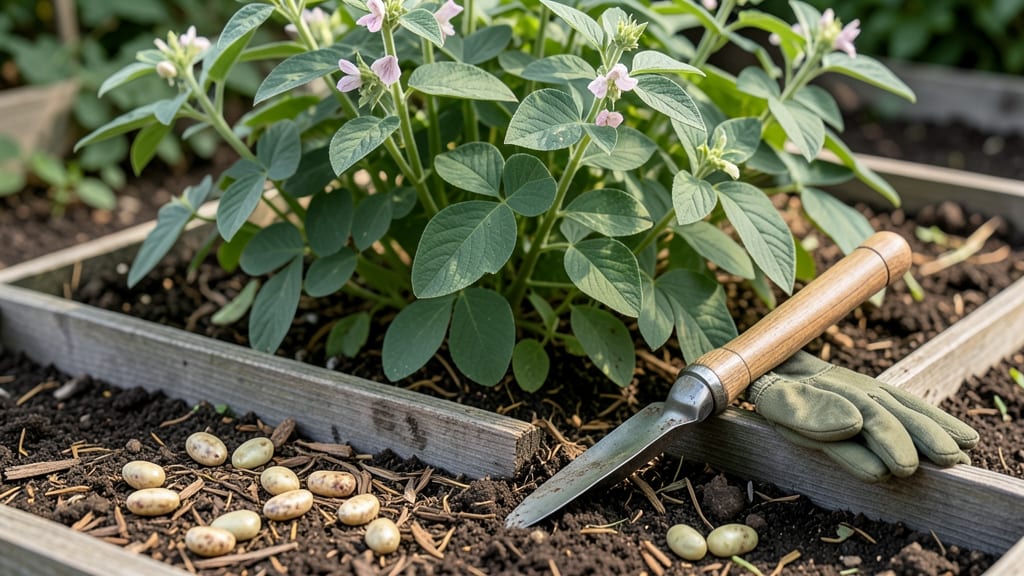
Planting fava beans in California isn’t just about throwing seeds into the ground—it’s about timing them just right to dodge frost, heat, and unpredictable weather. One wrong move, and your 🌱 fava bean harvest could disappear before it even starts, leaving you with nothing but empty rows.
Here’s the secret: coastal areas like San Francisco and inland valleys like the Central Valley have completely different planting windows. Get it wrong, and you’ll either freeze your seedlings or watch them bolt in the heat.
I’ll break down the exact months to plant for your microclimate—plus how to adjust for late rains, sudden frost, or scorching sun.
Why does this matter? Because fava beans thrive in California’s winter, but only if you play by their rules. Whether you’re a backyard gardener or a small-scale farmer, knowing when to plant means the difference between a bountiful harvest and a wasted season. Let’s get your timing dialed in.
You’ll learn the best months for your zone, how to prep soil for maximum yields, and even which companion plants keep pests away. Ready to turn your garden into a fava bean powerhouse? Let’s dig in.
California fava bean planting zones: coastal vs inland timing explained
California’s coastal and inland regions create wildly different growing conditions for fava beans. While coastal areas like San Diego enjoy mild winter temperatures, inland valleys such as the Central Valley can experience harsh frosts that kill tender seedlings.
Understanding these microclimates is key to timing your planting for a successful harvest. The wrong window means stunted growth, bolting, or even total crop failure.
Frost is the biggest enemy of fava bean seedlings. Coastal regions rarely drop below 35°F, while inland areas can see 20°F nights—a deadly difference. Soil temperature also matters: seeds need 45–50°F soil to germinate, but roots thrive in 60–70°F for robust growth.
Planting too early risks frost damage, while waiting too long may trigger heat stress or premature bolting.
Here’s how to align your planting with California’s two distinct zones—coastal and inland—using frost dates and soil temperature thresholds as your guide. The table below breaks down the optimal planting windows, soil requirements, and best varieties for each region.
| Region Type | Best Planting Window | Soil Temperature Requirement (°F) | Frost Risk Period | Key Varieties to Choose |
|---|---|---|---|---|
| Coastal (e.g., San Francisco, Santa Barbara) | October 15 – February 15 | 50–65°F (optimal germination at 55°F) | Light frost possible Dec 15–Jan 15 | Aquadulce, Early Bird, Windsor |
| Inland Valleys (e.g., Central Valley, Sacramento) | January 15 – March 1 | 50–60°F (avoid below 45°F) | Hard frost Nov 15–Feb 15 | Orobanche-resistant varieties like Hill or Alaska |
| Desert (e.g., Palm Springs, Coachella) | October 1 – November 15 | 55–70°F (avoid summer heat) | Minimal frost risk (Dec 15–Jan 1) | Early maturing Windsor or Early Bird |
*Varieties like Aquadulce are cold-hardy but bolt faster in heat; Hill resists Orobanche weed.
If you’re in a coastal zone, aim to plant fava beans between October 15 and February 15. The mild winters mean you can start earlier, but avoid planting before October 1—coastal winds and chilly nights can stunt germination.
Varieties like Aquadulce thrive here, producing sweet, large pods if given consistent moisture.
Inland gardeners should wait until after January 15 to plant. The Central Valley’s cold snaps can drop temperatures to 20°F, killing seedlings overnight. Choose Orobanche-resistant varieties like Hill or Alaska to avoid soil-borne pests that thrive in these regions.
Planting after March 1 risks heat stress, causing plants to bolt prematurely.
For desert regions, the window is narrow: October 1 to November 15. Summer heat is deadly for fava beans, so avoid planting after November 15. Early maturing varieties like Windsor are ideal—they produce pods before spring temperatures rise.
Use shade cloth if planting in late fall to protect seedlings from unpredictable cold snaps.
Pro tip: Check your local frost dates using the USDA Plant Hardiness Zone Map. Coastal areas (Zones 9–10) rarely see frost, while inland valleys (Zones 7–9) need row covers for extra protection.
Planting 4–6 weeks before your last frost date ensures seedlings establish roots before winter chill sets in.
Soil temperature is just as critical as air temperature. Use a soil thermometer to confirm your garden bed is at least 50°F before planting. Cold soil slows germination, leaving seedlings vulnerable to damping-off disease.
In inland areas, mulch heavily with straw to insulate roots and maintain consistent soil temps.
Timing your fava bean planting to California’s microclimates isn’t just about avoiding frost—it’s about maximizing pod production. Coastal gardeners enjoy a longer harvest window (April–June), while inland growers should prioritize early-maturing varieties to beat the heat.
With the right timing, you’ll go from seed to harvest in just 120 days—and enjoy homegrown fava beans at their peak sweetness.
How to adjust planting for California’s unpredictable weather patterns
California’s microclimates can turn fava bean planting into a high-stakes game—one wrong move with frost or heat, and your crop could fail before it starts.
I’ve learned the hard way that coastal and inland zones behave like entirely different planets, especially when it comes to frost dates and rainfall patterns. For example, while San Francisco might see mild winter rains in December, the Central Valley could still face freezing nights as late as February.
My strategy? Flexible timing and protective layers. I adjust planting dates based on local frost forecasts and use row covers or mulch to shield seedlings from sudden temperature swings.
Even a 3-day heatwave in March can stress young fava plants, so I always have backup plans ready. Let’s break down how to navigate these challenges like a pro.
⚠️ WARNING: Critical Planting Deadlines for Fava Beans in California ⚠️
- Inland Areas: Avoid planting before January 15—frost can kill seedlings overnight. Wait until soil warms to 45°F.
- Coastal Regions: Delay until February 1 to bypass chilly coastal winds. Use row covers if planting earlier.
- All Regions: Never plant after March 15 in inland areas—heat stress stunts growth. Coastal gardeners can extend to April 1.
One of my biggest lessons came from a late-winter rainstorm in January that turned my inland garden soil into mud. Fava beans hate soggy roots, so I immediately raised beds and added gravel drainage layers.
Since then, I’ve made it a rule to plant on raised beds or mounds in areas prone to winter flooding. For coastal gardeners, windbreaks are a must—favas can flop over in gusty conditions, and I’ve lost entire rows to toppling plants.
When sudden heatwaves hit in early spring, I’ve found that shade cloth (30–50% coverage) buys me critical time. Fava beans can bolt prematurely if stressed by heat, and once they bolt, pod production slows.
I also mulch heavily with straw to retain moisture and regulate soil temperature. This simple trick has doubled my yield in hot inland zones like Bakersfield.
For frost protection, I swear by floating row covers (like Agribon). They’re lightweight, breathable, and can raise soil temps by 5–8°F—enough to prevent frost damage in marginal zones. I’ve used them to extend the growing season by 3–4 weeks in both coastal and inland gardens.
Just remember to secure the edges with bricks or soil—California’s windy conditions can rip them apart overnight.
If you’re in a transition zone (like Sonoma Coast or San Joaquin Valley), consider successive planting. Start with a small batch in late January, then add more in early February to stagger harvests.
This way, you’re not all-in on one crop vulnerable to a single late frost or heatwave. I’ve also had luck with container growing—filling 5-gallon buckets with well-draining mix lets me move plants to shadier spots during heatwaves or warmer microclimates if frost looms.
My final tip? Monitor weather apps like Weather Underground or NOAA daily. California’s unpredictable jet streams can shift frost lines overnight. By adjusting on the fly—whether that means covering plants, watering deeply, or delaying sowing—you’ll outsmart the weather and maximize your harvest.
Trust me, your fava beans will thank you with plump, sweet pods all season long. 🌱