
Plants
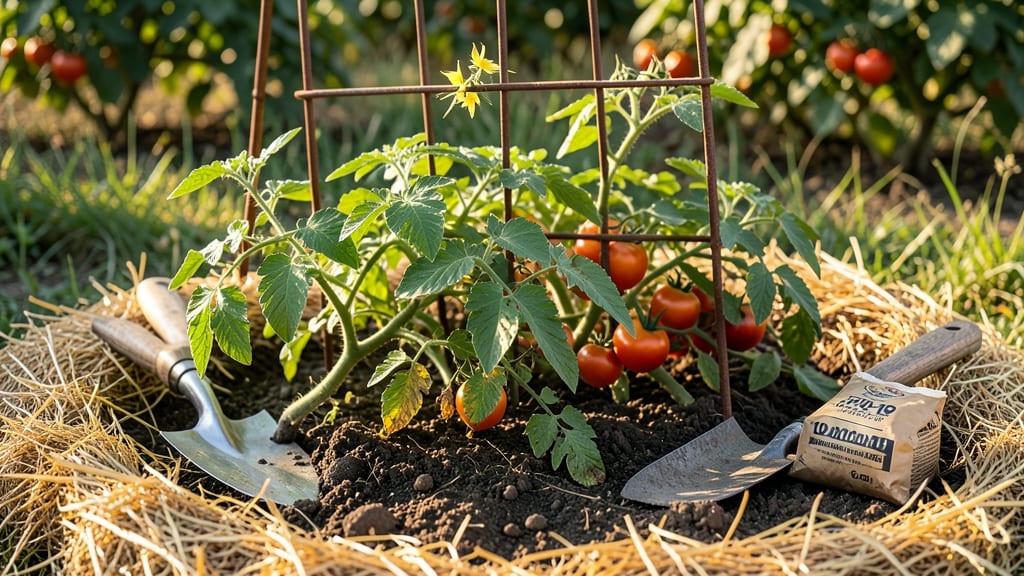
Planting fall tomatoes in South Texas isn't just about sticking them in the ground—it's about catching that sweet spot between scorching summer heat and the first frost of winter.
Miss the window, and your 🍅 plants either wilt before bearing fruit or get nipped by cold before you even taste your harvest.
With Heat Zone 9b's unpredictable swings, timing is everything. Start too early in August, and your seedlings will fry in the 100°F+ soil. Wait until late September, and frost could sneak in by December before your tomatoes ripen.
The key? A 4-6 week buffer before the average first frost date—usually around December 1st.
I’ve grown fall tomatoes in South Texas for years, and here’s what I’ve learned: the mid-August to early September window is your best bet for fast-maturing varieties like 'Celebrity' or 'Early Girl.'
But it’s not just about dates—soil temperature, shade cloth, and even mulch can stretch your harvest window. Let me break down exactly how to nail this for a bountiful fall.
Ready to avoid the common pitfalls? You’ll discover how to prep your soil, choose the right varieties, and extend your harvest well into December—without losing your plants to heat or frost. Let’s get those tomatoes growing!
South Texas fall tomato planting deadlines: avoid heat & frost traps
Timing your fall tomato planting in South Texas is a delicate balance—too early and your seedlings wilting under 100°F+ heat, too late and frost ruins your harvest.
The key lies in understanding your Heat Zone 9b climate, where summer lingers into October and frost can arrive as early as December 1. Your 90-day harvest window begins counting backward from the first frost date, making precise planning essential.
For most of South Texas, including San Antonio and Corpus Christi, the optimal transplant window runs from mid-August to early September. This gives your tomatoes 60-75 days to mature before temperatures drop.
In coastal areas like Brownsville, where frost arrives later (around December 15), you’ve got a slightly extended window—planting can stretch into late September for cold-hardy varieties.
Soil temperature is your secret weapon. Tomatoes thrive when soil stays between 60°F and 85°F. In South Texas, daytime soil temps often hit 90°F+ in August, which stresses seedlings.
Wait until nighttime temps consistently drop below 85°F (usually by late August) before transplanting. Use a soil thermometer to confirm—this small tool prevents costly mistakes.
| Region | Last Transplant Date | First Frost Avg. | Ideal Varieties | Soil Prep Tip |
|---|---|---|---|---|
| San Antonio | Early September | December 1 | 'Celebrity', 'Mountain Merit' | Add compost to improve drainage |
| Corpus Christi | Mid-August to early Sept. | November 20 | 'Early Girl', 'Better Boy' | Mulch with straw to retain moisture |
| Brownsville | Late September | December 15 | 'Cold Set', 'Solar Fire' | Use black plastic mulch to warm soil |
Your 90-day harvest window is non-negotiable. For example, if your first frost is December 1, count backward: plant by September 1 for a 75-day variety like 'Celebrity'. Need more time?
Choose a 60-day variety like 'Early Girl' and plant by October 1, but use row covers to delay frost damage. Pro tip: Check the Texas A&M AgriLife Extension for your county’s specific frost dates—they adjust yearly.
South Texas’s clay-heavy soils can become a trap if not prepped. Before planting, amend your soil with 2-3 inches of compost and work in sand or perlite to improve drainage. Stagnant water around roots leads to blossom end rot, a common fall tomato killer.
Test your soil’s pH—aim for 6.0-6.8. If it’s too alkaline (common in Texas), add sulfur or peat moss to lower the pH before transplanting.
Transplanting too early? Your tomatoes will suffer from heat stress, showing symptoms like yellowing leaves and dropped flowers. Wait until daytime temps are consistently below 90°F and nighttime temps drop to 70°F.
Harden off your seedlings for 7-10 days before transplanting by gradually exposing them to outdoor conditions. This toughens their stems and reduces shock when moved to your garden.
Watering strategy makes or breaks your fall harvest. Deep water once every 2-3 days in the morning to encourage deep root growth. Avoid overhead watering in the evening—this invites fungal diseases like early blight.
Use drip irrigation or soaker hoses to deliver water directly to the soil. In September, when temps start dropping, reduce watering slightly to every 3-4 days to prevent soil-borne diseases.
Don’t overlook mulching—it’s your best defense against temperature swings. Apply 2-3 inches of straw or shredded leaves around your tomato plants to insulate roots. Mulch also suppresses weeds and retains moisture, reducing your watering workload.
For an extra boost, use black plastic mulch in cooler areas like Brownsville to absorb heat and speed up soil warming in early fall.
Monitor your plants closely as fall approaches. Watch for early signs of frost damage: blackened leaves, wilting, or a white frost crust. If a light freeze (below 32°F) is forecast, cover your plants with frost blankets or row covers.
For a hard freeze (below 28°F), it’s too late—harvest any ripe tomatoes immediately and compost the rest to avoid disease next season.
Remember: South Texas’s fall tomato success hinges on two critical dates—your last transplant window and first frost date. Use local resources like weather.com or the National Weather Service to track forecasts, and adjust your planting timeline accordingly.
With the right timing, you’ll enjoy homegrown tomatoes well into November, beating the frost and savoring the sweet reward of your labor. 🌱
How to extend your fall tomato season in South Texas: 5 proven tactics
South Texas gardeners know the struggle—fall tomatoes need to mature before the first frost, but our unpredictable weather makes timing tricky. The key to extending your harvest lies in strategic planning and smart tactics.
By combining cold-hardy varieties, soil warming techniques, and protective covers, you can push your tomatoes to bear fruit well into November. Here’s how I’ve successfully added 4-6 extra weeks to my season.
First, focus on fast-maturing varieties that thrive in cooler temps. My top picks are 'Celebrity' (60 days to maturity) and 'Mountain Merit' (58 days), both of which handle South Texas’ mild winters better than standard varieties.
These aren’t just any tomatoes—they’re bred to resist cracking and disease, which is critical when nighttime temps dip into the 50s. Pair them with row covers or low tunnels to shield plants from early frosts while still allowing sunlight and airflow.
For soil warming, I swear by black plastic mulch laid down 2-3 weeks before transplanting. It raises soil temps by 5-10°F, giving seedlings a head start. Pair this with drip irrigation to maintain consistent moisture—South Texas’ clay soils can dry out fast, stressing plants.
I also add a layer of compost before planting to improve drainage and provide slow-release nutrients. This combo keeps my tomatoes thriving even as daytime temps drop.
Don’t overlook the power of pruning and staking. In fall, focus on removing lower leaves to improve airflow and reduce disease risk. Use cage supports or trellises to keep plants upright, which helps prevent soil-borne pathogens from splashing onto fruit.
I’ve found that determinate varieties like 'Mountain Merit' handle staking better in fall, producing compact plants that bear fruit faster.
Finally, monitor weather forecasts closely. When nighttime temps dip below 50°F, it’s time to deploy floating row covers. These lightweight fabrics trap heat during the day and insulate plants at night, extending the season by 3-4 weeks.
Just remember to remove covers during the day to prevent overheating—South Texas sun is still strong in October. With these tactics, I’ve harvested tomatoes well into December, even in years with early frosts.
Pro tip: Keep a harvest journal to track which varieties perform best in your microclimate. Note when you planted, how you protected them, and your final yield. Next year, you’ll know exactly which methods to repeat—and which to tweak. Happy gardening!