
Plants
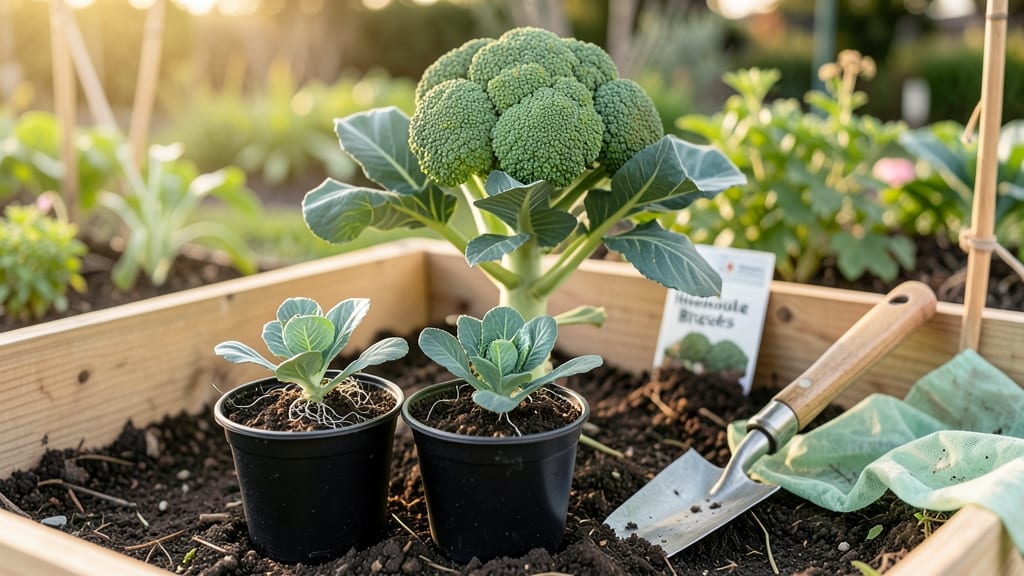
Planting broccoli 🥦 in Minnesota’s chilly climate isn’t just about dropping seeds in the dirt—it’s about outsmarting frost, knowing exactly when to start, and giving your plants the best shot at thriving in zones 4a-5b.
Get the timing wrong, and you’ll either wait forever for harvests or watch your hard work wilt before it even begins.
I’ve grown broccoli here for years, and the difference between a bountiful fall crop and a sad, stunted plant comes down to two things: patience and precision.
Whether you’re a first-time gardener or a seasoned pro, these exact planting windows will help you avoid common mistakes and maximize your yield—no matter where you are in the state.
Most gardeners focus only on spring planting, but Minnesota’s short season means fall crops are just as important. We’ll cover both windows, plus how to stretch your growing season with simple tricks that work even in colder regions. Ready to turn your backyard into a broccoli powerhouse?
From starting seeds indoors to transplanting at the perfect moment, I’ll walk you through every step—so you can enjoy fresh, homegrown broccoli from June through October without the guesswork. Let’s get those plants in the ground the right way.
Minnesota broccoli planting dates by frost timeline (Zone 4-5 guide)
Minnesota’s short growing season demands precision when planting broccoli. The last frost date varies by region—typically mid-May in the Twin Cities but earlier in southern areas like Rochester.
Fall planting requires even more care, with first frost hitting mid-October. Timing your spring and fall crops correctly ensures a bountiful harvest before cold snaps strike.
Broccoli thrives in cool weather, making it ideal for Minnesota’s climate. However, planting too early exposes seedlings to frost damage, while late planting risks bolting (premature flowering) as temperatures rise.
The key is understanding your microclimate—urban areas may warm faster than rural spots, while southern exposures get sunlight earlier in the season.
Spring planting should begin 4-6 weeks before your last frost date, while fall planting needs to start 8-10 weeks before the first frost. For Minnesota, this translates to mid-April to early June for spring and late July to early August for fall. Adjust these windows based on your specific USDA Zone 4-5 location—Duluth’s cooler climate may need earlier starts than Rochester.
| Region | Last Frost Date | First Frost Date | Spring Planting Window | Fall Planting Window |
|---|---|---|---|---|
| Twin Cities (Zone 4b) | May 10-15 | October 10-15 | April 15-May 10 | July 20-August 5 |
| Duluth (Zone 4a) | May 5-10 | October 5-10 | April 1-May 5 | July 10-July 25 |
| Rochester (Zone 4b) | May 12-17 | October 12-17 | April 20-May 12 | July 25-August 10 |
For spring planting, start seeds indoors 6-8 weeks before your last frost date to give seedlings a head start. Transplant outdoors 2-3 weeks before the last frost, ensuring soil temperatures are above 40°F.
Use row covers or cold frames to extend the season if frost threatens after transplanting.
Fall planting requires earlier starts since broccoli needs 60-80 days to mature. Begin seeds indoors 8-10 weeks before your first frost, then transplant 4-6 weeks before frost. Choose cold-hardy varieties like 'Waltham 29' or 'De Cicco' to withstand Minnesota’s cool nights and early frosts.
Adjust your planting timeline based on microclimates. South-facing gardens warm faster, allowing later starts, while northern exposures or low-lying areas may need earlier planting. Monitor local weather forecasts and use frost-free date calculators for precise timing.
Even a 1-2 week shift can mean the difference between a thriving crop and a failed harvest.
If you’re unsure about your last frost date, err on the side of caution. Plant test crops of fast-maturing varieties like 'Calabrese' to gauge your garden’s readiness.
Remember, broccoli bolts (goes to seed) quickly in warm weather, so avoid planting too late in spring or too early in fall when temperatures rise above 75°F.
For urban gardeners, consider container growing to move plants to sheltered spots during late-season frosts. Black plastic mulch can also warm soil faster in spring, giving seedlings a better start.
With the right timing and a few season-extending tricks, you can enjoy homegrown broccoli from June through October in Minnesota’s challenging climate.
🌱
How to extend your broccoli growing season in cold climates
Minnesota’s chilly springs and early frosts don’t have to limit your broccoli harvest. With the right strategies, you can grow cold-hardy varieties like 'Waltham 29' or 'De Cicco' well beyond the typical 60-day growing season.
These varieties thrive in cooler temperatures, making them perfect for Zone 4-5 gardens. The key is combining season extension techniques with smart planting schedules to maximize your yield.
Start by selecting early-maturing varieties that can handle light frosts. Pair these with row covers or cold frames to protect tender seedlings from late spring frosts. Even a simple floating row cover can raise soil temperatures by 5-10°F, giving your plants a head start.
For fall planting, aim for varieties that mature in 50-60 days to harvest before the first frost hits in mid-October.
- Choose cold-hardy varieties: Opt for 'Waltham 29' or 'De Cicco'—both tolerate 28°F and thrive in 50-60°F soil.
- Use row covers: Lightweight floating row covers add 5-10°F protection and extend the season by 3-4 weeks.
- Warm soil with black plastic: Lay black plastic mulch 2 weeks before planting to raise soil temps by 10-15°F.
- Succession plant every 2 weeks: Stagger plantings to ensure a continuous harvest from June to October.
- Harvest before bolting: Pick heads when firm and compact to prevent flowering triggered by heat.
Another game-changer is soil warming. Before planting, cover your beds with black plastic mulch for 2 weeks to raise soil temperatures. This trick works especially well in late spring when cold soil slows germination.
Pair this with succession planting—sow new seeds every 2 weeks from mid-April to early June for a staggered harvest. For fall, start seeds indoors in late July and transplant outdoors by early August.
Don’t overlook companion planting to protect your broccoli. Plant garlic, onions, or thyme nearby to deter pests like cabbage worms. These companions also improve soil health, giving your broccoli a stronger foundation. If pests still appear, use neem oil or row covers to keep them at bay without chemicals.
For an even longer season, consider a cold frame or low tunnel. These structures can extend your growing window by 4-6 weeks in both spring and fall.
Just ensure proper ventilation to prevent heat buildup during sunny days. With these techniques, you’ll enjoy homegrown broccoli from June through October, even in Minnesota’s challenging climate.
Remember, the goal is consistency. Monitor your plants daily for signs of stress—wilting, yellowing leaves, or slow growth—and adjust your care accordingly. With patience and the right strategies, your broccoli plants will thrive well beyond the typical growing season. Happy gardening! 🥦