
Plants
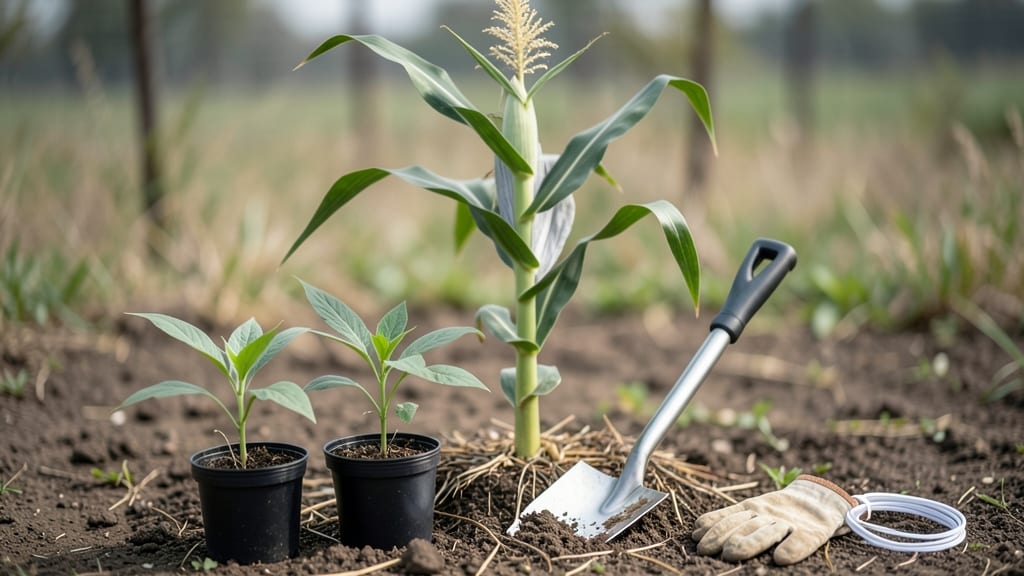
Timing your 🌽 corn planting in East Texas can make or break your harvest—one late frost and those tender seedlings won’t survive. Unlike other crops, corn demands precision, especially in Zone 8a where spring weather swings wildly between chilly nights and sudden heatwaves.
Most gardeners here wait until mid-April to early May, but that’s just the starting point. The real secret lies in monitoring soil temperatures (aim for 60°F+) and tracking local frost dates, which can vary by 10 days even within the same county.
Skipping this step often leads to stunted plants or worse.
In this guide, I’ll break down the exact weeks to plant based on your microclimate—whether you’re in the cooler North Texas hills or the warmer Southeast Texas plains. You’ll also learn how to adjust for unpredictable weather, so you’re never caught off guard by another 30°F drop.
By the end, you’ll know not just when to plant, but why those dates matter most for your specific corner of East Texas. Let’s get those seeds in the ground at the perfect moment.
Optimal planting weeks for East Texas corn based on microclimates
East Texas presents unique challenges for corn growers due to its variable spring temperatures and late frost risks. Unlike northern regions, East Texas' USDA Zone 8a offers a longer growing season, but timing is everything. Plant too early, and a late frost can wipe out your crop.
Plant too late, and you risk heat stress during pollination. The key lies in understanding your specific microclimate—whether you're in the wooded hills of North Texas, the fertile plains of Central Texas, or the humid river bottoms of South Texas.
For zero frost risk, I recommend focusing on soil temperature rather than calendar dates. Corn seeds need consistent soil temps above 60°F to germinate reliably.
In East Texas, this typically aligns with mid-April to early May, but your exact window depends on which region you're in—and even which side of your county you're gardening on.
Let's break down the optimal planting weeks for each East Texas microclimate, using historical frost data and local agricultural records.
| Region | Optimal Planting Window | Soil Temp Requirement | Last Frost Date (Avg) | Notes |
|---|---|---|---|---|
| North East Texas (e.g., Tyler, Longview) | April 15 - May 1 (Weeks 16-20) | 60°F+ consistently | March 25 | Higher elevation = cooler soils; wait for 60°F |
| Central East Texas (e.g., Lufkin, Nacogdoches) | April 1 - April 15 (Weeks 14-16) | 58°F+ minimum | March 15 | Warmer microclimates near rivers allow earlier planting |
| South East Texas (e.g., Beaumont, Orange) | March 25 - April 10 (Weeks 13-15) | 55°F+ minimum | March 5 | Humidity extends frost-free window; monitor for fungal risks |
| All Regions (Late Planting) | May 15 - June 1 (Weeks 20-24) | 65°F+ minimum | N/A (Heat-tolerant varieties only) | For short-season varieties; harvest before summer heat peaks |
In North East Texas, where cooler temperatures linger longer, I recommend waiting until April 15 to plant corn. This region's average last frost date of March 25 can be misleading—soil temperatures often stay below 60°F for weeks after the official frost date.
Use a soil thermometer to confirm readiness, especially in elevated areas where cold air pools. If you're near pine forests or wooded areas, delay planting by another week to account for slower soil warming.
For Central East Texas, where cities like Lufkin and Nacogdoches sit, you can push planting back to early April. The warmer microclimates near rivers like the Angelina or Neches can allow for even earlier planting, but be cautious—humidity increases fungal risks when combined with cool, wet soils.
If you notice blackened seedling tips or mushy stems, you're likely dealing with
How to adjust planting dates for unpredictable East Texas weather patterns
East Texas weather can shift from unseasonable warmth to late frost in a matter of days, making rigid planting schedules risky for corn. I’ve learned the hard way that even a single frost after germination can wipe out weeks of effort.
The key is flexibility—adjusting your timeline based on real-time conditions rather than sticking to a calendar.
Start by monitoring soil temperatures and frost forecasts from trusted sources like the National Weather Service or local agricultural extensions. Corn seeds need soil that’s consistently 60°F or warmer to germinate properly.
If your area experiences an early heatwave in March, you might safely plant a few weeks ahead—but always have a backup plan for cooler snaps.
⚠️ callout-warning ⚠️
Even if your last frost date is March 15, don’t rush planting. A 30% chance of frost can linger into early April in North Texas regions. Use row covers or wait until soil temps stay above 60°F for 5+ days to ensure germination success. Young corn (3 leaves) is especially vulnerable to cold snaps.
For gardeners in South Texas, where frost is rare, focus on heat tolerance instead. If temperatures climb above 90°F before your corn reaches tasseling stage, consider planting early-maturing varieties (like Silver Queen) to avoid kernel abortion from stress. I once planted Golden Bantam too late in a heatwave and lost half my crop—don’t make the same mistake!
Another trick I’ve used is the 5-4-3 rule: Plant your first batch when the 5-day forecast shows no frost risk, your second batch 4 weeks later, and a final batch 3 weeks after that.
This staggered approach ensures a continuous harvest window and spreads risk across unpredictable weather. It’s worked perfectly for my succession planting in Tyler.
Don’t overlook microclimate variations within East Texas. A low-lying area may frost while a hilltop garden stays warm. I once had corn thrive on a south-facing slope while my neighbor’s flat yard suffered frost damage. Use a minimum-maximum thermometer in multiple spots to track local differences.
Finally, keep an eye on rainfall patterns. Too much rain before planting can waterlog soil and delay germination, while drought stress can stunt young plants. If your forecast predicts heavy rains in your planting window, consider using raised beds or planting on mounds to improve drainage.
My drip irrigation system helps maintain consistent moisture without over-saturating the soil.