
Plants
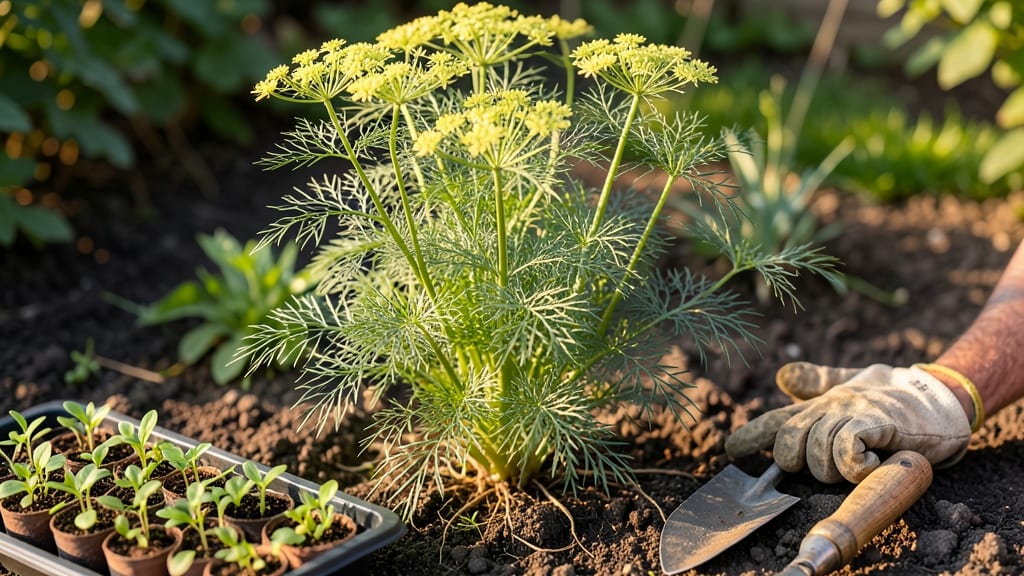
Planting dill in Texas isn’t just about grabbing seeds and sticking them in the ground—it’s about outsmarting the heat and frost to get a thriving harvest. 🌿 The wrong timing means bolting before you even taste that fresh dill flavor, or worse, wilting under the relentless sun.
With Texas’ 8a-10b climate, you’ve got two narrow windows to nail it: late winter/early spring and late summer.
Most gardeners in the Lone Star State miss the mark because they don’t account for regional frost dates—North Texas (Zone 8a) and South Texas (Zone 10b) play by completely different rules.
Plant too early, and a late frost will fry your seedlings; too late, and the summer heat sends your dill into early retirement. The key is knowing when to start seeds indoors or directly sow for maximum survival.
Here’s what I’ve learned after years of trial and error: the best planting times for Texas are February-March for spring harvests and August-September for fall.
But there’s more to it than dates—variety selection, shade strategies, and even soil prep can mean the difference between a sad, stunted plant and a lush, flavorful harvest.
Ready to grow dill that actually thrives? I’ll walk you through the exact steps—from choosing heat-resistant varieties to extending your harvest with clever planting tricks. Let’s make sure your dill doesn’t become another Texas casualty of the elements.
Texas dill planting calendar: frost dates by region and heat zones
Texas gardeners know timing is everything—especially when planting delicate herbs like dill. This cool-season crop bolts quickly when temperatures climb above 85°F, making frost dates your best friend. North Texas (Zone 7b-8a) faces harsher winters, while South Texas (Zone 9a-9b) enjoys extended growing seasons.
Let’s break down the optimal planting windows for each region to maximize your harvest.
Dill thrives in cool weather (60–75°F), so timing your plantings around frost dates ensures healthy growth. In North Texas, the average last frost is around February 15, while South Texas rarely sees frost after January 15.
Central Texas (Zone 8a-8b) falls in between, with a last frost date near February 1.
Here’s your region-specific planting calendar for dill in Texas, including frost dates and heat tolerance thresholds:
| Region | USDA Zone | Last Frost Date | First Frost Date | Best Planting Window | Heat Tolerance Threshold |
|---|---|---|---|---|---|
| North Texas | 7b-8a | February 15 | December 1 | February–March & August–September | Bolts at 85°F+ |
| Central Texas | 8a-8b | February 1 | November 15 | January–March & August–September | Wilts at 90°F+ |
| South Texas | 9a-9b | January 15 | November 1 | December–February & August–September | Survives 95°F with shade |
For North Texas gardeners, focus on planting dill in late winter (February–March) to avoid summer heat. If you want a fall harvest, sow seeds in August for a late-season crop before the first frost hits in December.
Use shade cloth to protect plants if temperatures exceed 85°F.
Central Texas offers a slightly longer window, but dill still struggles in peak summer heat. Plant in January–March for spring harvests or August–September for fall. Mulch heavily to keep roots cool, and avoid planting near heat-reflective surfaces like pavement or dark soil.
South Texas gardeners have the advantage of a longer frost-free season, but dill still prefers cooler weather. Aim for December–February plantings to avoid the brutal summer heat. If you’re determined to grow dill in summer, opt for container gardening with afternoon shade and frequent watering to prevent bolting.
Pro tip: Use succession planting every 2–3 weeks to ensure a continuous harvest. For example, in North Texas, plant a new batch in late February, then again in early March for staggered maturity.
This method works especially well in Central and South Texas, where the growing season is longer.
Always check your local frost date averages—they can vary by 1–2 weeks depending on microclimates. For real-time updates, consult the Texas A&M AgriLife Extension or use a frost calendar app like Old Farmer’s Almanac.
With the right timing, you’ll enjoy fresh dill from spring to fall without the stress of bolting.
Remember, dill’s heat tolerance is limited, so don’t push your luck. If temperatures consistently exceed 90°F, your plants will bolt prematurely, turning bitter and unusable. Plan ahead, and you’ll reap the rewards of a thriving dill garden all season long.
Heat-resistant dill varieties that survive Texas summers (without bolting)
Texas summers can turn dill into a sad, bolting mess—unless you choose the right varieties. The key is selecting heat-tolerant cultivars that resist premature flowering while maintaining flavor.
My top picks? ‘Bouquet’ and ‘Fernleaf’ lead the pack, but each has unique strengths for Texas conditions. Let’s break down which thrives where and why.
If you’re growing dill in North Texas (Zone 8a), ‘Bouquet’ is your best bet—it handles 90°F+ temps better than standard varieties. In South Texas (Zone 9b), ‘Fernleaf’ shines with its compact growth and slower bolting. Both avoid the classic Texas dill trap: premature seed production from heat stress.
🔍 PROS-CONS BOX
🌿 ‘Bouquet’ Dill
- ✔ Heat tolerance: Handles 95°F+ without bolting
- ✔ Long harvest window: 60+ days of leaf production
- ✔ Bold flavor: Stronger anise notes than ‘Fernleaf’
- ✖ Taller growth: Needs staking in windy areas
- ✖ Slower establishment: Takes 30 days to mature
🌿 ‘Fernleaf’ Dill
- ✔ Compact size: Ideal for containers and small spaces
- ✔ Drought-resistant: Thrives with 50% less water than standard dill
- ✔ Slow bolting: Stays leafy in 100°F heat
- ✖ Milder flavor: Less anise kick than ‘Bouquet’
- ✖ Shorter harvest: Peak leaf production lasts ~45 days
For container gardening in urban Texas, ‘Fernleaf’ is my go-to—it fits in 5-gallon pots and tolerates midday shade better than its taller cousins. Pro tip: Add 1 inch of mulch to retain moisture and keep roots cool during 100°F+ heat waves.
If you’re after seed production, neither variety is perfect—but ‘Bouquet’ comes closest. Its slower bolting gives you a 10-day window to harvest seeds before they shatter in Texas humidity. For leaves, ‘Fernleaf’ wins with its finely cut foliage, perfect for pickling or garnishes.
My final recommendation: Plant ‘Bouquet’ in spring (March) for a summer harvest, then switch to ‘Fernleaf’ in fall (September) to beat the heat. Both varieties outperform standard dill in Texas, but ‘Fernleaf’ is the true heat warrior.
Ready to try? Start with ‘Bouquet’ if you love bold flavors, or ‘Fernleaf’ if you prioritize drought resistance. Either way, you’ll avoid the Texas dill disaster of bolting before harvest. 🌱