
Plants
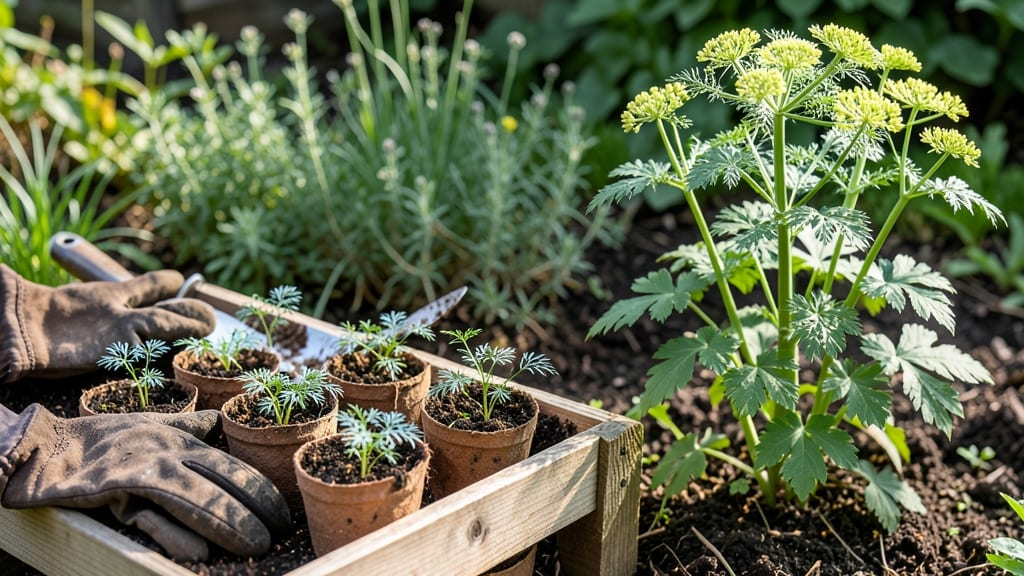
Planting dill at the wrong time in Florida can send your herb straight into bolting mode—turning your fresh 🌿 harvest into bitter seed stalks before you even know what hit you.
The key to avoiding this common mistake lies in choosing the right months, and Florida’s frost-free climate gives you more flexibility than you might think.
Most gardeners in zones 9a-11 get the best results by planting dill in early spring (February-March) or late summer (August-September), when temperatures stay mild enough to prevent premature flowering.
But with Florida’s year-round growing potential, even winter plantings can work if you’re strategic about shade and soil prep.
What you’ll discover here are the exact planting windows that keep your dill thriving, plus pro tips for container gardening in urban areas and companion plants that naturally delay bolting. Whether you’re growing for fresh leaves or seed harvests, these insights will help you maximize your yield without the frustration.
Ready to grow dill that stays lush and flavorful? Let’s dive into the most important months to plant—and what to watch for once those seeds hit the soil.
Best planting months for dill in Florida to prevent bolting
Florida’s year-round growing season makes dill a fantastic herb to cultivate, but timing is critical to avoid premature bolting. The key is planting when temperatures stay mild—typically between 60°F and 75°F.
In Florida’s heat, dill bolts quickly when exposed to consistent temperatures above 80°F, sending all energy into flowering instead of leaf growth. Understanding your region-specific climate ensures a bountiful harvest of feathery, flavorful leaves.
Northern Florida (Zones 8a-9a) has slightly cooler winters, allowing for earlier spring plantings and longer fall harvests. Central Florida (Zones 9b-10a) enjoys warm winters, so focus shifts to cool-season fall plantings and shade protection in summer.
Southern Florida (Zones 10b-11) can grow dill year-round, but summer heat still triggers bolting, so timing matters even in the tropics.
Bolting occurs when dill detects heat stress or long daylight, shifting from leaf production to seed development. To prevent this, I recommend planting during Florida’s two ideal windows: early spring (February-March) and late summer (August-September). These months offer cooler temperatures and shorter daylight, giving your dill the best chance to mature without bolting prematurely.
For Northern Florida gardeners, focus on February-March plantings to take advantage of cooler spring temperatures. By late March, daytime highs often exceed 80°F, increasing bolting risk. Similarly, August-September plantings align with fall cooling trends, giving your dill time to establish before winter.
In my Jacksonville garden, I’ve found that September-sown dill often produces leaves until November, while spring plantings bolt by May.
Central Florida’s warmer winters allow for January-February plantings, but I recommend starting seeds indoors in December to get a head start. The dry, hot summers (June-August) are the worst for bolting, so shade cloth or container gardening can help extend your growing window.
My Orlando plants in July-August often bolt within 3 weeks without protection, but August-sown dill thrives through fall.
Southern Florida’s tropical climate means dill can grow year-round, but summer heat still causes bolting. The best strategy here is to plant in September-October for cool fall growth or January-February to avoid the hottest months (June-August).
In Miami, I’ve successfully grown dill in shaded containers during summer, but it’s a short-lived harvest compared to cooler-season plantings.
If you miss the ideal planting windows, don’t despair—successive plantings every 2-3 weeks can provide a continuous harvest. For example, in Central Florida, I plant one batch in January and another in August, ensuring fresh dill from March through November.
This staggered approach works especially well for urban gardeners with limited space, as dill grows quickly and can be harvested multiple times before bolting.
One pro tip I’ve learned is to watch your dill’s leaves for signs of stress.
If the edges curl or yellow, it’s a sign of heat or drought stress, which can trigger bolting. Mulching with straw and watering deeply in the morning helps maintain even soil moisture, reducing stress. I also prune lower leaves regularly to encourage bushier growth and delay flowering.
For container gardening, which is ideal for small spaces or urban balconies, use 5-gallon pots with well-draining soil. Containers dry out faster, so water every 1-2 days during summer.
I’ve had great success with dill in hanging baskets near my south-facing patio, where it gets morning sun and afternoon shade—perfect for extending the growing season.
Remember, dill’s flavor peaks before bolting, so timing your
How to extend dill's growing season in Florida heat
Florida’s year-round warmth means dill can grow almost anytime—but extreme heat triggers bolting (premature flowering), ruining your harvest. The key to extending your dill’s life lies in strategic adjustments during peak summer months (June–August).
With the right techniques, you can push harvests into late fall or even winter, when temperatures cool.
Start by understanding that dill thrives in 60–75°F temperatures. When daytime highs exceed 85°F, stress signals the plant to bolt. My secret weapon? A combination of shade cloth, deep watering, and companion planting to create cooler, more stable growing conditions.
These methods aren’t just theory—I’ve used them in my Central Florida garden to harvest dill in November when most plants would have bolted by September.
- Use 30% shade cloth during 10 AM–3 PM to block peak sun and keep soil temps below 80°F. Secure it 2–3 feet above plants to avoid touching leaves.
- Water deeply twice weekly (1–2 gallons per plant) in early morning to encourage deep root growth. Mulch with 2–3 inches of straw to retain moisture.
- Plant near tall crops like tomatoes or corn to create natural shade. Avoid planting near carrots or onions, which compete for nutrients.
- Harvest leaves aggressively to delay flowering. Pinch off flower buds as soon as they appear—this redirects energy to leaf growth.
- Fertilize lightly with fish emulsion (5-5-5) in September to boost late-season growth without triggering heat stress.
For container gardeners, black plastic pots absorb and retain heat—swap them for terracotta or fabric grow bags to moderate soil temperatures. I’ve also had success with self-watering planters filled with 50% coconut coir to keep roots consistently moist. The goal is to mimic Florida’s spring-like conditions during summer’s peak.
If you’re planting in late summer (August–September), choose compact varieties like ‘Bouquet’ or ‘Fernleaf’—they bolt 2–3 weeks later than standard types. Pair them with low-growing companions like basil or thyme to create a microclimate that stays cooler and more humid.
Monitor your dill’s leaf color and stem firmness—wilting or yellowing signals heat stress. At the first sign, move pots to a shadier spot or trim back 20% of the foliage to reduce transpiration.
With these adjustments, I’ve extended my dill’s harvest window by 6–8 weeks beyond Florida’s typical April–May peak.
Remember: patience is key. Dill grown under these conditions may take 10–14 days longer to mature, but the trade-off is fresh leaves for months instead of a single bolting disaster.
Start small—test one technique at a time—and soon you’ll have homegrown dill year-round, even in Florida’s brutal summer heat.