
Plants
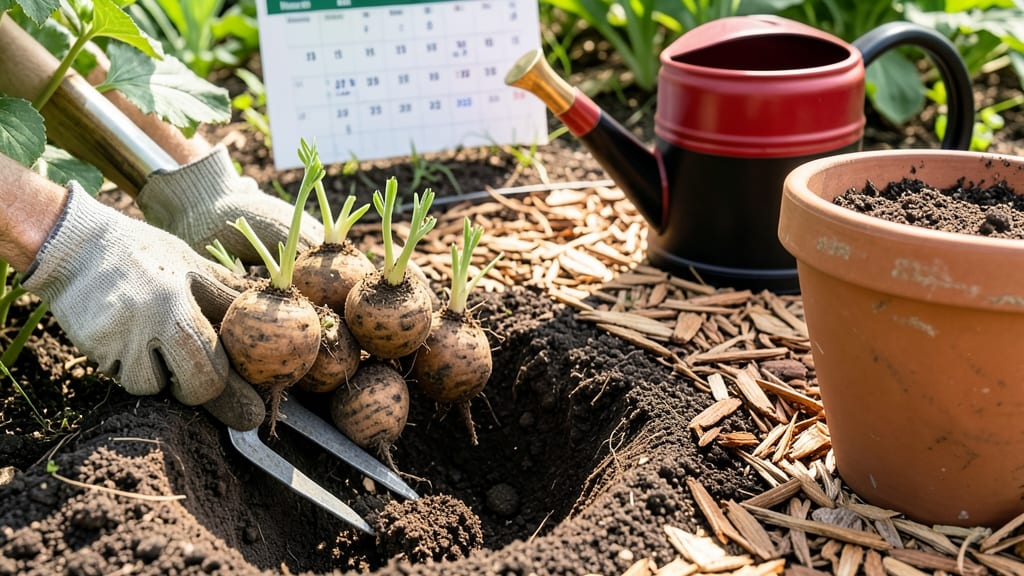
Planting dahlias in Zone 9b might seem tricky—no frost means no traditional "first frost" rules—but timing still makes all the difference for vibrant blooms.
If you wait too late, your 🌼 tubers can rot in the heat before they even sprout. Too early, and they’ll languish in cool soil, wasting precious energy.
The key is planting when soil temps hit 60°F—usually late February to early March—but microclimates in Phoenix or the desert can shift that window by weeks.
Here’s the game-changer: urban gardens near concrete heat up faster than rural areas, while coastal spots stay cooler longer. I’ll break down how to read your microclimate and adjust planting schedules so your dahlias thrive from spring to fall.
Skip the guesswork and learn exactly when—and how—to plant for zero-frost-risk blooms that last all season.
Optimal planting timing for dahlias in Zone 9b: avoiding frost and heat stress
Zone 9b gardeners enjoy year-round growing potential for dahlias—but timing is everything. Unlike colder zones, we don’t face frost threats, but heat stress and soil temperature fluctuations can still sabotage your dahlias if planted incorrectly.
The key is understanding when your soil warms consistently and how your microclimate (urban heat islands vs. rural cooler pockets) affects growth.
Most Zone 9b gardeners treat dahlias as annuals since tubers rarely survive our mild winters. However, with proper timing and care, you can extend their lifespan or even coax fall blooms before winter dormancy.
The ideal window focuses on soil temperatures between 60-70°F—when roots establish before summer’s intense heat arrives.
Comparison Table: Spring vs. Fall Planting in Zone 9b
For spring planting, aim for late February to early March when soil temperatures stabilize above 60°F. In urban areas like Phoenix or Los Angeles, concrete and asphalt create heat islands that warm soil faster—so you might plant 2-3 weeks earlier than rural areas.
Use a soil thermometer to confirm readiness; dahlias won’t thrive if planted in cold, damp soil.
Fall planting offers a second bloom cycle but requires precision. Plant late August to early September when soil cools slightly after summer’s peak.
Coastal Zone 9b areas (like San Diego) can extend this window until September 15, while inland deserts should plant by August 20 to avoid 100°F+ soil that scorches tubers. Always choose heat-tolerant varieties like 'Café au Lait' or 'Bishop' for fall success.
Your microclimate dictates success more than the calendar. Urban gardens with paved surfaces stay warmer—plant 1-2 weeks earlier. Rural areas with nighttime cooling may need to delay until soil stays warm 24/7.
Test your spot by burying a thermometer at 4-inch depth for 3 days; if temps dip below 55°F, wait longer.
Heat stress is the #1 enemy after planting. Dahlias planted in April or later often bolt to seed or develop blind stems (no flowers). To mitigate this, use 30% shade cloth for the first 2 weeks after planting.
Water deeply every 3-5 days to encourage root growth before summer’s intensity peaks. Mulch with straw or wood chips to keep soil temps stable.
Pro tip: Soak tubers overnight before planting to jumpstart growth. This is especially critical in Zone 9b’s dry climates where soil can dry out quickly. Plant tubers 4-6 inches deep with the eyes facing up—deeper planting helps insulate roots from afternoon heat.
Space them 12-18 inches apart (closer for dwarf varieties, wider for giant blooms).
Monitor your dahlias’ leaf color after planting: Yellowing leaves signal overwatering or root rot, while crispy edges mean underwatering or heat stress. Adjust your watering schedule based on actual plant signals, not just the calendar.
In Zone 9b’s dry heat, morning watering is non-negotiable—it prevents fungal issues and ensures roots absorb moisture before evaporation.
Remember: Dahlias in Zone 9b don’t need winter dormancy but benefit from light pruning in late fall to remove dead foliage. If you’re ambitious, you can dig up tubers, store them in cool, dry sand, and replant next spring for a fresh start.
But for most gardeners, treating them as annuals with perfect timing yields the most stunning, continuous blooms.
With these timing tricks, your dahlias will thrive year-round—no frost worries, no heat stress, just nonstop color from spring to fall. Happy planting! 🌼
Microclimate tricks to extend dahlias’ growing season in Zone 9b
In Zone 9b, where summer heat can be relentless and coastal winds unpredictable, creating the right microclimate for dahlias is your secret weapon. I’ve learned that even a few simple adjustments—like strategic shade placement or windbreaks—can turn a struggling dahlia into a year-round bloomer.
The key is mimicking their natural habitat while protecting them from extreme conditions.
First, let’s tackle the heat challenge. Dahlias thrive in 60-70°F soil temperatures, but Zone 9b summers often push soils to 85°F+. I use 30% shade cloth (like the Agribon AG30 from local nurseries) during peak afternoon sun to reduce stress without starving them of light.
This simple trick keeps foliage lush and blooms vibrant.
🌿 Microclimate Adjustments for Dahlias in Zone 9b
- 🌡️ Heat Zones: Plant near deciduous trees for natural shade that shifts with seasons
- 💧 Watering Hacks: Use drip irrigation with 3-gallon reservoirs to maintain soil moisture
- 🌬️ Wind Protection: Install bamboo windbreaks (6+ ft tall) for coastal gardens
- 🌱 Mulching: Apply 4-inch straw mulch to retain 60% more soil moisture
- ☀️ Sun Exposure: Start with morning sun only for first 2 weeks after transplanting
For coastal gardens, where salty winds and fog can wreak havoc, I’ve had success with living windbreaks. Fast-growing bamboo or willow stakes (available at Sunset Western Garden Centers) create a natural barrier while adding beauty.
Pair this with rainwater collection systems to avoid using tap water high in minerals that stress dahlias.
Don’t overlook the power of mulching. In my desert garden, I use straw mulch (not wood chips, which can compact) to keep soil temps stable. Pro tip: Apply mulch in a donut shape around plants to prevent rot while locking in moisture.
This method has extended my dahlias’ bloom season by 3-4 weeks in both spring and fall.
Even in urban microclimates, where pavement radiates heat, elevation matters. I plant dahlias in raised beds filled with coconut coir to improve drainage and reduce heat absorption. For container growers, choose fabric pots (like Smart Pots) to prevent root circling while allowing excess heat to escape.
Finally, remember that dahlias in Zone 9b can rebloom after summer dormancy if given the right conditions. By combining shade cloth, wind protection, and consistent moisture, you’ll transform your garden into a year-round dahlia paradise.
The effort pays off with longer stems and brighter blooms—worth every extra step!