
Plants
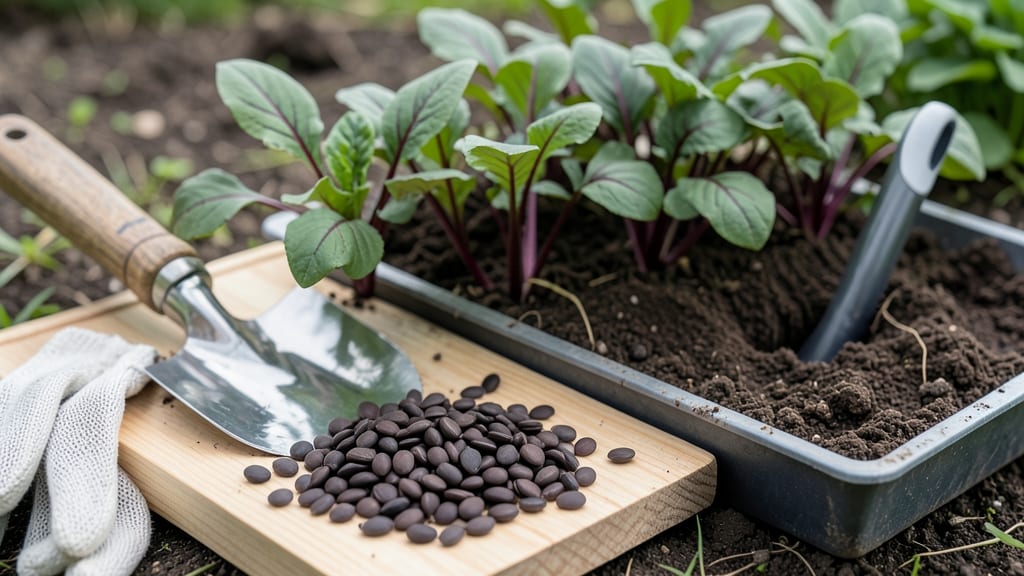
Planting beets in Central Florida’s 9a climate isn’t just about timing—it’s about dodging the brutal summer heat that turns sweet roots into bitter, woody failures. The key?
Sowing your 🍠 seeds during the coolest months—September through October for fall crops or February to March for spring—when soil temperatures stay below 75°F.
Most gardeners overlook how Florida’s microclimates (like Orlando’s humidity vs. Gainesville’s drier air) shift ideal planting windows. Too late in spring, and your beets bolt; too early in fall, and frost sneaks in.
I’ll break down the exact months to plant, plus which heat-tolerant varieties actually thrive here—no guesswork, just results.
You might assume beets need constant watering, but in Florida’s heat, overdoing it splits the roots. I’ll share the 3 biggest mistakes that kill yields—and how to avoid them—so you’re harvesting tender, juicy beets by November or May instead of struggling with stunted growth.
Ready to grow beets that actually taste sweet? Let’s dive into the perfect schedule for your Central Florida garden, from soil prep to harvest timing, so you can enjoy homegrown beets all season long.
Best planting months for beets in Central Florida’s climate Zones
Central Florida’s humid subtropical climate (USDA Zones 9a–10a) makes beet growing a seasonal challenge—too early, and the heat stresses seedlings; too late, and you miss the cool-season window.
The key is planting when soil temperatures drop below 85°F and daytime highs stay under 90°F, which aligns with fall and early spring for most varieties. Orlando, Tampa, and Gainesville each have slight microclimate differences, but the optimal window remains consistent across the region.
For fall harvests, aim to sow seeds 6–8 weeks before your first frost (typically mid-December in Central Florida). This means starting in late September to early October, when soil temperatures hover around 75–80°F—ideal for germination.
In spring, plant 4–6 weeks before last frost (usually mid-January), which translates to late February to early March. These timing adjustments prevent bolting (premature flowering) and ensure sweet, tender roots.
Here’s how Central Florida’s three major cities compare in terms of planting windows:
While fall planting is the gold standard for Central Florida, don’t overlook winter sowing in January. Beets are cold-hardy down to 25°F, but light frosts (30–32°F) can sweeten their flavor. Use row covers or plant in raised beds to protect seedlings if temperatures dip below 40°F.
Just avoid planting in summer (June–August)—the heat causes bolting and woody roots, ruining your harvest.
For successful germination, wait until soil temperatures drop to 70–75°F (use a soil thermometer to check). In Orlando’s heat, this usually happens by late September, while Gainesville’s cooler climate may allow August sowings in shaded beds.
If you’re impatient, try shade cloth over seedlings during 10 AM–4 PM to lower stress. Mulch with straw or grass clippings to retain moisture and stabilize soil temps.
Pro tip: Succession plant every 2–3 weeks from September through November to stagger harvests. This ensures a continuous supply of fresh beets without overwhelming your garden at once. For spring plantings, start seeds indoors in January and transplant outdoors in February to jumpstart growth.
Just be prepared to harden off seedlings gradually—Florida’s warm winters can shock tender young plants.
Watch for soil temperature spikes after rainy periods, which can delay germination. If your soil stays above 85°F for more than 3 days, seeds may rot before sprouting. In Tampa’s coastal humidity, this is especially critical—increase airflow around seedlings with light pruning of nearby foliage.
For Gainesville’s drier microclimate, prioritize even moisture by watering deeply at dawn to prevent crusting.
One common mistake is planting too late in spring (after March 15), when heat stress triggers bolting. Instead, focus on early spring and late fall windows. If you miss these, consider heat-tolerant varieties like ‘Boltardy’ or ‘Detroit Dark Red’, which handle short heat waves better than traditional types.
Pair them with drip irrigation to maintain consistent moisture
Heat-tolerant beet varieties that thrive in Florida’s summer heat
Central Florida’s summer heat can turn traditional beet varieties into tough, bitter roots—but the right heat-tolerant cultivars produce sweet, tender harvests even when temperatures soar. These varieties are bred to handle 90°F+ days without bolting or developing woody textures, making them perfect for fall and spring planting in Zones 9–10.
While classic varieties like ‘Detroit Dark Red’ struggle in prolonged heat, modern hybrids and heirlooms offer bolting resistance and disease tolerance. Below, compare the top 5 Florida-friendly beets, including their root size, flavor profile, and ability to withstand high humidity and fungal pressure.
| Variety | Root Size | Flavor Profile | Heat Tolerance | Disease Resistance |
|---|---|---|---|---|
| ‘Boltardy’ | Medium (2–3") | Sweet, earthy | Excellent (95°F+) | High (powdery mildew) |
| ‘Chioggia’ (Striped) | Small (1.5–2.5") | Mild, colorful rings | Good (up to 90°F) | Moderate (leaf spot) |
| ‘Crimson Globe’ | Large (3–4") | Rich, deep flavor | Moderate (bolts at 85°F) | Low (susceptible to rust) |
| ‘Detroit Dark Red’ | Large (3–4") | Earthy, robust | Poor (struggles above 80°F) | Moderate (leaf spot) |
| ‘Ruby Queen’ | Medium (2–3") | Sweet, tender | Excellent (90°F+) | High (powdery mildew) |
For summer planting in Central Florida, prioritize ‘Boltardy’ and ‘Ruby Queen’—both thrive in 90°F+ heat and resist powdery mildew, a common issue in Florida’s humid climate. If you prefer smaller roots for quick harvests, ‘Chioggia’ is a great choice, though it bolts faster in extreme heat.
Traditional varieties like ‘Detroit Dark Red’ and ‘Crimson Globe’ are better suited for fall or spring planting when temperatures dip below 85°F. Their larger roots are ideal for storage, but they risk bolting or cracking in summer’s intense heat.
To maximize yields, pair heat-tolerant varieties with shade cloth (30–50%) during peak afternoon sun and mulch to retain soil moisture. Avoid planting in June or July—even the toughest beets struggle when soil temps exceed 80°F.
Pro tip: Sow seeds ½ inch deep in well-draining soil with a balanced fertilizer (5-10-10) at planting. Thin seedlings to 3 inches apart to prevent overcrowding, which stresses plants in heat.