
Plants
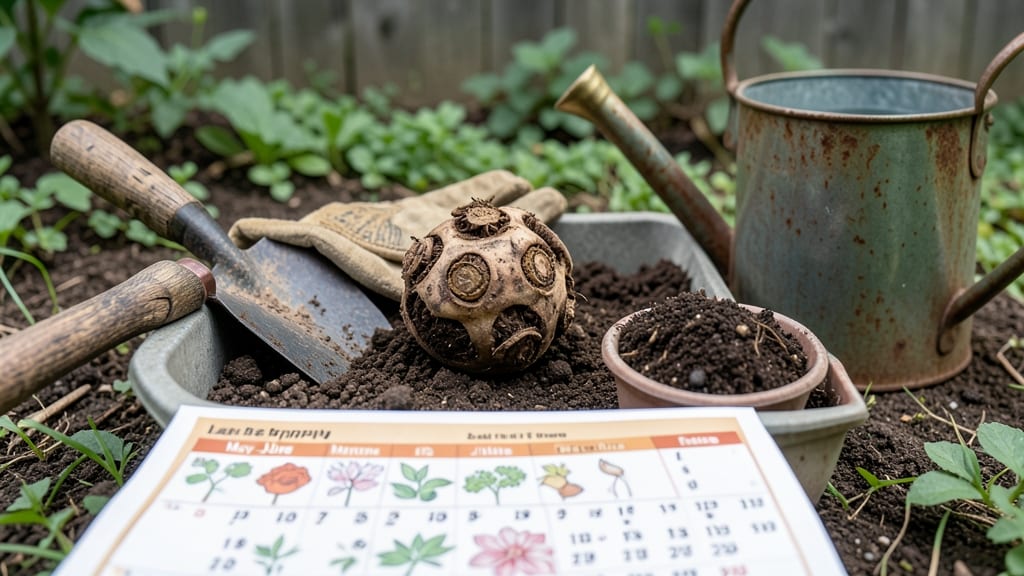
Planting dahlias in Zone 5 at the wrong time can turn your dream garden into a sad, frost-bitten mess—so timing isn’t just important, it’s the key to those showstopping 🌸 blooms you’re dreaming of.
Unlike hardy perennials, dahlias are frost-sensitive divas that need warm soil (at least 60°F) to thrive, which in Zone 5 usually means waiting until mid-April to mid-May—long after the last frost date.
But here’s the catch: rushing them into cold ground can stunt growth, while planting too late might cut your blooming season short.
I’ll break down exactly how to read your local frost dates, check soil temperatures, and prepare your dahlias for success—so you can enjoy vibrant blooms from July through October without the guesswork.
Whether you’re a first-time gardener or a seasoned pro, these practical tips will help you avoid common mistakes and get your dahlias off to the strongest start possible.
Zone 5 dahlias planting timeline: frost dates vs soil temperature rules
Dahlias are frost-sensitive divas that demand perfect timing in Zone 5. While last frost dates give us a starting point, soil temperature is the real game-changer—dahlias need consistently warm soil (60°F+) to thrive.
Planting too early in cold soil stunts growth, while waiting too long shortens your bloom season. Let's decode the science behind your exact planting window.
First, grab your USDA Plant Hardiness Zone Map and locate your specific Zone 5 sub-region (5a or 5b). These zones have different average last frost dates: April 15 for 5a and April 22 for 5b. But here's the catch: soil warms weeks after air temperatures rise.
That's why I always check soil thermometers—they tell the real story.
Why soil temperature matters: Dahlias' tubers need 60°F+ soil to activate growth. In my Zone 5b garden, soil hits this threshold 4-6 weeks after the last frost date. Using this rule, my ideal planting window shifts from mid-April to mid-May—not the calendar date most guides suggest.
| Zone 5 Planting Factor | Key Details | Your Action |
|---|---|---|
| Average Last Frost Date | Zone 5a: April 15 Zone 5b: April 22 |
Check local records—your date may vary by 1-2 weeks |
| Soil Temperature Threshold | 60°F (15.5°C) minimum | Use soil thermometer for 3+ days of consistent warmth |
| Ideal Planting Window | 4-6 weeks after last frost | For Zone 5b: May 1-15 (soil typically reaches 60°F) |
| Late Frost Risk Period | May 1-10 (Zone 5) | Have row covers ready for protection |
| Hardening Off Period | 2-3 weeks before planting | Expose tubers to gradual outdoor temps (start with 2 hours/day) |
Here's how I calculate my exact planting date: First, I note my historical last frost date (mine's April 28 in Zone 5b). Then I add 4-6 weeks to account for soil warming.
For 2024, my target became May 12—not April 28! To verify, I check real-time soil data from tools like Almanac's Garden Planner or my local Cooperative Extension Service.
Pro tip: If you're eager to start earlier, try container gardening. Pots warm up faster than garden beds, giving you a 2-3 week head start.
I've successfully planted dahlias in containers by early May in Zone 5b—just move them to the ground after Memorial Day when soil is reliably warm.
Don't overlook microclimates in your garden. South-facing beds warm 3-5 days faster than north-facing ones. I always plant my tallest dahlias in the warmest spot to give them maximum growing time. For cooler microclimates, consider black plastic mulch—it raises soil temps by 5-10°F in just days.
What if you miss the window? Don't panic. Dahlias planted in early June will still bloom—just expect smaller, later flowers. The key is to choose heat-tolerant varieties like 'Café au Lait' or 'Thomas Edison' when planting late.
These varieties handle warmer soil better than delicate types like 'Arabian Night'.
Remember this golden rule: Better late than early with dahlias. A few extra weeks of soil warming means stronger roots and bigger blooms all season. I've learned this the hard way—planting in April once resulted in stunted 2-foot plants that never recovered.
Now I wait for that 60°F soil confirmation every time.
For extra peace of mind, I set up a soil temperature alert system using a cheap digital thermometer buried 4 inches deep. When it hits 60°F for three consecutive days, I know it's go-time for dahlias. This method has given me consistent blooms from July through October—no more guessing games!
How to prepare dahlias for Zone 5's unpredictable spring weather
Zone 5's unpredictable spring weather can turn your dahlia dreams into frost-killed disappointments if you're not prepared. The key to success lies in extending your planting window with smart techniques that protect tender tubers and young shoots.
Even after the average last frost date of April 15, late frosts can still strike—especially in Zone 5a—so preparation is everything.
I've learned through trial and error that hardening off tubers and using protective covers can push your planting window by 2-4 weeks without risking damage. These methods give your dahlias a fighting chance even when Mother Nature throws curveballs.
The goal? Get those tubers in the ground when the soil hits 60°F—not when the air warms up.
- Place tubers in 50°F soil (use seedling trays with potting mix)
- Keep in bright, cool location (60-65°F) for 2 weeks
- Gradually increase temps to 60°F+ to mimic outdoor conditions
- Use black plastic mulch 1-2 weeks before planting
- Install soil warming cables for stubborn cold spots
- Target 60°F soil temp (use a soil thermometer)
- Use row covers or frost cloth for early plantings
- Choose low-growing varieties for better cover protection
- Plant 2-3 weeks after last frost if using protection
- Cover plants with burlap sacks when frost is forecasted
- Use cloche tunnels for overnight protection
- Monitor 5-day forecasts and prepare early
- Plant tubers 4-6 inches deep in well-draining soil
- Use sand or perlite to improve cold soil drainage
- Avoid planting in waterlogged areas that stay cold
One trick that's saved my dahlias year after year is planting in containers that I can move to a garage or sheltered spot during cold snaps. This gives me flexibility to protect them when late frosts hit—something that happens more often than official frost dates suggest in Zone 5.
I also swear by row covers during the day and removing them when temps rise above freezing at night.
Don't forget that soil temperature matters more than air temperature for dahlias. Even if the air is warm, cold soil will stunt growth. I always check soil temps with a digital thermometer before planting—60°F is the magic number.
If your soil is still cold, use black plastic mulch or soil warming cables to speed up the process.
If late frosts strike after you've already planted, act fast! Cover your dahlias with burlap sacks or frost cloth before sunset and remove them during the day. I've seen dahlias bounce back from 28°F temperatures when properly protected—though they'll need extra care to recover.
The key is consistent moisture and protection until new growth appears.
With these strategies, you can extend your planting window by 3-4 weeks in Zone 5 without sacrificing your dahlias' health. The extra effort now means bigger blooms and longer seasons—worth every minute of preparation! 🌸