
Plants
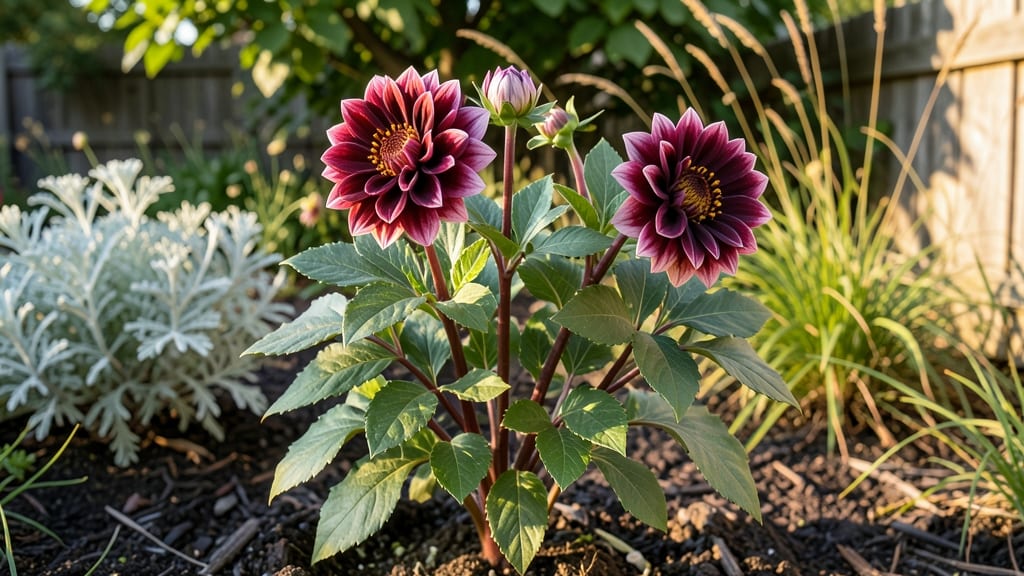
Planting dahlias in Georgia at the wrong time can mean the difference between a garden bursting with bold blooms and struggling plants that never reach their full potential. With the right timing, your 🌼 dahlias will thrive in Heat Zone 8a, delivering vibrant flowers from summer through fall.
Unlike cooler climates, Georgia’s warm springs mean you can’t rush into planting—waiting until after the last frost is critical. Most gardeners in 7b-8b zones plant between mid-April and mid-May, but there’s more to it than just dates.
Soil temperature and heat tolerance play a surprisingly big role in how well your tubers establish before summer’s intense heat arrives.
I’ll walk you through the exact window for planting, whether to start tubers indoors or go straight to the garden, and how to prep your soil for Georgia’s unique climate.
These small adjustments can mean the difference between weak stems and plants that grow tall and strong enough to support those showstopping blooms.
Ready to avoid common mistakes and get dahlias that wow all season? Let’s dive into the timing secrets that’ll have your garden looking like a pro’s showpiece by summer.
Best planting timeline for dahlias in Georgia’s heat Zone 8a
Georgia’s Heat Zone 8a offers a perfect climate for dahlias, but knowing the exact planting windows is key to avoiding frost damage or heat stress. The ideal time to plant dahlia tubers is after the last frost date, typically between mid-April and mid-May.
This timing ensures your tubers have enough warmth to sprout without risking cold snaps that could kill tender shoots.
Dahlias thrive in warm soil temperatures—wait until the ground reaches at least 60°F (15°C) before planting. In Georgia, this usually aligns with late April, but always check your local frost forecast to adjust for microclimates like the cooler Appalachian foothills or the hotter Atlanta metro area.
Summary table below breaks down the critical planting windows, soil conditions, and heat tolerance factors for Georgia gardeners:
| Stage | Action | Georgia-Specific Notes |
|---|---|---|
| Pre-Chitting (Feb-March) | Place tubers in bright, cool spot (60-65°F) | Accelerates growth for earlier blooms in Zone 8a |
| Soil Prep (Early April) | Amend soil with compost; ensure drainage | Georgia’s clay soils need organic matter |
| Planting Window (Mid-April-Mid-May) | Plant tubers 4-6" deep after last frost | Atlanta: Aim for May 1; North GA: April 20 |
| Heat Acclimation (Late May-June) | Mulch heavily to retain moisture | Critical for Georgia’s summer heat (90°F+) |
| Bloom Peak (July-Sept) | Deadhead spent blooms; fertilize monthly | Heat-tolerant varieties like 'Café au Lait' excel here |
Planting too early in Georgia risks frost damage—even late April can bring unexpected cold snaps in northern regions like Dalton. Conversely, waiting too long (after June) may result in stunted growth before the heat sets in.
The sweet spot is mid-April to mid-May when soil temps consistently stay above 60°F (15°C).
For container dahlias, adjust your timeline by 2-3 weeks earlier to account for slower soil warming. Containers heat up faster, so monitor soil temps closely—aim for 65°F (18°C) before planting. This is especially important in Georgia’s urban areas where pavement radiates heat, potentially stressing tubers.
Georgia’s microclimates play a huge role—coastal areas like Savannah can plant 1-2 weeks earlier than inland cities like Macon. Use a soil thermometer to verify readiness rather than relying solely on calendar dates.
I’ve seen dahlias planted in early April thrive in Savannah while the same tubers failed in Athens due to late frosts.
If you’re considering fall planting for winter blooms, note that dahlias need at least 90 days of warm weather to establish roots. In Zone 8a, this means planting no later than early August—but blooms will be limited compared to spring plantings.
Focus on heat-tolerant varieties like 'Bishop' or 'Thomas Edison' for better success.
Pro tip: Mark your calendar for Georgia’s average first frost (Nov 15) and plan to dig up tubers 2-3 weeks before. This gives you time to cure and store them indoors for next year’s garden.
In milder microclimates (e.g., near the coast), you might extend blooms until December with row covers.
For maximum bloom potential, pair your planting timeline with consistent watering (1-2 gallons per plant) and morning sunlight exposure. Dahlias in Georgia’s heat zone reward precise timing with vibrant, long-lasting blooms from summer through fall.
How to prepare dahlia tubers for Georgia’s spring planting
Preparing dahlia tubers for Georgia’s spring planting is all about timing and technique. Since we’re in Heat Zone 8a, where soil warms quickly, you’ll want to avoid planting too early—rot risk spikes when tubers sit in cold, damp soil.
The key is to chit tubers indoors 4-6 weeks before your last frost date (usually mid-March for most of Georgia), then harden them off before transplanting.
Start by inspecting your tubers for any shriveled or mushy spots, which signal rot. Healthy tubers should feel firm with visible eyes (growth buds). Cut away any damaged areas with a clean knife, then let them dry for a day or two to prevent infection.
This prep step is critical—diseased tubers can ruin your entire planting season before it begins.
Step-by-Step Dahlia Tubers Prep for Georgia
-
Step 1: Chit Tubers Indoors
Place tubers in a bright, warm spot (65-70°F) with eyes facing up. Use a tray with damp peat moss or vermiculite to encourage sprouting. Roots will form in 2-3 weeks. -
Step 2: Harden Off Sprouted Tubers
Move trays outdoors to partial shade for 1 week, gradually increasing sun exposure. This acclimates roots to Georgia’s heat before full transplant. -
Step 3: Choose the Right Spot
Select a full-sun location (6+ hours daily) with well-draining soil. Amend heavy clay with compost to prevent waterlogging—dahlias hate soggy roots. -
Step 4: Plant After Last Frost
Bury tubers 4-6 inches deep, spacing them 12-18 inches apart. Water deeply to settle soil, then mulch with 2-3 inches of straw to retain moisture. -
Step 5: Fertilize Lightly
Apply a balanced 5-10-10 fertilizer 2 weeks after planting. Avoid over-fertilizing—too much nitrogen leads to leafy growth but fewer blooms.
One common mistake Georgia gardeners make is planting tubers too shallow. If buried less than 4 inches, tubers can overheat in summer or dry out. Another pitfall is skipping the hardening-off process—shocked plants wilt quickly in our intense sun.
I’ve seen dahlias recover from early planting, but they’ll always play catch-up on blooms.
For container gardening, use large pots (12+ inches deep) with drainage holes. Fill with a mix of potting soil and perlite to mimic well-draining garden beds.
Containers dry out faster, so check moisture daily during Georgia’s hot, dry spells. A self-watering system can save you time and keep roots happy.
Once planted, dahlias need consistent watering—especially in Heat Zone 8a’s summer heat. Aim for 1-2 gallons per plant every 2-3 days, always in the morning to reduce fungal risks. Stake tall varieties early (like ‘Café au Lait’) to prevent flopping in wind or rain.
With these steps, your dahlias will reward you with bold blooms from July through frost.
Pro tip: Mark your planting date on a calendar. In Georgia, dahlias planted by mid-May still have time to establish before summer’s peak heat arrives. Late plantings may struggle, but with proper care, even June plantings can produce flowers—just expect smaller blooms.