
Plants
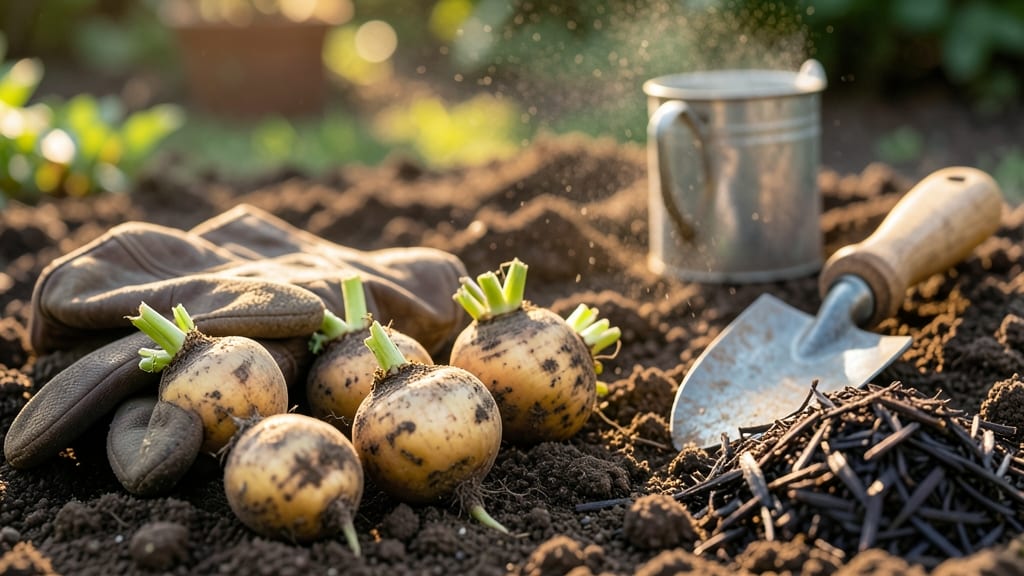
Planting dahlias in California might seem straightforward, but getting the timing right can mean the difference between vibrant summer blooms and struggling tubers. With coastal fog delaying warm soil and inland deserts heating up early, the perfect window varies wildly—sometimes by months—depending on where you live.
If you're in foggy coastal areas like San Francisco, wait until March or April when soil temperatures finally hit 60°F and frost risk is nonexistent.
But inland gardeners in the Central Valley or desert regions can start as early as February, giving their dahlias a head start before summer heat arrives.
I’ve learned the hard way that planting too soon in cool soil stunts growth, while waiting too long cuts your blooming season short. The key is balancing soil warmth with your local microclimate—whether that’s coastal chill or desert heat.
Let’s break down exactly when and how to plant for zero-frost success and a garden full of 🌼.
Once you’ve nailed the timing, the next steps—like chitting tubers indoors or prepping soil—make all the difference. I’ll walk you through the full process so your dahlias thrive from the first warm day to your first harvest-ready bloom.
California microclimate planting zones for dahlias: coastal vs. desert timing
California’s microclimates create unique challenges for dahlia growers. While coastal areas like San Francisco enjoy mild winters, desert regions such as Palm Springs experience early warming. Understanding these differences ensures your dahlia tubers thrive. The key? Planting when soil temperatures reach 60°F and frost risk is negligible.
In most of California, frost-free dates vary dramatically. Coastal areas rarely face frost, while inland valleys and deserts warm up faster. For example, Los Angeles (Zone 10) can plant as early as February, while Sacramento (Zone 9) waits until mid-March.
Desert regions like Yuma may even start in January if nights stay above 45°F.
Soil temperature is your best gauge. Use a soil thermometer to confirm readiness. Dahlias won’t sprout until soil hits 60°F, and tubers may rot if planted too early. In cooler coastal zones, wait until late March or April—even if air temperatures feel warm.
| Region | USDA Zone | Optimal Planting Window | Soil Temp Requirement | Key Consideration |
|---|---|---|---|---|
| Coastal (San Francisco, Santa Barbara) | 10 | Late March - Early May | 60°F+ | Fog delays warming; test soil weekly |
| Central Valley (Sacramento, Fresno) | 9 | Mid-March - Mid-April | 60°F+ | Warmer days, cooler nights; mulch helps |
| Desert (Palm Springs, Yuma) | 10-11 | January - February | 55°F+ | Early planting risks heat stress; shade cloth recommended |
| High Altitude (Lake Tahoe Foothills) | 7-8 | Late April - May | 65°F+ | Late frosts possible; use row covers |
For coastal gardeners, late March is ideal. The Pacific Ocean breeze keeps nights cool, but soil warms sufficiently by then. In San Diego, you might even start in February if you use black plastic mulch to raise soil temperatures.
Always check local frost dates—even coastal areas can experience light frosts in December or January.
Inland Central Valley regions like Modesto benefit from planting in mid-March. The San Joaquin Valley warms quickly, but nights can still dip below 50°F. Use straw mulch to protect tubers until roots establish.
Desert areas like Coachella Valley can plant as early as January, but be cautious—extreme heat in summer can stress dahlias. Plant in partial shade if possible.
Soil preparation is critical. Dahlias prefer well-draining soil with a pH of 6.5-7.0. Amend heavy clay soils with compost or sand. In desert regions, mix in organic matter to retain moisture. Coastal gardeners should ensure good drainage to prevent root rot from frequent fog drip.
If you’re unsure about your local microclimate, observe your garden’s behavior. Dahlias planted too early may rot in cold soil, while those planted too late miss peak blooming season.
Aim for 6-8 weeks before your first expected frost—though California’s frost-free growing season is long, high-altitude areas like Eagle Lake may need adjustments.
Pro tip: Chit your tubers before planting. Place them in a bright, cool spot (around 60°F) for 2-3 weeks to encourage root growth. This gives your dahlias a head start, especially in cooler coastal zones where the growing season starts later.
Remember, dahlias are heat-loving plants. Once established, they’ll thrive in full sun and consistent moisture. With the right planting timing, you’ll enjoy vibrant blooms from July through October, regardless of whether you’re in foggy San Francisco or sunbaked Palm Springs.
Step-by-step pre-planting preparation for dahlias in California’s climate
California’s erratic frost patterns and diverse microclimates demand careful pre-planting prep for dahlias. Unlike frost-prone regions, our mild winters and sudden heat spikes can still stress tubers if you skip key steps.
I’ve planted dahlias in both coastal San Diego and inland Sacramento—here’s what I’ve learned to ensure robust growth.
First, test your soil using a pH kit (ideal range: 6.0-7.0). Dahlias thrive in well-draining, slightly acidic soil. If your soil is too alkaline, mix in sulfur or peat moss to adjust.
I once planted mine in clay-heavy soil without amending it, and the tubers rotted—don’t make that mistake!
Chitting tubers is a game-changer for California gardeners. Place your dahlia tubers in a tray with the eyes facing up and partially buried in moist perlite or vermiculite. Keep them in a warm, bright spot (around 60-65°F) for 4-6 weeks before planting. This jumpstarts growth and gives you a 2-3 week head start on the season.
For urban gardeners with limited space, container gardening is a fantastic option. Use 15-gallon pots with a mix of potting soil, perlite, and compost to ensure drainage. I’ve grown dwarf varieties like ‘Mignon’ in balcony planters with stunning results—just be sure to water consistently since containers dry out faster.
Even in California’s frost-free zones, unexpected cold snaps can occur. Protect your newly planted tubers with floating row covers or a thick layer of straw mulch. In desert areas, use black plastic mulch to warm the soil and speed up growth.
I once lost a batch of dahlias in the Central Valley because I didn’t mulch—don’t skip this step!
Finally, stake or cage your dahlias at planting time to avoid flopping stems later. Tall varieties like ‘Café au Lait’ can reach 6 feet, so support is a must.
Water deeply after planting to encourage root establishment, and avoid overhead watering to prevent fungal diseases like powdery mildew.