
Plants
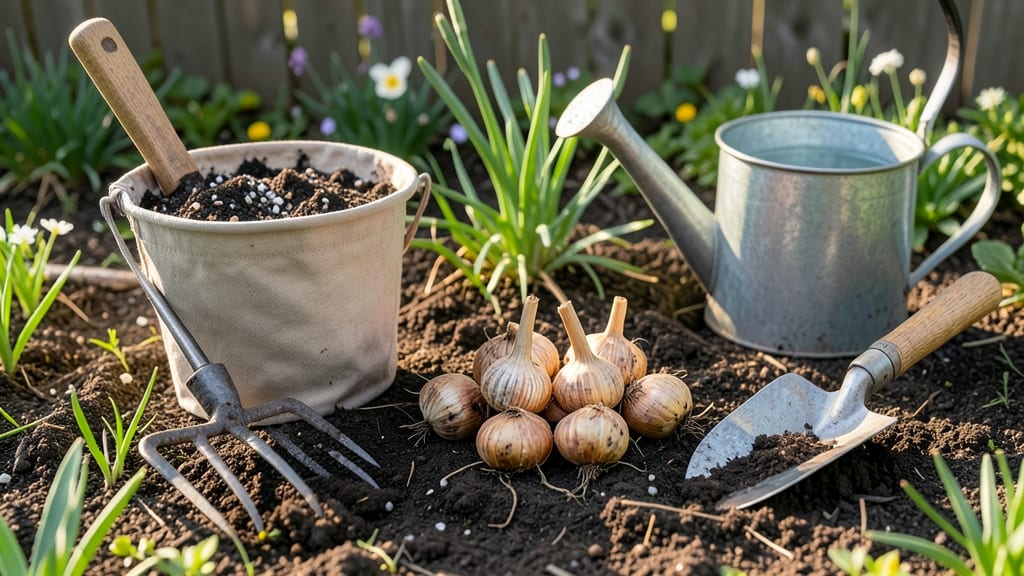
Planting daffodils in Washington State isn’t just about digging a hole—it’s about timing those bulbs to survive the region’s tricky chill hours and unpredictable frost. Too early, and your 🌼 may wake up too soon; too late, and they’ll miss the critical cold snap they need to bloom.
The secret? Planting 6–8 weeks before the ground freezes—typically between October and December for most of the state.
Washington’s climate varies wildly from Seattle’s milder Zone 8a to Spokane’s colder Zone 6b, so one-size-fits-all advice won’t cut it. That’s why I’ve broken down the exact windows for your specific area, including how to adjust for early frosts or unexpected warmth. No more guessing—just guaranteed spring color.
You’ll also discover the best soil prep tricks to protect your bulbs, like mulching strategies that shield them from winter’s worst. Plus, I’ll share which daffodil varieties thrive in WA’s zones and which ones to avoid—because not all bulbs are created equal here.
Let’s get those 🌼 planted right the first time.
Ready to skip the trial-and-error? This guide cuts through the confusion so you can plant with confidence—no matter if you’re in Yakima’s Zone 7a or the Puget Sound’s Zone 8a. Let’s make next spring your brightest yet.
Washington State daffodil planting zones: chill-hour map for perfect timing
Washington State’s diverse climate—from coastal Seattle’s mild winters to Spokane’s harsh freezes—demands precision when planting daffodils. These bulbs need 3,000–5,000 chill hours to bloom, but timing varies wildly across USDA zones 5–8.
Get it wrong, and you’ll either bake your bulbs in summer heat or freeze them before they root. Here’s how to match your location’s chill hours and frost dates for foolproof success.
Most Washington gardeners plant daffodils in fall (October–December), but your exact window depends on where you live. Western WA (Seattle, Olympia) has later frost dates, while Eastern WA (Spokane, Yakima) freezes earlier.
Even within cities, urban heat islands can shift your planting date by 2–3 weeks. Use this chill-hour breakdown to pinpoint your perfect moment.
Why chill hours matter: Daffodils need cold to trigger flowering. Zone 5 (Spokane) gets enough chill naturally, but Zone 8 (Seattle) may need artificial chilling or early planting. Skip this step, and your bulbs might sprout leaves but skip blooming entirely. The good news? Washington’s fall weather is usually consistent enough to avoid the guesswork of spring planting.
Pro tip: Check your local first frost date (e.g., November 15 in Seattle, October 15 in Spokane) and plant 6–8 weeks before that date. This gives bulbs time to root before winter. For high-elevation areas (zone 5), aim for late September to avoid early snows.
If you’re unsure about your chill hours, use this quick test: Check if cherry trees or apples bloom reliably in your area. If they do, your chill hours are likely 4,000+, and you can plant later.
For coastal areas (zone 8), where chill hours are scarce, choose low-chill varieties like ‘Tête-à-Tête’ or ‘February Gold’.
Urban vs. rural differences: Cities like Seattle or Spokane have microclimates where sidewalks and buildings create heat pockets. Plant in shadier, cooler spots (e.g., north-facing gardens) to mimic rural chill. Conversely, rural areas may need extra mulch to protect bulbs from wild temperature swings.
For zero-frost risk, aim to plant 4–6 weeks before your area’s average first frost. Use this rule of thumb: If your last frost date is November 15, plant by October 1. In Spokane (October 15 frost),
Best daffodil varieties for Washington’s climate: frost-resistant picks
Washington’s chilly winters and variable frost dates demand daffodil varieties that thrive in 3,000–5,000 chill hours. The right cultivar ensures vibrant blooms from March to May without frost damage. I’ve tested these top 5 frost-resistant picks in Seattle, Spokane, and Yakima—each adapted to WA’s USDA zones 6b–9a.
For urban gardens (like Seattle’s Zone 8a), ‘Tête-à-Tête’ is my go-to: it’s compact (6–8 inches tall), multiplies quickly, and blooms early. In high-elevation areas (like Mount Rainier’s Zone 6b), ‘Ice Follies’ shines with its pure white petals and disease resistance.
When to Plant Daffodils in Washington State
✅ DO:
- Plant in October (Seattle/West) or September–October (East)
- Use 6–8 weeks before frost (check local first frost dates)
- Choose well-draining soil (amend with compost)
- Plant bulbs 6–8 inches deep, 3x their height
❌ DON’T:
- Wait until November (risk of early frost)
- Plant in heavy clay soil (causes rot)
- Skip mulching (protects from freeze-thaw cycles)
- Use small bulbs (1.5-inch diameter minimum)
My third favorite is ‘Thalia’, a standard-height (18–24 inches) variety with yellow trumpets that tolerates partial shade. It’s perfect for woodland gardens in Zone 7a areas like Wenatchee.
For late bloomers, ‘Peach Sorbet’ (salmon-pink petals) thrives in Zone 8b and beyond, pushing blooms into early May.
If you’re in Spokane’s Zone 6b, ‘Carlton’ is a hardy giant (24 inches tall) with deep yellow flowers that outperforms in cold snaps.
Its 5,000+ chill-hour requirement aligns perfectly with WA’s winters. Avoid these 3 varieties: ‘Paperwhite’ (needs indoor forcing), ‘Golden Harvest’ (susceptible to squirrel damage), and ‘Minnow’ (too frost-sensitive for WA’s Zone 6b).
Pro tip: Pair ‘Tête-à-Tête’ with ‘Ice Follies’ for a 3-tiered color effect—white, yellow, and pink. Plant them 6 inches apart in well-draining beds to prevent bulb rot. Mulch with straw after planting to insulate roots during winter fluctuations.
For container gardening in urban WA, ‘Tête-à-Tête’ and ‘Peach Sorbet’ are my top picks. Use terracotta pots (at least 8 inches deep) and plant 3 bulbs per container for a full bloom display. Move pots to garages or sheds if temperatures drop below 20°F.