
Plants
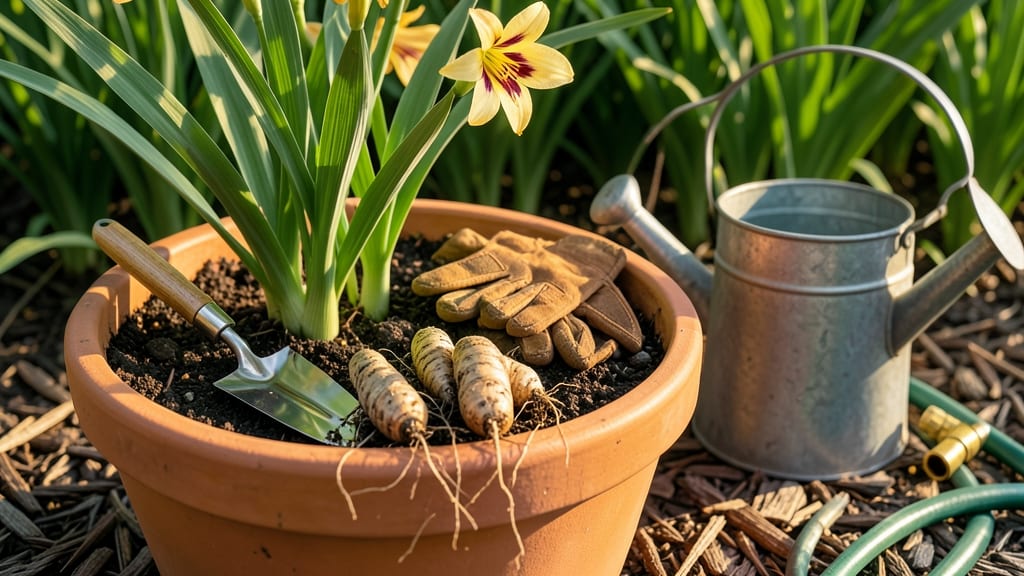
Planting daylily bulbs in Zone 9 at the wrong time can mean the difference between vibrant 🌸 blooms and struggling plants that never take root. Unlike frost-sensitive zones, your timing here hinges on heat and moisture balance—not cold snaps.
The key is understanding when soil temperatures and rainfall align to give your daylilies the best shot at thriving.
Most gardeners in Zone 9 swear by fall planting (September through November) as the gold standard. This window lets bulbs establish roots before summer’s heat peaks, giving them a head start.
But what if you missed that boat? Don’t panic—spring planting (March or early April) still works, though it requires extra care to keep soil moist during the hotter months ahead.
Here’s the game-changer: soil temperature matters more than calendar dates. Aim for 60-70°F soil temps when planting—too hot, and roots will fry; too cool, and growth stalls. I’ll show you how to check this and adjust your schedule for your specific Zone 9 microclimate, whether you’re coastal or inland.
Ready to avoid the most common mistakes? We’ll cover everything from soil prep to post-planting care, so your daylilies not only survive but thrive—with fewer wilting leaves and more stunning summer blooms. Let’s get those rhizomes in the ground the right way.
Optimal planting months for daylily bulbs in Zone 9: a science-backed timeline
First, let’s clear up a common misconception: daylilies aren’t true bulbs—they’re rhizomes, thick underground stems that store nutrients. In Zone 9’s warm climate, timing your planting is critical to avoid either heat stress or poor root establishment.
The ideal window balances soil temperatures (below 80°F but above 60°F) and rainfall patterns to give rhizomes the best chance to thrive.
Most Zone 9 gardeners swear by fall planting (late August through November), but spring planting (February–March) works too—with a few key tradeoffs. Coastal areas with milder winters can plant slightly later, while inland regions should aim for cooler months to avoid summer’s intensity.
Let’s break down the science-backed timeline for maximum success.
Soil temperature is your #1 guidepost. Daylily rhizomes need soil temps between 60°F and 75°F for root growth. Inland Zone 9 areas hit these temps in late September to early November, while coastal zones may extend planting until mid-December. Use a soil thermometer to confirm—this small tool can save you from costly mistakes.
Here’s the golden planting window for Zone 9, tailored to your microclimate:
Planting in late August or early September is risky in inland Zone 9 because soil temps often exceed 80°F, causing rhizomes to overheat and rot. However, if you must plant early, choose a shaded spot and water deeply every 2–3 days to keep soil cool.
Coastal gardeners have a slight advantage here due to milder summer nights and higher humidity.
For peak success, aim for October or November. This window ensures rhizomes establish roots before summer’s heat arrives. Inland areas should prioritize early October, while coastal zones can extend planting until mid-November.
The tradeoff? Later plantings may bloom slightly later the following year, but the root system will be stronger and more drought-resistant.
Spring planting (February–March) is a viable alternative, especially if you missed the fall window. Rhizomes planted in spring bloom faster but may produce smaller flowers the first year. To maximize spring success, pre-soak rhizomes for 24 hours before planting and mulch heavily to retain moisture.
Avoid planting after mid-April, as summer’s intensity will stress newly planted rhizomes.
One critical mistake Zone 9 gardeners make is ignoring moisture levels after planting. Daylilies need consistent soil moisture for the first 4–6 weeks post-planting. In summer’s heat, this means deep watering 2–3 times per week until roots establish.
Use a moisture meter to check—soil should stay evenly damp but not soggy. Overwatering is just as harmful as underwatering in this climate.
Pro tip: Mulch with 2–3 inches of organic matter (like shredded bark or straw) immediately after planting. This retains moisture, regulates soil temperature, and suppresses weeds—three major benefits in Zone 9’s challenging growing conditions.
Reapply mulch in early spring to protect new growth from late-winter heat spikes.
If you’re unsure about your local microclimate, observe nearby mature daylilies in your area. Their bloom times and foliage health will give you clues about the best planting window for your specific conditions.
For example, if you see daylilies blooming in June, their rhizomes likely established roots in the fall—a sign that October planting works well in your area.
How to prepare daylily bulbs for Zone 9’s heat: pre-planting checklist
Daylilies thrive in Zone 9’s warmth, but their rhizomes (not true bulbs) need smart prep to avoid heat stress or fungal rot. Unlike cooler zones, Zone 9’s consistent heat means skipping traditional chilling—your rhizomes are already adapted.
The key? Moisture control, soil amendments, and timing to beat summer’s intensity.
First, test your soil’s drainage. Daylilies hate soggy roots, so amend heavy clay with organic matter like compost or sand. For sandy soils, mix in peat moss to retain moisture.
Aim for a pH between 6.0–7.0—Zone 9’s alkaline soils often need sulfur or pine needles to acidify slightly.
Now, let’s tackle the organic vs. synthetic soil booster debate. Your choice depends on your garden’s needs—here’s the breakdown:
Organic Soil Boosters
Pros
- 🌱 Improves soil structure long-term
- 💧 Enhances moisture retention
- 🐛 Boosts beneficial microbes
Cons
- ⏳ Slower nutrient release
- 🌡️ May decompose too quickly in heat
Synthetic Soil Boosters
Pros
- ⚡ Fast nutrient availability
- 🔥 Heat-resistant formulations
Cons
- 🌱 No soil structure improvement
- 💧 Can leach nutrients quickly
For Zone 9, I recommend a hybrid approach: mix compost (organic) with a slow-release fertilizer (synthetic) like Osmocote. This gives rhizomes immediate energy while improving soil health. Mulch heavily with straw or wood chips to lock in moisture and regulate soil temps.
Watering is where Zone 9 gardeners trip up. Deep, infrequent watering beats shallow daily doses—aim for 1–1.5 inches per week, delivered in the early morning to prevent fungal growth. Install a drip irrigation system to avoid wetting foliage, which invites powdery mildew in the heat.
Finally, avoid planting in August—the peak heat can shock rhizomes. Stick to September–October for fall planting or March–April in spring. If you’re transplanting established daylilies, do it on a cloudy day to reduce transplant shock from Zone 9’s intense sunlight.
With these steps, your daylilies will establish strong roots before summer’s worst heat hits. Patience pays off—healthy rhizomes mean vibrant blooms from June through August. 🌸