
Plants
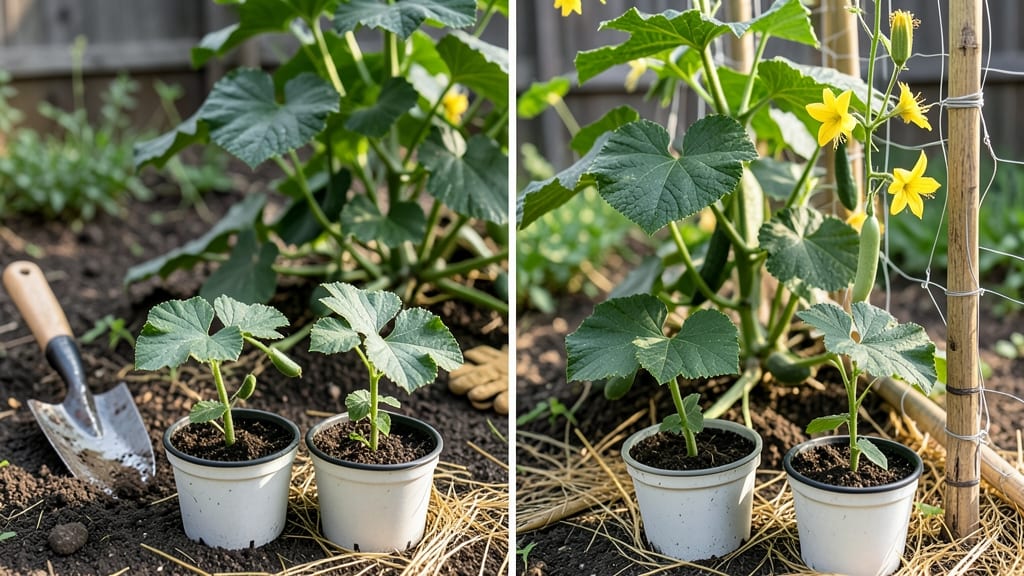
Timing your cucumber 🥒 planting in North Carolina can mean the difference between a bumper crop and a wasted season—because one late frost can wipe out your garden before you even see a vine.
The key lies in knowing your exact county’s frost-free date, which varies wildly from the cooler Mountains to the humid Coastal Plain, where summer heat arrives earlier than you’d expect.
Most gardeners in Zones 7a-8b rush to plant too soon, only to lose their seedlings to a surprise frost. The real secret?
Waiting until April 15-May 15 for spring plantings—or locking in a fall harvest by seeding between July 1-August 1—when soil temperatures hit that sweet spot of 60°F.
I’ll break down the exact planting windows for your county, plus pro tips to stretch your growing season—like using black plastic mulch to warm the soil faster or choosing heat-tolerant varieties that thrive in NC’s sweltering summers.
Skip the guesswork and get ready for a garden full of crisp, homegrown cucumbers.
Whether you’re in the Piedmont’s rolling hills or the Coastal Plain’s flatlands, these timing tricks will help you avoid the most common mistakes and maximize your harvest. Let’s get those seeds in the ground at the perfect moment.
North Carolina cucumber planting deadlines by county Zone (frost-free date map)
North Carolina’s cucumber growing season hinges on last frost dates, which shift dramatically from the Blue Ridge Mountains to the Coastal Plain. In Zone 5b (western NC), frosts linger until April 20-30, while Zone 8a (coastal areas) sees final frosts by March 1-15.
This 30-day difference means your planting timeline must adapt—or risk losing your crop to overnight freezes.
For zero-frost survival, aim to plant cucumbers 2-3 weeks after your county’s average last frost date. Most NC gardeners succeed by starting seeds indoors 4-6 weeks before the outdoor window opens.
Coastal gardeners can push planting to February 15 in some areas, while mountain gardeners should wait until May 1 or later for safety.
Here’s how NC’s three regions break down:
My top recommendation for NC gardeners? Use the NC State Extension’s interactive frost map to pinpoint your exact county’s deadline. For example, Asheville (Zone 6a) typically plants by May 5, while Wilmington (Zone 8a) can start as early as March 1.
This 6-week difference explains why many gardeners fail—assuming a one-size-fits-all approach.
For mountain gardeners, prioritize cold-tolerant varieties like 'Straight Eight' or 'Northern Pickling'. These handle 50°F night temps better than heat-loving types. In the Coastal Plain, opt for heat-resistant varieties such as 'Southern Crystal' or 'SuYo Long' to survive 90°F+ days without bolting.
Pro tip: Soil temperature matters more than air temperature. Use a soil thermometer to confirm 60°F+ before planting—cold soil delays germination by 3-5 days. In Zone 6a, this often means waiting until May 15 even if frost risk has passed.
Don’t forget about fall planting! July 1-August 1 is your window for a second harvest before first frost. In Zone 7a, aim for varieties that mature in 55 days or less to beat the November 15 average frost date.
My go-to for fall? 'Diva' or 'Lemon Cucumber'—both thrive in shorter seasons.
Microclimates complicate things further. A south-facing slope in the Piedmont might warm up 2 weeks earlier than a north-facing valley. Similarly, urban gardens (like Raleigh) can plant 7-10 days earlier than rural areas due to the heat island effect.
Always scout your yard for frost pockets—low areas collect cold air and delay safe planting.
For container growers, adjust timelines by 1-2 weeks later than in-ground planting. Pots cool faster at night, mimicking Zone 5 conditions even in Zone 7. If you’re using containers, start seeds indoors by April 1 (regardless of zone) to ensure they’re ready for late-May transplanting.
Finally, track your local historical frost dates for the past 5 years—climate change is shifting NC’s frost patterns. For instance, Charlotte’s last frost now averages March 22 (vs. March 30 in the 1980s). Use this data to shift your planting window 3-5 days earlier each decade.
How to extend your cucumber growing season in north Carolina’s risk zones
North Carolina’s Zones 5b-6a—think Asheville, Boone, and the western Piedmont—present unique challenges for cucumber growers. Late spring frosts can strike as late as May 15, while early fall frosts may arrive by October 15, cutting your harvest short if you’re not prepared.
The key to success lies in strategic timing, cold-hardy varieties, and season-extending tools that shield tender vines from temperature swings.
For gardeners in these risk zones, the difference between a bountiful harvest and a failed crop often comes down to two critical factors: soil temperature and protective measures.
Cucumbers thrive when soil reaches 60°F or warmer, but in the Mountains and Piedmont, cool nights can delay warming for weeks. Meanwhile, a single 28°F frost can destroy unprotected plants overnight. The solution?
A multi-layered approach combining early planting, row covers, and soil warming to create a microclimate that mimics summer conditions.
Here’s the game plan: Start with cold-tolerant varieties like ‘Straight Eight’ or ‘Northern Pickling,’ which can handle cooler soils better than heat-loving hybrids. Pair these with black plastic mulch or soil warmers to jumpstart growth, then use floating row covers to shield young plants from late frosts.
For a second harvest, plan to transplant new seedlings in late July—just as the first crop matures—using the same protective measures to extend the season into early October.
- 🌱 Biodegradable: No plastic waste
- 🌿 Improves soil: Adds organic matter
- 💧 Retains moisture: Reduces watering needs
- ⏱️ Slower warming: Takes 2-3 weeks to heat soil
- 💰 Higher cost: $0.50–$1.00 per sq ft
- 🌱 Breaks down: Needs replacing yearly
- ⚡ Fast heating: Warms soil in 1-2 days
- 💰 Affordable: $0.10–$0.30 per sq ft
- 🔄 Reusable: Lasts 3-5 seasons
- 🌱 Non-biodegradable: Plastic waste
- 🌡️ No soil benefits: Doesn’t improve fertility
- 🔥 Can overheat: Risk of burning roots
When it comes to soil warming, organic options like straw mulch or compost are my top recommendations for gardeners prioritizing sustainability. These materials not only raise soil temperatures by 5-10°F but also improve soil structure over time.
However, if you’re racing against a late frost, synthetic black plastic or infrared film will heat soil faster—critical for getting seeds to germinate in Zone 5b’s cooler springs. Pro tip: Combine both methods for best results.
Lay down plastic first to warm the soil, then top with straw to retain moisture and deter weeds.
For row covers, lightweight floating fabric (like Reemay) is my go-to choice. It allows 90% sunlight penetration while blocking wind and frost. Install covers as soon as seedlings emerge and remove them when daytime temperatures consistently exceed 70°F to prevent overheating.
In Zone 6a, this usually means leaving covers on until mid-May for spring plantings and reapplying in late August for fall crops. Pair covers with trellising to keep vines off the ground, reducing disease risk from trapped moisture.
Timing your second harvest is equally critical. Aim to transplant new seedlings by July 15 in the Mountains and July 25 in the Piedmont, using the same soil-warming and protective measures.
This window ensures your fall crop matures before first frost while avoiding the summer heat slump that can stress cucumbers. Choose heat-tolerant varieties like ‘Sweet Success’ or ‘Marketmore 76’ for this late planting, as they handle 90°F+ temperatures better than standard types.
With these strategies, you can double your cucumber harvest in NC’s risk zones—one in early summer and another in early fall. The secret? Plan ahead, protect your plants, and adapt to your microclimate.
Whether you’re in the cool shadows of the Blue Ridge or the slightly warmer Piedmont valleys, these tactics will help you beat the odds and enjoy homegrown cucumbers well into October.