
Plants
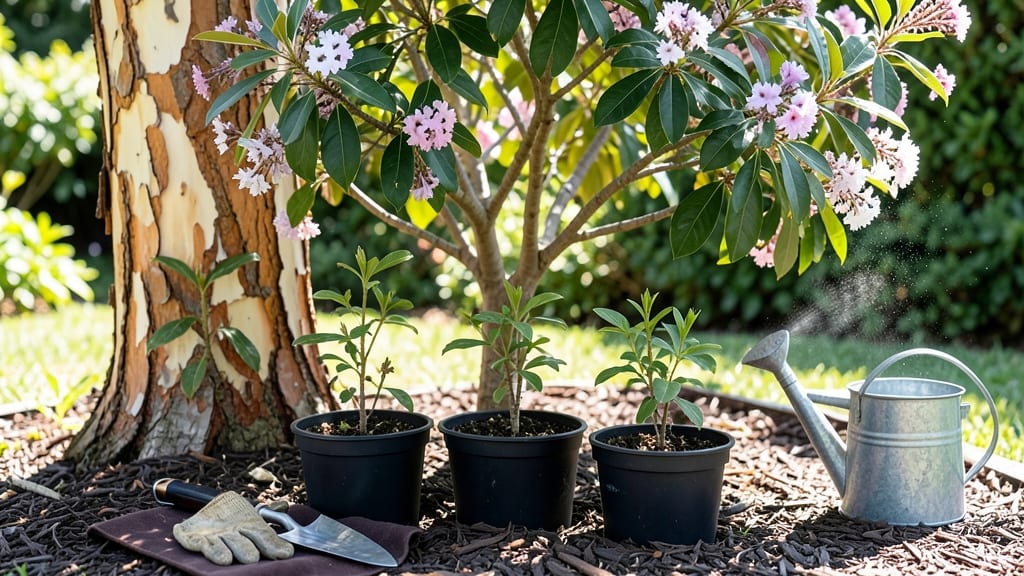
Planting crepe myrtles 🌸 in Oklahoma at the wrong time can mean the difference between a showstopping tree and one that struggles to survive. The ideal window isn’t just about months—it’s about soil warmth, frost risks, and how your local microclimate plays a role in root establishment.
If you’ve ever wondered why some crepe myrtles thrive while others wilt, timing is the key. In Oklahoma’s 6a-7b zones, late March through May offers the perfect balance of warm soil and mild temperatures, while fall planting in September-October gives roots time to settle before winter.
But there’s more to it than just picking a month.
Whether you’re planting bare-root saplings or container-grown varieties, understanding how Oklahoma’s clay-heavy soil and sudden temperature swings affect growth will save you from costly mistakes. I’ll break down the best strategies for each season, including how to prepare your soil and protect young plants from heat stress.
Ready to give your crepe myrtle the best start possible? Let’s dive into the easiest ways to plant them for maximum survival—and stunning blooms—year after year.
Best months to plant crepe myrtles in Oklahoma for maximum survival
Oklahoma’s USDA zones 7a-8a create a tricky balance for crepe myrtle planting—too early and frost zaps tender roots, too late and summer heat stresses young plants. The ideal planting window spans late March through May or September through October, but timing varies by plant type and microclimate.
For example, container-grown crepe myrtles adapt faster than bare-root varieties, giving you more flexibility in early spring.
Most gardeners in central Oklahoma (7a) wait until after April 15 to avoid late frosts, while those in southern Oklahoma (8a) can plant as early as mid-March. The key is soil temperature—crepe myrtles thrive when roots hit 60°F+ soil.
Use a soil thermometer to check before planting, especially in clay-heavy Oklahoma soils that warm slowly.
Here’s the critical comparison between spring vs. fall planting in Oklahoma’s climate:
| Planting Window | Best For | Oklahoma Specifics | Risk Factors |
|---|---|---|---|
| Late March - May | Bare-root, container-grown | Soil reaches 60°F by April 15 in most zones; container plants can go in 2 weeks earlier. | Late frosts (USDA 7a), drought stress in May. |
| September - October | Container-grown only | Plant by October 1 for root establishment before first frost (Nov 15); avoid bare-root in fall. | Early frosts, root shock if planted too late. |
| June - August | Emergency/container only | Only for container-grown plants with shade cloth; avoid bare-root. | Heat stress, poor root growth, watering challenges. |
Bare-root crepe myrtles are most vulnerable in Oklahoma’s spring microclimates. For example, north Oklahoma (USDA 6a) often sees 2-3°F dips in April, while south Oklahoma (USDA 8a) may hit 70°F by March 20.
I recommend buying container-grown plants if you’re in a transition zone—they establish 30% faster because their roots aren’t stressed by transplant shock.
Fall planting is underestimated in Oklahoma. Many gardeners assume it’s too risky, but September is ideal for container-grown crepe myrtles because they get 6-8 weeks of warm soil before winter.
The catch? Stop watering by October 15 to harden off roots. I’ve seen ‘Tonto’ crepe myrtles planted in late September survive USDA 7a winters with no issues.
Late spring planting (May-June) is a common mistake in Oklahoma. While the weather seems perfect, summer heat arrives fast, and young crepe myrtles struggle to establish roots in 90°F+ soil.
If you must plant late, use 50% shade cloth for the first 4 weeks and mulch heavily (3-4 inches of wood chips). I’ve had container-grown ‘Arapaho’ survive June planting with these precautions.
Oklahoma’s elevational microclimates add another layer. For example, Oklahoma City (USDA 7a) has 10°F colder nights than Tulsa (USDA 7b), meaning April 1 is safe in Tulsa but risky in OKC.
Check your local frost dates via the Oklahoma Mesonet and adjust your timeline by 10-14 days if you’re in a higher-elevation area like Wichita Mountains.
Pro tip: Soak container-grown crepe myrtles for 1 hour before planting to reduce transplant shock. In Oklahoma’s clay soil, amend planting holes with compost and perlite (50/50 mix) to improve drainage.
I’ve found that ‘Natchez’ crepe myrtles planted in amended soil bloom 2 weeks earlier than those in native clay.
Remember, crepe myrtles hate soggy roots. Oklahoma’s flash floods in spring can drown young plants, so plant on well-draining slopes or raised beds if your yard has poor drainage.
For container planting, use pots with drainage holes and a fast-draining mix (60% potting soil, 30% perlite, 10% sand).
If you’re in western Oklahoma (USDA 6b-7a), err on the side of later planting. The panhandle’s dry winds can stress young plants, so May 1 is safer than April 15.
For eastern Oklahoma (USDA 7b-8a), March 20 works for container plants, but bare-root should wait until April 10. Always monitor weather forecasts—Oklahoma’s unpredictable
How Oklahoma’s soil and weather affect crepe myrtle root growth
Oklahoma’s clay-heavy soil and extreme temperature swings create unique challenges for crepe myrtle root development. Without proper preparation, your plant’s roots may struggle to establish, leading to stunted growth or even death.
The key is understanding how to amend soil and protect young roots from Oklahoma’s spring frost risks and summer heat stress.
Crepe myrtles thrive in well-draining soil, but Oklahoma’s native clay soil can become waterlogged after rain, suffocating roots. Additionally, sudden temperature drops in spring and fall can shock tender roots still adjusting to the soil.
By addressing these issues, you’ll give your crepe myrtle the best chance to grow strong and healthy.
⚠️ Warning: Oklahoma’s Clay Soil is a Root Killer!
Never plant crepe myrtles in unamended Oklahoma clay without these critical steps:
- Test soil pH—crepe myrtles prefer 6.0-7.0. Oklahoma’s clay often tests alkaline (7.5+).
- Add 2-3 inches of compost or sand to improve drainage before planting.
- Avoid planting in low spots where water pools after rain.
Pro Tip: Mix in perlite or coarse sand (50/50 ratio) to break up clay and prevent root rot.
To amend Oklahoma’s heavy clay soil, start by digging a hole twice as wide as the root ball. Mix the native soil with compost and sand in equal parts. This blend improves drainage while retaining moisture—critical for Oklahoma’s dry summers and unpredictable rains.
For container-grown crepe myrtles, use a well-draining potting mix with 20% perlite to mimic ideal soil conditions.
Oklahoma’s spring frost risks (even after last frost) can damage young crepe myrtle roots. If planting in late spring (May-June), use row covers or mulch heavily to insulate roots.
For fall planting (September-October), choose hardier varieties like ‘Natchez’ and protect roots with 3-4 inches of mulch before the first frost.
Once planted, water deeply but infrequently to encourage deep root growth. Oklahoma’s intense summer heat can dry soil quickly, so aim for 1-2 gallons per week (adjust for rain). Avoid shallow watering, which promotes weak, surface roots that struggle in Oklahoma’s extreme heat and clay soil.
With the right soil prep and root protection strategies, your crepe myrtle will establish quickly—even in Oklahoma’s challenging climate. Focus on drainage, mulching, and seasonal adjustments, and you’ll enjoy vibrant blooms for years. 🌸