
Plants
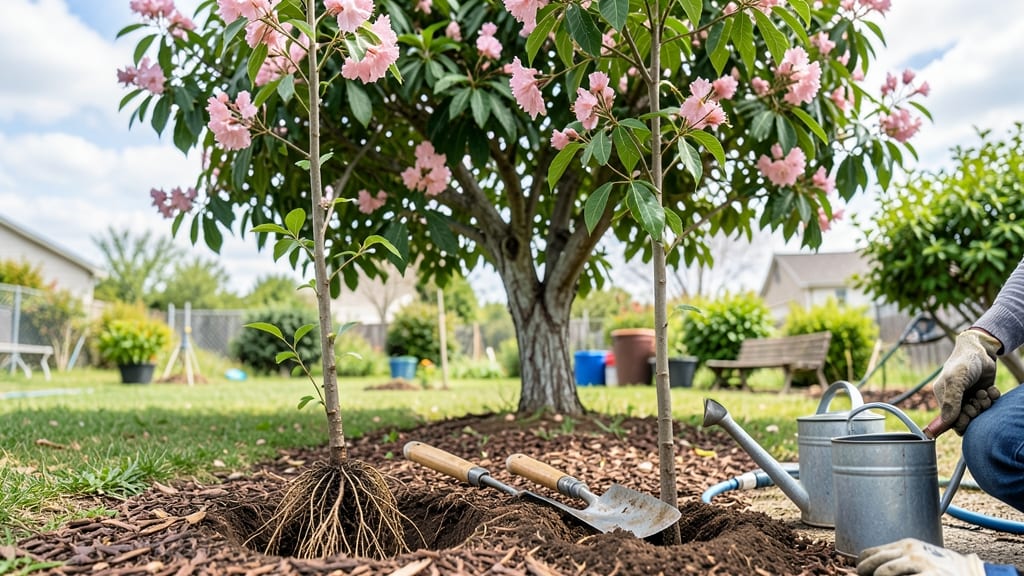
Planting a Crape Myrtle 🌸 in Texas isn't just about sticking it in the ground—it's about timing it right to survive the brutal summers and unpredictable freezes.
If you miss the sweet spot between late winter and early fall, your tree might struggle or even die before it ever gets a chance to bloom.
I've seen too many Texas gardeners waste months waiting for the "perfect" time, only to end up with stressed plants that never recover. The truth?
Your USDA Zone (8a-10b) makes all the difference—North Texas needs a different approach than South Texas, and even a few weeks can mean the difference between thriving and struggling.
In this guide, I'll break down the exact months to plant based on your region, plus pro tips for soil, watering, and microclimates that actually work in Texas heat.
Whether you're in Dallas or the Rio Grande Valley, you'll know when to dig that hole for the best chance at stunning summer blooms.
Ready to stop guessing and start growing? Let's get your Crape Myrtle 🌸 planted the right way—once and for good.
Best months to plant crape myrtle in Texas by hardiness zones (7-10)
Texas's diverse climate means your crape myrtle planting window depends heavily on your USDA hardiness zone. In North Texas (Zones 7-8), late frosts can linger into March, while South Texas (Zones 9-10) enjoys milder winters with fewer frost risks.
Getting the timing right ensures your Lagerstroemia thrives and blooms spectacularly each summer.
For optimal root establishment, plant when soil temperatures consistently stay above 60°F (15°C). This typically aligns with late winter to early spring in cooler zones and extends into fall for warmer regions. Let's break down the perfect planting schedule by Texas region to maximize your crape myrtle's potential.
| Texas Region | Hardiness Zone | Best Planting Months | Soil Temp | Key Considerations |
|---|---|---|---|---|
| North Texas | 7-8 | Late March - April September - Early October |
60-70°F | Wait for last frost (avg. March 15) Fall planting avoids summer heat |
| Central Texas | 8 | February - March September - October |
65-75°F | Soil warms earlier than North Fall planting preferred for drought-prone areas |
| South Texas | 9-10 | January - February September - October |
70-80°F | Milder winters allow earlier planting Fall planting avoids extreme summer heat |
🌱 Key: All regions benefit from fall planting for established root systems before summer heat
In North Texas (Zones 7-8), your last frost date typically falls around March 15, making late March through April the ideal window for spring planting. However, if you prefer fall planting, aim for September to early October when soil remains warm but summer's brutal heat has passed.
This timing gives roots time to establish before winter dormancy.
For Central Texas (Zone 8), you have more flexibility. Soil warms earlier here, so you can plant as early as February, but March remains the safest bet.
The real advantage comes in fall planting from September through October. This strategy helps young trees establish roots before summer's intense heat arrives, reducing transplant shock significantly.
Gardeners in South Texas (Zones 9-10) enjoy the longest planting window. You can start as early as January when soil temperatures reach 65°F (18°C). However, the best results come from September-October planting, allowing roots to establish before summer's peak heat.
The mild winters also make container planting more viable year-round in this region.
Regardless of your Texas location, always check for soil temperature before planting. Use a soil thermometer to confirm temperatures are consistently above 60°F (15°C). Cold soil can stunt root growth and delay establishment. In cooler zones, wait until nighttime temperatures stay above 50°F (10°C) consistently to avoid frost damage.
Another critical factor is rainfall patterns. In North Texas, spring planting aligns with natural rainfall increases, reducing irrigation needs. Meanwhile, South Texas gardeners should plant when summer's monsoon season has passed (typically after August) to avoid waterlogged soil conditions that can suffocate roots.
For container planting, timing shifts slightly. In cooler zones, wait until after the last frost and when nighttime temperatures stay above 55°F (13°C). In warmer zones, you can plant containers as early as January, but ensure they're protected from unexpected cold snaps.
Containers heat up faster in summer, so always use well-draining soil mixes with added perlite.
Remember that crape myrtles thrive with full sun exposure, so choose a planting window when your location receives 6+ hours of direct sunlight daily. In North Texas, this means avoiding early spring planting in shaded areas where sunlight increases later in the season.
Always match your planting timing with your specific microclimate for best results.
How to choose the perfect planting window for your Texas location
Choosing the right planting window for crape myrtles in Texas isn't just about picking a month—it's about understanding your local microclimate. While most gardeners focus on frost dates, factors like soil moisture, rainfall patterns, and heat tolerance play equally critical roles.
In urban areas like Austin or Houston, heat islands can delay spring planting by weeks compared to rural East Texas or Panhandle regions.
For example, North Texas (Zones 7-8) typically sees last frost around mid-March, but South Texas (Zones 9-10) may only experience light frosts in January.
Planting too early in Zone 9 risks transplant shock from sudden heat spikes, while Zone 7 gardeners must wait until soil warms to 60°F to avoid root damage. The key is balancing root establishment with air temperature trends.
⚠️ callout-warning
🌡️ Texas Heat Shock Risk
Planting crape myrtles in April-May without proper watering prep can cause transplant shock when temperatures exceed 90°F. Urban areas heat up faster—check soil moisture daily for 2 weeks post-planting. Rural zones may recover faster due to looser soil and lower humidity.
💡 Pro Tip: Mulch with 3 inches of wood chips to retain moisture and protect roots.
Beyond frost dates, pay attention to rainfall timing. East Texas often sees heavy rains in May, which can drown young roots if drainage isn't ideal. In contrast, West Texas may experience zero rain for months, requiring drip irrigation setups before planting.
Always test your soil's drainage capacity by digging a 12-inch hole—if water pools after 6 hours, amend with sand or compost.
Another critical factor is heat tolerance. While crape myrtles thrive in full sun, newly planted trees struggle with sudden heat spikes over 100°F. In South Texas, opt for fall planting (September-October) to avoid summer stress.
For North Texas, late February planting works if you shade young trees with burlap sacks during 100°F+ days.
Urban gardeners face unique challenges like compacted soil and limited space. If planting in containers, use fast-draining mixes with perlite and water daily until established.
Rural areas benefit from looser soil and natural mulch, but watch for pests like crape myrtle bark scale—apply neem oil preventatively in spring.
Finally, don't overlook microclimates within your yard. A south-facing wall can create a 5°F warmer zone, while shaded corners delay planting by 2-3 weeks. Use a soil thermometer to confirm 60°F+ soil temps before planting—this is more reliable than air temperature alone.
With these factors in mind, you'll avoid the #1 mistake Texas gardeners make: planting too early and watching their crape myrtles wilt in the heat.