
Plants
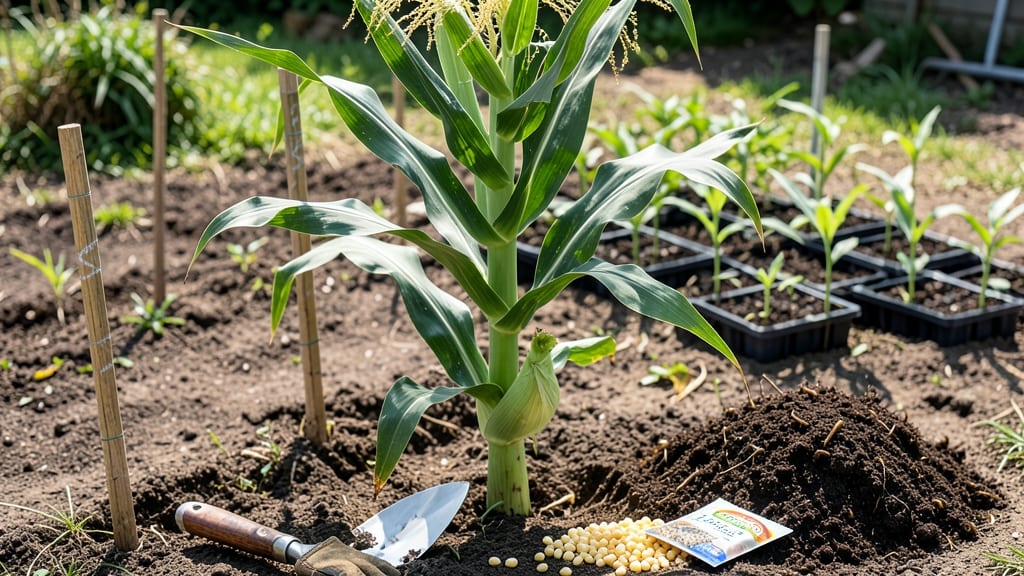
Timing your corn planting in Zone 6b could make or break your harvest—one week too early and your seeds rot in cold soil, while waiting too long risks running out of growing season before those sweet 🌽 ears mature.
Most gardeners in Zone 6b wait until mid-April to early May, but there's a trick to getting it right: your soil needs to stay above 60°F for at least a week before planting. That's when corn seeds finally germinate reliably, not when the calendar says spring has arrived.
This guide breaks down exactly when to plant for your specific location—whether you're in northern 6b where frosts linger longer or southern 6b where warm spells arrive early.
I'll show you how to use soil thermometers, adjust for early vs. late varieties, and even extend your harvest window with smart succession planting.
By the end, you'll know exactly when to put those seeds in the ground for corn that's ready to harvest from late July through October. Let's get started with the critical timing factors that separate a great crop from a disappointing one.
Zone 6b corn planting timeline: frost dates & soil warmth requirements
Corn thrives in Zone 6b when planted at the perfect moment—too early and cold soil stalls germination, too late and you risk frost damage before harvest.
The key is waiting for soil temperatures to consistently hit 50°F+ and aligning your planting with the last average frost date, which typically lands around April 15 in most of Zone 6b.
Unlike cool-season crops, corn demands warm soil to germinate. Seeds planted in cold soil (below 50°F) rot or fail to sprout, wasting your time and resources. Use a soil thermometer to confirm temperatures before planting—60°F+ is ideal for most varieties.
Here’s the breakdown of your Zone 6b corn planting window, including frost dates, soil warmth thresholds, and variety-specific timing for sweet corn, field corn, and popcorn:
| Factor | Zone 6b Specification | Notes |
|---|---|---|
| Last Average Frost Date | Mid-April (varies by location) | Plant 2 weeks after last frost for safety. |
| Ideal Planting Window | Mid-April to early May | Soil must be 50°F+ at 4" depth. |
| Soil Temperature Threshold | 60°F+ for germination | Use a soil thermometer to avoid delays. |
| Sweet Corn Varieties | Plant early May for 75-90 day varieties | Stagger plantings for extended harvests. |
| Field/Popcorn Varieties | Plant late April to early May | Longer maturity (100+ days) needs earlier start. |
| First Frost Risk | Mid-October (varies by location) | Choose early-maturing varieties to avoid frost. |
| Succession Planting Window | Every 2 weeks until June 15 | Extends harvest by 6-8 weeks total. |
For sweet corn, aim to plant early May for varieties with a 75-90 day maturity window.
This ensures ears fill out before the first frost, typically around mid-October in Zone 6b. If you’re growing field corn or popcorn, which take 100+ days to mature, start seeds late April to give them enough time to develop fully.
Pro tip: Black plastic mulch warms soil faster and can push your planting window 1-2 weeks earlier in cooler microclimates. Simply lay it down 1-2 weeks before planting to raise soil temperatures by 5-10°F. This is especially helpful in northern Zone 6b areas where spring lingers.
If you’re new to corn, direct sowing is the way to go—corn doesn’t transplant well. Drop seeds 1 inch deep, 4-6 inches apart, in rows 30 inches apart.
Thinning isn’t necessary if you space seeds properly, but if you must, leave the strongest seedling in each spot. Overcrowding leads to poor ear development and increased pest pressure.
Don’t forget to monitor soil moisture after planting. Corn seeds need consistent moisture to germinate, but avoid waterlogging, which can cause seed rot. A light mulch layer (straw or grass clippings) helps retain moisture and regulate soil temperature.
Water deeply once a week unless rainfall provides 1 inch of water.
For those in southern Zone 6b (closer to Zone 7), you might push planting to early April if your soil warms quickly. Conversely, northern Zone 6b areas (near Zone 5) should wait until late April to avoid late spring frosts.
Always check your local USDA Plant Hardiness Zone Map for precise microclimate adjustments.
Finally, keep an eye on your local frost forecast in late summer. If a frost warning appears when ears are still filling, harvest immediately or cover plants with row fabric to protect tender tissues.
With the right timing, you’ll enjoy homegrown corn from late July through September—just in time for summer barbecues! 🌽
How to adjust corn planting for early vs late varieties in Zone 6b
Choosing the right corn variety for Zone 6b is half the battle—timing your planting schedule to match its maturity days ensures a successful harvest.
Early-season varieties (90-day) need to hit the ground fast, while late-season types (110+ days) demand patience and staggered starts to avoid frost damage. The key? Soil warmth and frost-free windows.
In Zone 6b, where the last frost typically arrives around April 15 and the first frost hits October 15, you’ve got roughly 165 frost-free days to work with.
This means early varieties can start as soon as soil reaches 60°F (usually mid-April), while late varieties might need a 2-week head start indoors or a delayed outdoor planting in early May.
| Variety Type | Days to Maturity | Ideal Planting Window | Staggered Planting Tip |
|---|---|---|---|
| Early (Sweet Corn) | 90 days | Mid-April (soil 60°F+) | Plant every 2 weeks for continuous harvest |
| Mid-Season | 100 days | Late April to early May | Best for bulk harvests; space 3-4 weeks apart |
| Late (Popcorn/Field Corn) | 110+ days | Early May (or start indoors) | Use black plastic mulch to warm soil faster |
For early varieties, like 'Silver Queen' or 'Ambrosia', I recommend planting every 2 weeks from mid-April through early May. This succession planting trick extends your harvest window by 4-6 weeks, ensuring you don’t end up with a glut of corn all at once.
For example, a mid-April planting of a 90-day variety will yield ears by early July, while a May 1 planting won’t be ready until early August.
Mid-season varieties, such as 'Peaches and Cream' or 'Bodacious', thrive when planted in late April to early May. These 100-day varieties give you a bulk harvest in late July to early August, perfect for canning or freezing.
If you’re growing heirloom or popcorn (like 'Country Gentleman'), which often take 110+ days, start them indoors 2 weeks before last frost or use black plastic mulch to accelerate soil warming outdoors.
One of my biggest corn-growing lessons came from a late frost in early June—planting late varieties too early risks stunted growth or even death if temperatures dip below 50°F.
To mitigate this, I now use row covers for the first 2-3 weeks after planting late-season corn, giving seedlings a protective buffer while they establish roots. This small step can mean the difference between a flourishing plant and a failed crop.
Pro tip: Pair your corn varieties with companion plants like beans or squash to maximize space and deter pests. For Zone 6b gardeners, this three-sisters method not only saves space but also creates a microclimate that retains moisture and soil warmth—ideal for late-season corn struggling in cooler temperatures.
With the right planting strategy, you can enjoy fresh corn from July through September! 🌽