
Plants
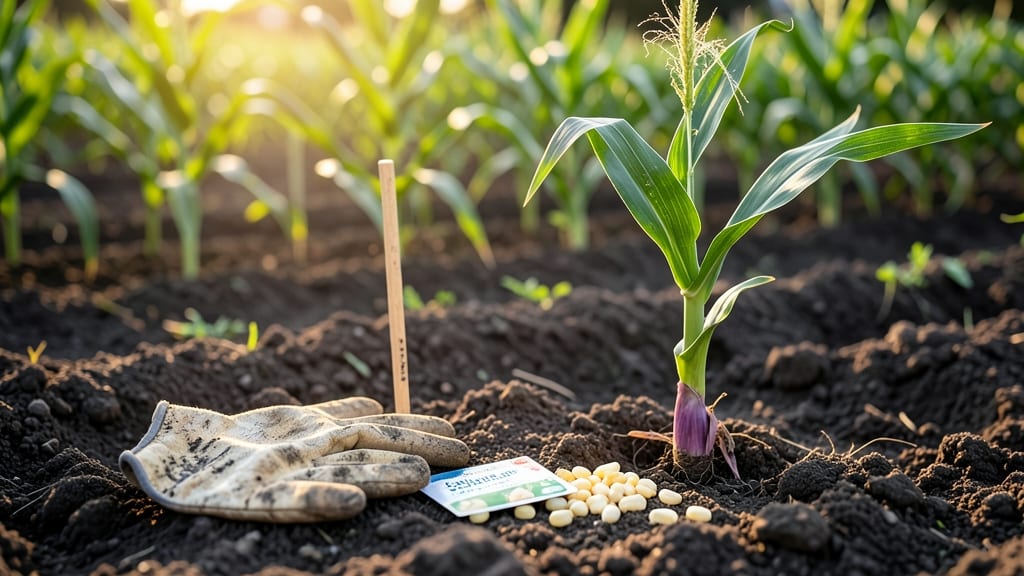
Planting corn in Zone 8a at the right time can make all the difference between a thriving 🌽 harvest and a disappointing one. If you get the timing wrong—whether by planting too early or too late—you risk stunted growth, poor yields, or even frost damage before your corn can mature.
Most gardeners in Zone 8a know the general rule: wait until after the last frost, which typically lands in mid-April. But there’s more to it than just dates.
Soil temperature plays a critical role—corn needs warm soil, ideally between 50-60°F, to germinate properly. Planting too soon can leave seeds sitting cold and damp, inviting rot.
In this guide, I’ll break down the exact window for planting corn in Zone 8a, including how to adjust for early vs. late varieties. You’ll also learn how to avoid common mistakes that ruin timing, like ignoring soil warmth or misjudging frost risk.
Let’s get your corn off to the best possible start.
Whether you’re a seasoned gardener or just starting, these insights will help you maximize your yield. By the end, you’ll know exactly when to plant, how to monitor soil conditions, and which varieties work best for your Zone 8a climate. Ready to grow a bumper crop?
Zone 8a corn planting timeline: frost dates & soil temperature guide
Planting corn in Zone 8a requires precision timing to avoid late spring frosts or fall harvests ruined by early cold snaps. Unlike cooler climates, Zone 8a offers a longer growing season, but corn still needs warm soil (50-60°F) and consistent warmth to thrive.
The average last frost date in Zone 8a is around March 15, but coastal areas may see frost-free conditions weeks earlier, while inland regions can linger near frost longer.
Corn seeds won’t germinate below 50°F soil temperature, so waiting for soil to warm is critical. In my garden, I’ve learned that rushing planting too early—even if air temperatures seem mild—can leave seeds sitting in cold soil for weeks, leading to rot or poor germination.
The key is balancing frost risk with soil warmth, and Zone 8a’s unique climate makes this a delicate dance.
| Stage | Action | Soil Temp (°F) | Zone 8a Timeline |
|---|---|---|---|
| Prep Soil | Add compost, till to 12" | N/A | February (coastal) - March (inland) |
| Test Soil Warmth | Use soil thermometer (50°F+) | ≥50°F | Mid-March (coastal) - Late March (inland) |
| Plant Early Varieties | Direct sow 1-1.5" deep, 4-6" apart | 50-60°F | Mid-April - Early May |
| Plant Late Varieties | Direct sow after early varieties sprout | 55-65°F | Late April - Mid-May |
| Thin Seedlings | Space 10-12" apart, keep soil moist | 60-70°F | 3-4 weeks after germination |
| Harvest Early Varieties | Pick when silks brown, kernels milky | N/A | Late July - Early August |
| Harvest Late Varieties | Pick before first frost (Nov 15) | N/A | September - Early October |
For Zone 8a gardeners, the ideal planting window spans from mid-April to early May, aligning with soil temperatures of 50-60°F. I’ve found that using black plastic mulch can warm soil by 5-10°F, allowing earlier planting in cooler inland areas.
This technique has helped me extend my growing season by nearly two weeks in past years.
One common mistake is relying solely on air temperature. In my experience, soil temperature is the true indicator—corn seeds won’t sprout until the soil reaches 50°F consistently. I always check soil temps with a digital thermometer planted 2 inches deep for accurate readings.
Coastal Zone 8a areas may hit these temps by mid-March, while inland regions often wait until late March or early April.
Corn varieties also play a role in timing. Early-maturing varieties (like 'Early Sunglow') can be planted as soon as soil warms, while late-maturing types (like 'Silver Queen') need to go in later to avoid fall frosts.
I typically stagger plantings—early varieties first, then late ones 2-3 weeks later—to spread out my harvest and reduce waste. This strategy works especially well in Zone 8a’s 240-day frost-free window.
Don’t forget about succession planting! In Zone 8a, you can often squeeze in a second planting of short-season varieties in early June for a late-summer harvest. However, this requires careful monitoring of daylength and remaining frost-free days.
I’ve had success with this method using 'Bodacious' corn, which matures in just 65 days.
If you’re new to corn growing, start with one variety and focus on perfecting your timing. I recommend keeping a gardening journal to track soil temps, planting dates, and harvest outcomes.
Over time, you’ll develop an intuition for your specific microclimate—whether it’s a coastal breeze zone or an inland heat pocket. This knowledge is invaluable for maximizing your corn yield in Zone 8a.
For those in coastal Zone 8a, you might even experiment with fall planting of very early varieties in late summer, though this requires careful frost monitoring.
In my coastal garden, I’ve successfully grown 'Golden Bantam' corn planted in early September for a Halloween harvest—just don’t expect perfect ears from this late planting!
Remember: corn is not frost-tolerant at any growth stage. Even young seedlings can be damaged by temperatures below 32°F. Always have your first frost date (around November 15 in Zone 8a) in mind when planning varieties.
With the right timing, you’ll enjoy sweet, homegrown corn from summer through early fall
How to adjust corn planting for early vs. late varieties in Zone 8a
Choosing the right corn variety for Zone 8a means balancing your planting window with your harvest timeline to avoid fall frost. Early varieties mature in 60-75 days, while late varieties take 80-90 days—a critical difference when your first frost arrives around November 15.
Plant too late with long-season corn, and you’ll watch your crop fail before harvest.
For Zone 8a, early-maturing varieties like 'Golden Bantam' (70 days) offer flexibility, while late-maturing types like 'Silver Queen' (90 days) demand precise timing. The key is aligning your planting date with your variety’s maturity window to ensure ears ripen before temperatures drop below 32°F.
Let’s break down the best strategies for each type.
Comparison Table: Early vs. Late Corn Varieties in Zone 8a
Early varieties like 'Early Sunglow' (65 days) thrive when planted in late April, giving you a harvest by early August—well before frost. These types are perfect if you’re short on time or want to experiment with succession planting.
Late varieties, however, need to be in the ground by mid-April to mature before frost. Use black plastic mulch to warm soil faster and extend the season.
For long-season corn, consider planting two weeks earlier than recommended if your spring is unusually warm. Check soil temperatures with a soil thermometer—corn needs 50-60°F soil to germinate. If temperatures dip below 50°F, wait until conditions improve to avoid poor germination.
Pro tip: Plant early varieties in blocks for better pollination, while late varieties can be spaced further apart.
Don’t forget to monitor weather forecasts in late summer. If a cold snap is predicted, harvest late varieties early—even if kernels aren’t fully mature. Immature ears can be boiled or grilled, though they’ll be sweeter and smaller.
For maximum yield, prioritize early varieties if you’re new to corn growing, as they’re far more forgiving of timing mistakes.
Zone 8a gardeners often combine varieties for a staggered harvest. Plant early types in May for a late-summer crop, then follow with late types in early April for a fall harvest.
Just ensure you have enough space—corn needs 10-12 inches between plants to avoid competition. With the right variety and timing, you’ll enjoy homegrown corn from July through September! 🌽