
Plants
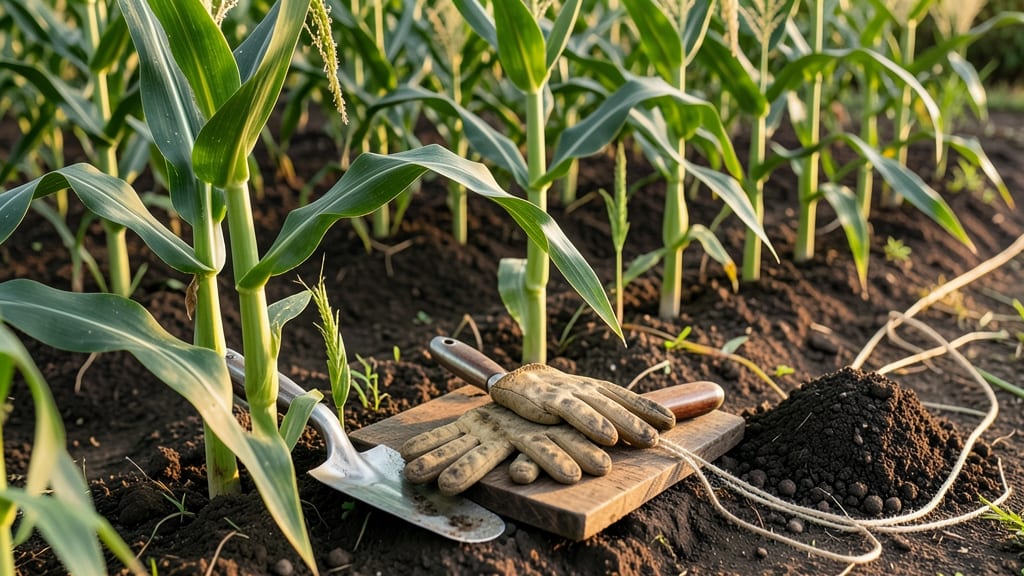
Planting corn 🌽 in Pennsylvania at the wrong time can turn your dream harvest into a sad, stunted disappointment—but getting the timing right means juicy ears straight from your garden.
The key isn’t just waiting for spring; it’s knowing when your county’s last frost has passed and the soil has warmed to 60°F.
With USDA zones ranging from 5b to 7a, Pennsylvania’s climate varies wildly—from the cooler mountains to the warmer valleys. That’s why I’ve broken down the exact planting windows you need, whether you’re growing sweet corn in Erie or field corn in Lancaster.
You’ll learn how to adjust for early vs. late varieties, avoid common mistakes (like planting too soon), and even use Penn State’s frost-date tools to pinpoint your perfect window. No more guessing—just science-backed timing for a bountiful harvest.
Ready to grow corn that rivals the cornfields? Let’s dive into the ideal planting dates and tips that’ll have your garden thriving by summer.
Pennsylvania corn planting dates by frost zone & county
Pennsylvania’s diverse climate—spanning USDA Zones 5b to 7a—requires precise planting timing for corn. Soil temperature must reach 50°F+ for germination, while last frost dates vary dramatically between counties.
In cooler mountain regions like Erie or Cambria, wait until mid-May, while southern counties like Chester can plant as early as mid-April. Understanding your microclimate is key to avoiding frost damage or stunted growth.
Corn thrives in 6-8 hours of sunlight daily and needs 120+ frost-free days to mature. Sweet corn varieties like ‘Silver Queen’ mature in 60-70 days, while field corn and popcorn take 90-120 days.
Planting too early risks frost damage, while late planting shortens harvest windows. Use Penn State Extension’s frost maps to pinpoint your county’s average last frost date.
Here’s a county-by-zone breakdown of ideal planting windows, soil temperature thresholds, and frost-free growing periods to maximize your corn harvest:
For northern counties like Erie or Cambria, prioritize early-maturing varieties (60–70 days) to avoid late-season frosts. In southern zones like Chester
How to adjust planting timing for early vs late varieties
Choosing the right corn variety and adjusting planting times based on your Pennsylvania county is key to a successful harvest. Early varieties like 'Silver Queen' mature in just 60-70 days, while late varieties like 'Peaches and Cream' take 90-100 days.
Matching your variety to your last frost date ensures you avoid frost damage while maximizing your harvest window.
Start by checking your USDA hardiness zone and local frost data. In Zone 5b (northern PA), plant early varieties by mid-April to avoid late frosts, while in Zone 7a (southern PA), you can delay until late April or early May.
Use these guidelines to fine-tune your planting schedule for optimal results.
For succession planting, start with early varieties and add new rows every 2-3 weeks to extend your harvest. This works especially well in southern PA where the growing season is longer.
For example, plant 'Silver Queen' in mid-April, followed by 'Ambrosia' in late April, and finish with 'Peaches and Cream' in early May.
Monitor soil temperatures—corn needs 60°F+ soil to germinate. Use a soil thermometer to confirm readiness, especially in cooler mountain regions like the Poconos. If temperatures are too low, wait or use black plastic mulch to warm the soil faster.
Adjust your planting dates based on local weather patterns. Check the Penn State Extension website for your county’s frost predictions. If late frosts are forecasted, opt for earlier maturing varieties or use row covers to protect young plants.
Extend your harvest by planting a mix of early, mid-season, and late varieties. This ensures you have fresh corn from late July through September, even in shorter growing seasons. Plan your garden layout to stagger plantings for continuous yields.