
Plants
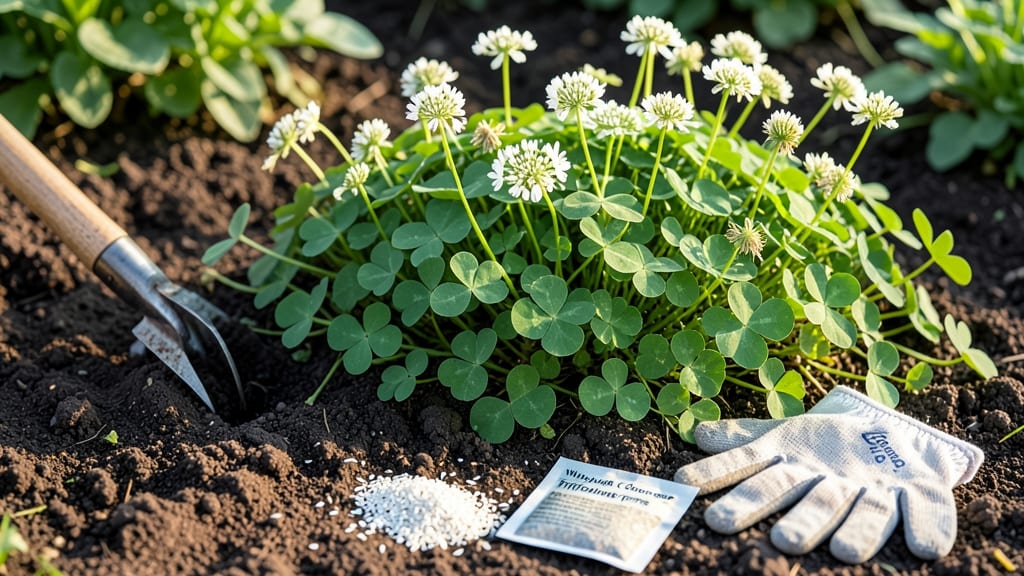
Planting clover in Maryland at the wrong time can mean wasted effort—frost kills seedlings, and summer heat stresses young plants. The key to a thriving, drought-resistant lawn or cover crop is timing it right, and I’ll show you exactly when to plant for best results in your 7a zone.
Maryland’s climate gives you two perfect windows: early spring (March–April) or early fall (September–October). These months let clover establish strong roots before summer’s heat or winter’s chill sets in.
Whether you’re fixing erosion, improving soil, or adding a lush green ground cover, getting the timing down is half the battle.
I’ll break down the best months for your specific needs—whether you’re planting white clover for lawns, red clover for pollinators, or microclover for erosion control. Plus, I’ll share local tips from Maryland Cooperative Extension to help you avoid common pitfalls and ensure your clover takes hold fast.
Ready to transform your yard with a low-maintenance, resilient ground cover? Let’s dive into the exact schedule that works for Maryland’s unique growing conditions—so you can enjoy that vibrant 🌱 clover all season long.
Best planting months for clover in Maryland’s climate zones
Maryland’s USDA zones 6b-8a create unique challenges for clover planting, where frost dates shift by 2-3 weeks between coastal areas and inland Piedmont. The Coastal Plain (e.g., Baltimore, Annapolis) enjoys earlier springs, while the Piedmont (e.g., Frederick, Hagerstown) often waits until mid-April for safe planting.
Timing isn’t just about frost—it’s about soil temperature (ideal: 50°F+) and weed competition during Maryland’s humid summers.
For white clover and microclover, the best window is March-April or late August-September, while red clover thrives with fall planting (September-October) to establish roots before winter.
Missing these windows risks poor germination or weed takeover—especially in Maryland’s competitive lawns. Let’s break down the exact months for each clover type and microclimate.
| Clover Type | Best Planting Months | Soil Temp Requirement | Key Consideration |
|---|---|---|---|
| White Clover | March–April or August–September | 50°F+ | Fastest establishment; ideal for lawns |
| Red Clover | September–October | 45°F+ | Best for cover crops; tolerates cooler soils |
| Microclover | April–May or September | 55°F+ | Slowest to establish; needs consistent moisture |
| All Types (Coastal Plain) | 2–3 weeks earlier than Piedmont | N/A | Warmer microclimate; plant by late February in Annapolis |
| All Types (Piedmont) | Wait until mid-April | N/A | Cooler nights; avoid late frost risk in Frederick |
In USDA Zone 6b (northern Maryland, like Cumberland), aim for April 15 as your cutoff date for spring planting—any earlier risks frost damage to tender seedlings.
Zone 7a (Baltimore, DC suburbs) can start as early as March 1, while Zone 8a (Southern Maryland, near Waldorf) enjoys a 6-week window from February 15. Use Maryland’s frost-free date maps (from Maryland Cooperative Extension) to fine-tune your schedule.
For fall planting, red clover is your best bet in September, as it establishes roots before winter dormancy.
In Zone 6b, plant by September 15 to avoid early frost; in Zone 8a, you have until October 1. White clover and microclover planted in late August may struggle with summer heat stress, so prioritize shade protection or late-September dates instead.
Regional microclimates matter more than you’d think. A south-facing slope in Annapolis might warm up 2 weeks earlier than a north-facing yard in Rockville.
Test your soil’s warmth by pressing your hand 2 inches deep—if it feels cooler than body temperature, wait another week. Coastal areas also benefit from moderate humidity, reducing drought stress during establishment, while inland Piedmont soils dry out faster.
Pro tip: Pre-wet seeds for 24 hours before planting to combat Maryland’s clay-heavy soils, which can cause poor seed-to-soil contact. Mix clover seeds with sand (1:1 ratio) for even distribution—this is especially critical in high-traffic lawns where weed seeds outcompete clover.
After planting, lightly rake the area to ensure seed-to-soil contact without burying them too deep (1/4 inch max).
One common mistake in
How to adjust planting for Maryland’s spring vs. fall seasons
Maryland’s spring and fall seasons offer two prime windows for planting clover, but each requires different strategies to ensure success. Spring planting (March–April) gives clover a head start before summer drought, while fall planting (September–October) allows roots to establish before winter’s chill.
Understanding these differences can mean the difference between a lush ground cover and a failed patch.
For spring planting, aim for when soil temperatures reach 50°F—typically mid-March to early April in Maryland’s USDA Zones 6b-8a. This timing gives clover enough time to germinate before weeds compete aggressively.
In contrast, fall planting should occur 6–8 weeks before the first frost (usually by mid-September), allowing roots to anchor before winter dormancy.
| Factor | Spring Planting (March–April) | Fall Planting (September–October) |
|---|---|---|
| Soil Temp | 50–60°F | 55–65°F |
| Weed Competition | High (early spring) | Low (late fall) |
| Watering Needs | Frequent (weekly) | Moderate (bi-weekly) |
| Establishment Goal | Pre-summer drought | Pre-winter dormancy |
| Post-Planting Care | Mulch + shade cloth | Light mulch only |
When planting in spring, prioritize weed control by prepping the soil with a light tilling or mulching to suppress weeds before they outcompete your clover. Use a shade cloth for the first 2–3 weeks to retain moisture and protect tender seedlings from late frosts.
In fall, focus on soil aeration—clover thrives in loose, well-draining soil, so consider adding compost to improve structure before planting.
After planting, water deeply but infrequently to encourage deep root growth. In spring, water weekly until establishment (about 6–8 weeks), while fall-planted clover only needs bi-weekly watering. Both seasons benefit from a light mulch (straw or shredded leaves) to retain soil moisture and regulate temperature.
Avoid heavy mulch in spring, which can trap heat and stress seedlings.
For spring plantings, monitor for fungal diseases like powdery mildew—common in Maryland’s humid climate. Space seedlings 12–18 inches apart to improve airflow. Fall-planted clover, meanwhile, may face early frost risks; choose hardy varieties like white clover or microclover for better cold tolerance.
Both seasons require patience—clover establishes slowly but rewards you with a drought-resistant, low-maintenance ground cover.
Pro tip: Test your soil’s pH (6.0–7.0 ideal) before planting. Maryland’s clay-heavy soils often need amendments like lime or sulfur to optimize clover growth. Adjust your strategy based on your soil test results—acidic soils favor red clover, while neutral soils suit white clover better. 🌱