
Plants
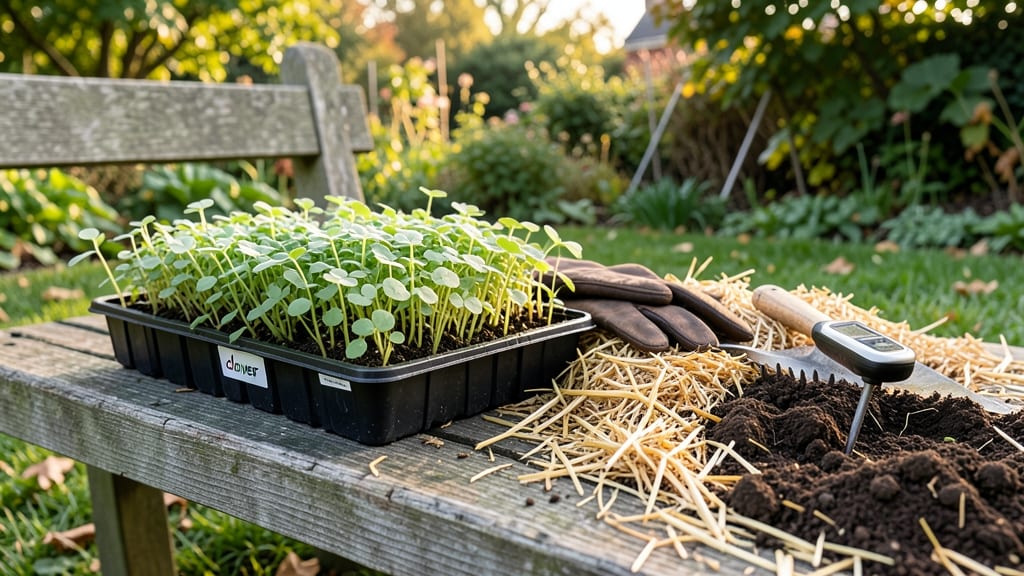
Planting clover in the fall isn't just about timing—it’s about giving your lawn a head start for next spring’s lush, nitrogen-rich growth. If you wait too late, frost can stunt those delicate roots before they even get a chance to establish.
But get it right, and you’ll avoid the common pitfalls of weak germination or winter damage.
For most gardeners in USDA Zone 6a, the sweet spot is 6-8 weeks before your first frost. That means if your area typically sees frost around mid-November, aim to plant by early to mid-September.
This window ensures clover seeds have time to sprout, develop roots, and harden off before winter dormancy kicks in.
Why does this matter? Fall-planted clover thrives because cooler temperatures reduce weed competition, and moist soil makes germination easier. Plus, those roots will be ready to burst into growth as soon as spring warms up.
I’ll walk you through exactly how to prep your soil and plant for success—no guesswork, just proven results.
Ready to transform your lawn into a vibrant, self-fertilizing ground cover? Let’s break down the exact steps to plant clover at the perfect time, so you’re not left scrambling when frost hits. Your future lawn will thank you!
Optimal fall planting windows for clover by US hardiness Zone
Timing your fall clover planting correctly ensures strong root establishment before winter dormancy. The ideal window is 4-8 weeks before your first frost date, allowing clover to germinate and develop a resilient root system.
In USDA Zones 3-5, this typically means planting between late August and mid-September. For warmer zones like Zones 6-8, you can extend planting until early October.
Clover thrives when planted in cool but frost-free soil. Aim for soil temperatures between 60°F and 70°F—too warm, and seeds may sprout too early; too cold, and germination slows. Use a soil thermometer to check conditions before planting.
In northern climates, prioritize late August to avoid early frosts, while southern regions can plant as late as early November in milder microclimates.
| USDA Zone | Optimal Planting Window | First Frost Date | Soil Temp Goal (°F) | Regional Example |
|---|---|---|---|---|
| 3-4 | Late August | Mid-September | 60-65°F | Minnesota, Upstate NY |
| 5-6 | Mid-August to Early September | Late October | 65-70°F | Chicago, Boston |
| 7-8 | Early September to Early October | Mid-November | 68-72°F | Atlanta, Washington DC |
| 9-10 | Late September to Early November | Early December | 70-75°F | San Francisco, Los Angeles |
To pinpoint your exact planting window, use the USDA Plant Hardiness Zone Map and check your local first frost date via tools like the Old Farmer’s Almanac or National Weather Service.
For example, in Zone 5 (like Chicago), planting in early September ensures clover roots establish before late October frosts. In Zone 9 (like Los Angeles), you can plant as late as early November thanks to milder winters.
If you’re unsure about your frost date, err on the earlier side—planting 6 weeks before frost is safer than waiting too long. Clover planted too late may not establish roots before winter, leading to weak growth or winter kill.
For northern gardeners, aim for mid-August to guarantee success, while southern gardeners can push planting into October without risk.
Adjust your planting date based on microclimates in your area. South-facing slopes or urban heat islands may stay warmer longer, extending your planting window by 1-2 weeks. Conversely, low-lying areas or shaded spots may require earlier planting to avoid frost damage.
Always monitor soil moisture—clover needs consistent watering during germination but drought tolerance once established.
For white clover or red clover varieties, follow the same timing guidelines, though white clover may handle slightly cooler soils. If you’re using clover as a green manure crop, prioritize earlier fall planting to maximize root growth before winter.
This ensures a thicker, more resilient stand come spring, improving soil health and reducing weeds.
Pro tip: Mark your planting date on a calendar and set reminders for post-planting care, like light mulching to retain moisture. Avoid planting clover in heavy clay soils or areas with poor drainage, as these conditions can suffocate roots.
Amend soil with compost or sand if needed to improve aeration
Signs your fall clover planting timing is perfect (or too late)
Fall clover planting thrives when soil temperatures hover between 60°F and 70°F—this sweet spot ensures strong root growth before winter dormancy. If your thermometer reads below 50°F, germination slows dramatically, leaving seeds vulnerable to frost.
I’ve learned the hard way that rushing too early can mean wasted seed and weak starts.
Moisture levels are equally critical. The soil should feel damp but not soggy—think of a wrung-out sponge. Overly dry conditions force seeds to compete for water, while waterlogged soil suffocates them.
Aim for 1 inch of rain or irrigation per week leading up to planting to set your clover up for success.
If you’ve planted too early, clover may sprout but stunt growth due to cooler temps, leaving it weak for winter. Look for yellowing leaves or slow growth—these are red flags. To salvage it, apply a light mulch layer (1-2 inches of straw) to insulate roots and protect young shoots.
Conversely, planting too late means seeds may not germinate before frost. In this case, cover seeds lightly with mulch and wait until spring to replant. I once planted white clover in mid-October in Zone 6a, and while germination was slow, the mulch saved the day—sprouts emerged in early spring!
Pro tip: Mark your calendar 6-8 weeks before frost and double-check with your local cooperative extension office. Their data often includes microclimate adjustments that generic frost maps miss. With these signs in mind, you’ll nail your clover timing every time. 🌱