
Plants
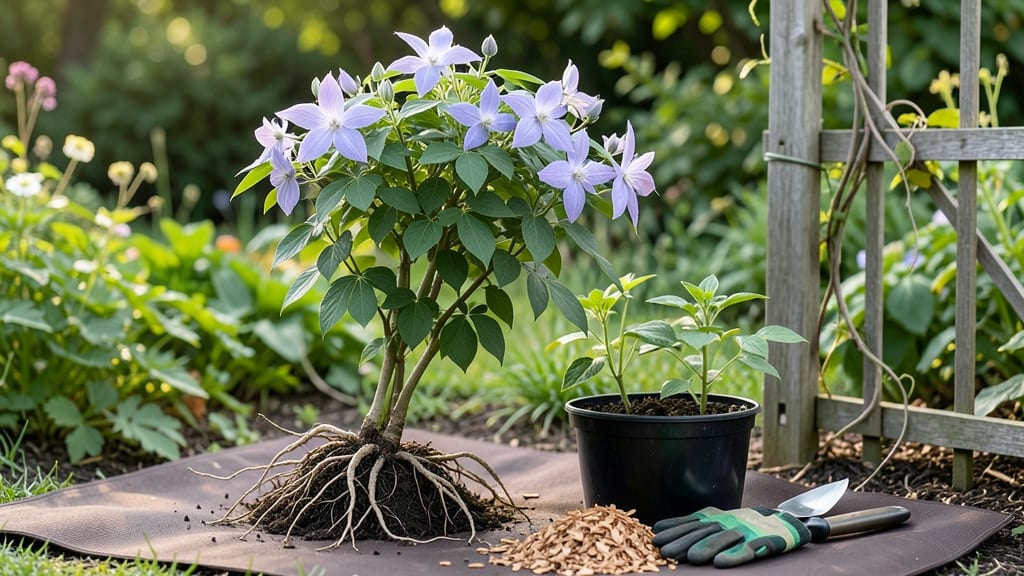
Planting your 🌸 clematis at the wrong time in Ohio can mean the difference between a thriving vine and a sad, frost-bitten disappointment. With USDA Zone 6a frost dates that shift unpredictably, timing isn't just important—it's everything.
Most gardeners assume spring is the only option, but fall planting actually gives clematis roots a head start before winter. I’ve learned the hard way that planting too early in spring risks exposing tender roots to late frosts, while waiting too late means missing the sweet spot for root establishment.
In this guide, I’ll break down the perfect planting windows for Ohio—whether you’re in northern Columbus or southern Cincinnati—plus soil prep tips and frost protection tricks that’ll keep your clematis blooming like a pro.
Ready to stop guessing and start growing? Let’s get those roots in the ground at the ideal time for zero-frost survival.
Ohio’s frost dates and ideal clematis planting windows
Ohio’s diverse climate—from the cool northern regions to the warmer southern zones—creates a tricky balance for planting clematis, a vine that thrives with proper timing. The state spans USDA Zones 5b to 6b, meaning frost dates vary dramatically.
In north-central Ohio (e.g., Cleveland), the last spring frost typically hits around April 20, while southern Ohio (e.g., Cincinnati) sees frost-free conditions by April 5. Understanding these windows ensures your clematis establishes roots before summer heat or winter freeze strikes.
Clematis roots are delicate and frost-sensitive, so planting too early risks root rot from cold, wet soil, while waiting too late may stunt growth before summer blooms.
Ohio gardeners have three ideal planting windows: early spring (March-April), early fall (September-October), and a narrow late-summer gap (August) for southern regions. Each window demands unique strategies to outsmart Ohio’s unpredictable frost patterns and humid summers.
Key frost dates to remember:
- Northern Ohio: First frost October 15–20, last frost April 20–May 1
- Southern Ohio: First frost October 5–10, last frost April 5–10
- Central Ohio: First frost October 10–15, last frost April 10–15
| Region | USDA Zone | Last Frost Date | First Frost Date | Best Planting Window |
|---|---|---|---|---|
| Northern Ohio (Cleveland, Toledo) | 5b–6a | April 20–May 1 | October 15–20 | Early May or Sept 15–Oct 15 |
| Central Ohio (Columbus, Dayton) | 6a–6b | April 10–15 | October 10–15 | April 1–15 or Sept 1–Oct 10 |
| Southern Ohio (Cincinnati, Lexington) | 6b–7a | April 5–10 | October 5–10 | March 15–April 15 or Aug 15–Sept 30 |
⚠️ Pro Tip: Southern Ohio’s shorter frost-free season allows late-summer planting (August) for established nursery plants.
For spring planting, aim for after the last frost but before mid-May to give roots 6–8 weeks to establish before summer heat. In northern Ohio, this means waiting until early May, while southern Ohio gardeners can plant as early as mid-March.
The critical rule: soil should be at least 60°F (15°C)—use your finger to test depth. Cold soil slows root growth, making clematis vulnerable to spring dieback.
Fall planting (September–October) is my top recommendation for Ohio, as cooler temps and consistent moisture help roots anchor before winter. In northern Ohio, plant by October 15; in southern Ohio, extend to November 1. The key is to plant 4–6 weeks before the first frost so roots harden off. Use mulch (4–6 inches) to insulate the crown—this prevents heaving (frost damage from expanding soil). For extra protection, cover with straw or burlap after the ground freezes.
Ohio’s late-summer window (August) is a hidden gem for southern regions (Zones 6b–7a). Nursery-grown clematis planted in late August can establish roots before winter, provided you water deeply and mulch heavily.
This method works best with container-grown plants (less stress) and dwarf varieties like ‘Jackmanii’ or ‘Nelly Moser’, which handle shorter growing seasons better. Avoid this window in northern Ohio—roots won’t mature in time.
Mistake alert: Planting clematis in early spring (March) is risky unless you’re in southern Ohio. Early soil is often too cold and soggy, leading to root rot. Instead, pre-soak roots in water for 1–2 hours before planting to reduce transplant shock. For spring plantings, add compost or well-rotted manure to the hole—this boosts phosphorus for root growth. In fall, focus on potassium-rich amendments (like banana peels or wood ash) to strengthen cold resistance.
Ohio’s microclimates add another layer of complexity. If you live near Lake Erie, expect later frosts (wait until May 10). In urban areas (e.g., Columbus), heat islands can push last frosts to April 20.
Use a frost calendar from your local Ohio State University Extension office for hyper-local data. For container gardening, clematis can be planted anytime (even winter), but spring or fall still wins for root establishment. Just ensure pots have drainage holes and use lightweight potting mix to prevent waterlogging.
To future-proof your clematis, pair it with a tall, sturdy trellis (like a metal arbor) and plant near a south-facing wall to capture warmth. Avoid low-lying areas where cold air pools. If you’re unsure about frost dates, plant in fall—it’s the safest bet for Ohio’s variable climate.
With the right timing, your clematis will reward you with vibrant blooms from June to September, climbing effortlessly toward the sky. 🌸
Step-by-step fall vs. spring planting guide for Ohio climates
Ohio’s variable frost dates create a unique challenge for clematis growers. While both fall and spring offer ideal planting windows, each season demands different preparation to ensure zero-frost survival.
Fall planting (September-October) allows roots to establish before winter, while spring planting (March-April) gives vines a head start in warmer soil. Let’s break down the step-by-step process for each, including soil prep, root protection, and post-planting care tailored to Ohio’s climate.
For fall planting, aim for 6-8 weeks before first frost—typically mid-September to early October in most of Ohio. This timing lets roots grow without competing with summer heat.
In contrast, spring planting should occur 2-4 weeks before last frost (mid-March to early April), when soil temperatures rise above 45°F. Both approaches require careful soil preparation and protective measures to shield delicate roots from freezing temperatures.
✅ Pros:
- Roots establish before winter
- Less competition from weeds
- Early spring blooms possible
✅ Pros:
- Warmer soil for faster root growth
- Longer growing season ahead
- Easier to monitor early growth
❌ Cons:
- Risk of early frost damage
- Limited time for root growth
- Need for winter mulching
❌ Cons:
- Late frost can still harm new plants
- Slower initial growth in cool soil
- More weed competition
🌱 Key Steps:
- Plant by Oct 1
- Mulch 6-8 inches deep
- Use row covers for extra protection
🌱 Key Steps:
- Plant after last frost
- Water deeply weekly
- Stake immediately for support
When preparing soil for fall planting, focus on drainage and nutrient-rich amendments. Work in compost or aged manure to a depth of 12 inches, and mix in perlite or coarse sand if your soil is clay-heavy. Clematis roots thrive in well-aerated, slightly acidic soil (pH 6.0-7.0).
For spring planting, conduct a soil test first—Ohio’s alkaline soils often need sulfur or peat moss to lower pH. Both seasons require adequate organic matter to retain moisture and prevent compaction.
Root protection is critical for Ohio’s unpredictable frost. For fall-planted clematis, apply a 6-inch layer of straw mulch after planting, then top with 4-6 inches of leaves in late fall. In spring, use frost blankets or row covers if nighttime temperatures dip below 32°F.
For both seasons, plant the crown 2-4 inches below soil level—this natural insulation protects against freezing. In northern Ohio (USDA Zone 5b), add an extra layer of burlap or cardboard around the base for added insulation.
Post-planting care differs by season. After fall planting, water deeply once a week until the ground freezes, then reduce to monthly watering in winter. In spring, resume weekly deep watering as soon as soil thaws.
Both seasons require support structures—install trellises or stakes immediately to prevent wind damage. Fertilize lightly in spring with a balanced 5-10-10 formula, but avoid fall fertilization, which can stimulate late-season growth vulnerable to frost.
Ohio’s microclimates add another layer of complexity. In southern Ohio (Zones 6a-7a), fall planting can extend into early November, while northern regions should finish by October 15.
Spring planting in Appalachian areas may start as early as mid-March, while the Great Lakes region often waits until late April. Always check your local Cooperative Extension Service for updated frost dates—this small step can mean the difference between thriving vines and winter losses.
Remember: Clematis rewards patience. Whether you choose fall or spring planting, prioritize soil prep, root protection, and consistent care. With these steps, your clematis will establish strong roots and deliver show-stopping blooms for years to come—no matter Ohio’s unpredictable weather. Happy planting! 🌸