
Plants
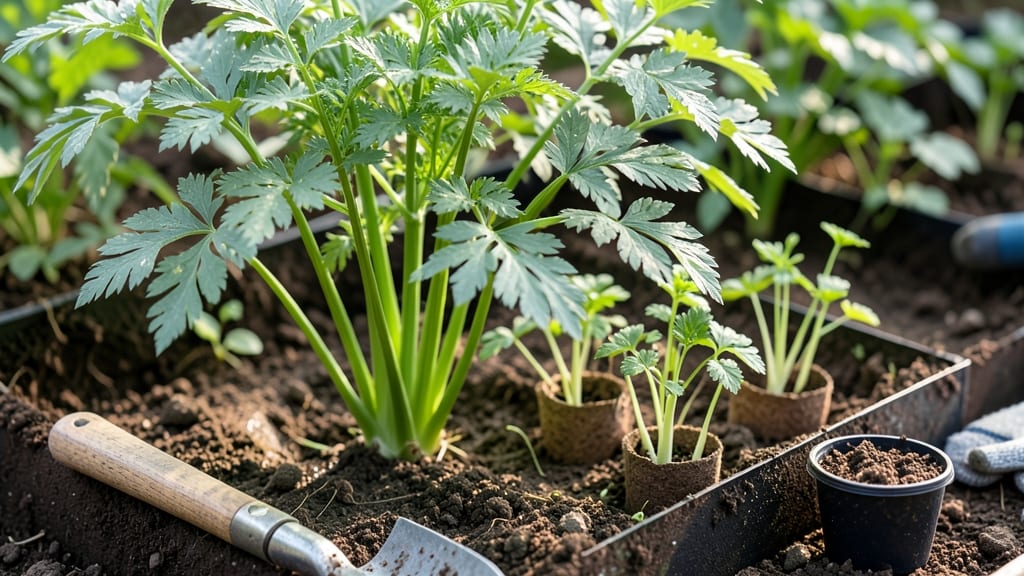
Planting celery in Ohio isn’t just about throwing seeds in the dirt—it’s about outsmarting the unpredictable spring frosts that can turn your garden dreams into soggy disappointment.
With Ohio’s USDA Zone 6a climate, timing your 🥬 celery just right means the difference between crisp, homegrown stalks and a sad, stunted mess.
Most gardeners in Ohio swear by two key windows: early spring (March–April) or late summer (July–August), but there’s more to it than just months.
We’re talking soil temperatures that need to hit 50°F or warmer before seeds even think about germinating—and that’s after the last frost (usually around April 15). Skip this step, and you’ll end up with leggy, weak plants that bolt before they’re ready to harvest.
What I’ve learned from years of Ohio gardening? Succession planting is your secret weapon. By spacing out your 🥬 celery in 2-week intervals from April through June, you’ll stretch your harvest from late summer all the way to fall—just in time for those cozy Ohio winters.
And yes, even northern Ohio gardeners can pull this off with the right tricks, like row covers and mulch to keep the soil warm.
Ready to grow celery that’s actually worth the effort? I’ll walk you through the exact planting schedule, soil prep hacks, and companion plants that keep Ohio’s humidity from turning your garden into a science experiment. Let’s get those crisp stalks growing!
Ohio’s ideal celery planting timeline: frost dates and soil temperatures
Ohio gardeners know that celery thrives in cool weather, but the state’s unpredictable frost dates and variable soil temperatures can turn a promising crop into a flop.
To succeed, you’ll need to align your planting with Ohio’s USDA Zones 5-6 and soil warmth thresholds, which typically range from 50°F to 60°F for germination. Northern Ohio’s cooler microclimates (like Zone 5b) demand earlier starts, while southern Ohio (like Zone 6a) offers slightly more flexibility.
Celery is a cool-season crop, meaning it prefers temperatures below 75°F and can tolerate light frosts once established. However, seedlings are extremely frost-sensitive, so timing your transplants or direct sowing after the last average frost date (typically mid-to-late April in Ohio) is critical.
For northern Ohio, this might mean waiting until May 1st, while southern Ohio gardeners can often plant by April 15th.
Soil temperature is just as important as air temperature. Celery seeds won’t germinate below 50°F, and slow germination can lead to weak seedlings. Use a soil thermometer to confirm your soil has reached 55°F+ before planting. In Ohio, this usually aligns with late April to early May, but cooler springs may push it into mid-May.
Direct sowing celery seeds in Ohio is not recommended due to their slow germination (14-21 days) and frost sensitivity. Instead, start seeds indoors 10-12 weeks before your last frost date. For Ohio, this means sowing by early March for a mid-May transplant. If you’re short on time, purchase transplants from a nursery and harden them off before setting them out.
For a fall harvest, Ohio gardeners can also plant celery in late summer (July-August). This second crop benefits from cooler late-summer temperatures and can be harvested before the first frost.
However, ensure your soil remains consistently moist and use row covers to protect seedlings from unexpected early fall frosts.
Here’s a month-by-month breakdown of Ohio’s celery planting timeline, tailored to northern vs. southern microclimates:
If you’re planting in northern Ohio, err on the side of waiting until May to avoid late frosts. In southern Ohio, you can push the envelope slightly earlier, but always monitor weekly frost forecasts from the National Weather Service.
For direct sowing, mid-May is the safest bet statewide, as soil temperatures will have warmed sufficiently.
Celery also benefits from succession planting in Ohio. Instead of one massive planting, try staggered sowings every 2-3 weeks from April to June. This ensures a continuous harvest and reduces the risk of bolting (when celery flowers prematurely due to heat stress).
For example, plant your first batch in early April, then follow up with mid-April, late April, and early May transplants.
One Ohio-specific challenge is the state’s clay-heavy soils, which can become waterlogged and stunt celery growth. Amend your soil with compost or aged manure before planting to improve drainage. Additionally, mulch heavily with straw or shredded leaves to retain moisture and regulate soil temperature.
Celery is a high-maintenance crop, but these adjustments will pay off with crisp, flavorful stalks.
Finally, remember that celery hates competition. Space plants 12-18 inches apart in rows 18-24 inches apart to allow for proper airflow and reduce disease risk. In Ohio’s humid summers, fungal issues like early blight can be problematic, so avoid overhead watering and opt for drip irrigation instead.
With the right timing and care, you’ll enjoy a homegrown celery harvest from late summer to fall. 🥬
How to extend Ohio’s celery growing season with succession planting
Ohio’s cool-season climate makes succession planting your secret weapon for a longer celery harvest. By staggering plantings every 2-3 weeks from April through June, you’ll beat late frosts and enjoy fresh celery well into fall.
The key? Cold frames and row covers to protect tender seedlings while maintaining soil warmth.
Celery thrives in consistent moisture and cooler temperatures, so April plantings should use row covers until soil warms to 50°F+. For May and June plantings, focus on shade cloth to prevent bolting in Ohio’s summer heat.
Pair your celery with companion plants like lettuce or beans to maximize space and protect from pests.
For northern Ohio, delay April plantings until after April 15 to avoid late frosts. Use black plastic mulch to warm soil faster in southern Ohio. Always harden off seedlings for 7-10 days before transplanting to prevent shock.
Extend your harvest even further by planting a fall crop in July. Choose slow-bolting varieties like ‘Tall Utah’ and use row covers to shield from early autumn frosts. Harvest before temperatures drop below 40°F to maintain crispness.
Pro tip: Interplant celery with fast-growing radishes or spinach to utilize space efficiently. Radishes mature in 30 days, leaving room for celery to fill in—perfect for Ohio’s short growing season!
With these succession strategies, you’ll enjoy fresh celery from June through October, beating Ohio’s unpredictable weather and maximizing your garden’s potential. Happy planting! 🌿