
Plants
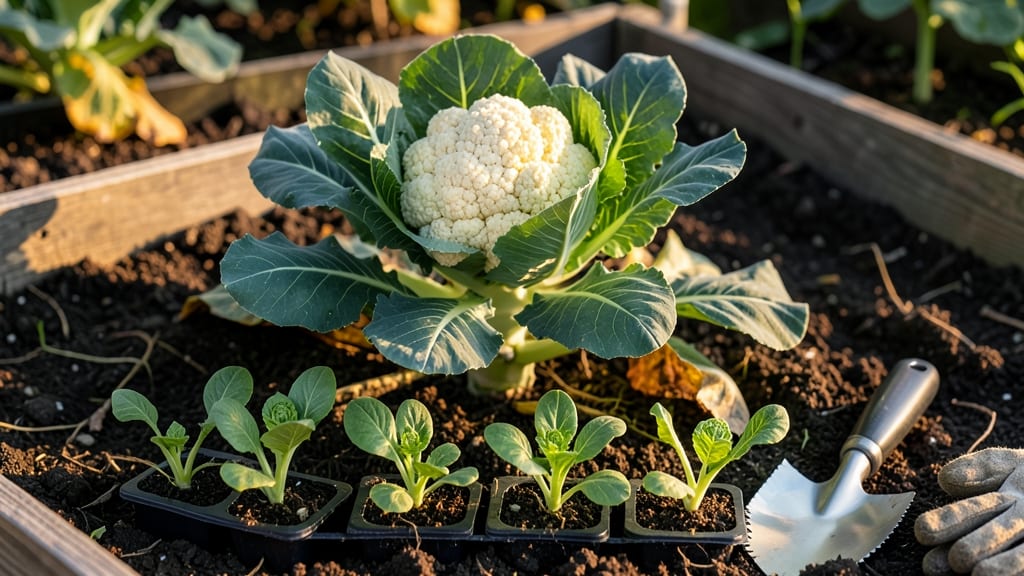
Timing your 🥬 cauliflower planting in Florida isn't just about the calendar—it's about outsmarting the heat and avoiding that dreaded bolt before harvest. One wrong move, and your hard work turns into bitter disappointment instead of crisp, delicious heads.
The key? Understanding how Florida's microclimates create two distinct planting windows that most gardeners miss entirely.
If you've ever planted cauliflower in Florida only to watch it bolt before forming a proper head, you're not alone. The problem isn't just the heat—it's the unpredictable shifts between seasons that catch even experienced gardeners off guard.
What works perfectly in North Florida's cooler winters might fail completely in South Florida's mild climate, where frost is more myth than reality.
I've spent years perfecting the timing for zero-bolt cauliflower in Florida, and the secret lies in two critical planting windows: fall and winter. These aren't just random months—they're calculated based on your specific region's frost dates and temperature patterns.
Let me show you exactly when to plant for maximum success, no matter where you are in the state.
From choosing the right varieties for your microclimate to extending your growing season with simple tricks, this guide will give you the confidence to plant cauliflower like a Florida pro.
We're talking consistent harvests from December through May—without the bolting headaches. Ready to transform your garden from "maybe" to "mission accomplished"?
Florida’s best cauliflower planting zones by month (avoid bolting)
Growing cauliflower in Florida requires precision timing to avoid the dreaded bolting—when plants prematurely flower due to heat stress. The key is planting during cooler months when temperatures stay between 60°F and 75°F during the day.
Florida’s three distinct microclimates—North, Central, and South—each demand slightly different strategies to maximize yields and prevent bolting.
In North Florida (USDA Zones 8a-9a), frost can arrive as early as mid-December, while Central Florida (Zone 9b) enjoys milder winters with rare frost. South Florida (Zones 10a-11) rarely sees frost, making it ideal for extended growing seasons.
The goal is to plant cauliflower 4-6 weeks before the first frost in fall or in early winter for a spring harvest.
Here’s your microclimate-specific planting guide to avoid bolting and ensure a steady harvest from December to May:
| Microclimate | Best Planting Months | Avoid Planting | Ideal Soil Temp (°F) | Frost Risk | Harvest Window |
|---|---|---|---|---|---|
| North Florida (Zones 8a-9a) | September 15 - October 15 January 1 - February 15 |
April - August (Heat stress risk) |
55°F - 70°F | High (Dec 1 - Jan 15) | December - April |
| Central Florida (Zone 9b) | August 20 - September 30 December 1 - January 15 |
March - July (Bolting risk) |
60°F - 75°F | Low (Rare frost) | November - May |
| South Florida (Zones 10a-11) | July 1 - August 15 November 15 - December 31 |
February - June (Extreme heat) |
65°F - 80°F | None (Frost-free) | September - June |
For North Florida, focus on fall plantings (September-October) to harvest before frost hits. Start seeds indoors 6-8 weeks before transplanting to give plants a head start.
In Central Florida, you can squeeze in a second planting in early winter (December-January) for a spring harvest, but avoid summer plantings—the heat will trigger bolting within weeks.
In South Florida, where frost is rare, you can plant year-round with shade protection, but the best windows are July-August and November-December. Use drip irrigation to maintain even moisture, as Florida’s humidity can lead to rot if soil stays too wet.
Always choose heat-tolerant varieties like Graffiti or Purple of Sicily for extended growing seasons.
Monitor soil temperatures closely—cauliflower roots thrive when soil stays between 55°F and 70°F. Use a soil thermometer to check before planting. If temperatures creep above 80°F, provide afternoon shade with a 30% shade cloth to prevent bolting.
Mulch with straw or pine needles to keep roots cool and retain moisture.
One common mistake is planting too late in fall, which can result in small, underdeveloped heads before frost. Aim to transplant seedlings when they’re 4-6 weeks old and have 4-6 true leaves.
Space plants 18-24 inches apart in rows 30 inches apart to allow airflow and reduce disease risk. In containers, use 5-gallon pots for dwarf varieties like Snowball Y.
After planting, maintain consistent moisture—cauliflower heads need 1-2 inches of water weekly. Water deeply in the morning to reduce fungal diseases like downy mildew. Fertilize lightly with a 10-20-10 NPK blend at planting and again when heads form. Avoid high-nitrogen fertilizers, which promote leafy
How to extend Florida’s cauliflower growing season naturally
Florida’s warm winters and unpredictable weather make growing cauliflower a challenge, but with the right strategies, you can extend your growing season and enjoy fresh heads from fall through spring. The key is protecting young plants from heat stress and frost damage while ensuring they mature properly.
By combining shade cloth, mulching, and companion planting, you’ll create an ideal microclimate for your cauliflower.
Start by planting your cauliflower seeds or transplants in September or October for a fall harvest, or in January for a spring crop. These timing windows help avoid the summer heat that causes bolting.
Once planted, use these natural techniques to shield your plants from Florida’s unpredictable weather patterns and keep them thriving until harvest.
Natural Techniques to Extend Your Cauliflower Season
-
Shade Cloth Timing
Use 30-50% shade cloth from late spring through summer to block excessive heat. Remove it by September to allow full sun for head formation.
-
Mulching Strategies
Apply 3-4 inches of straw or wood chips around plants to retain moisture and insulate roots during cold snaps. Replenish after heavy rains.
-
Companion Planting
Plant dill, thyme, or onions nearby to deter pests like cabbage moths. Avoid planting near tomatoes or strawberries, which compete for nutrients.
-
Row Covers for Frost
Use frost blankets on nights below 40°F to protect young plants. Secure edges with bricks or soil to prevent wind damage.
-
Succession Planting
Sow new seeds every 2-3 weeks from September to November to stagger harvests and maximize your growing season.
Another trick is to choose heat-tolerant varieties like Snowball Y Improved or Purple of Sicily, which handle Florida’s mild winters better than standard types. These varieties also bolt less easily when temperatures dip, giving you more flexibility in your planting schedule.
Water deeply once a week during dry spells, focusing on the root zone to prevent stress. Avoid overhead watering, which can spread diseases like black rot. Pair this with a balanced fertilizer (10-20-10) every 4-6 weeks to encourage strong head development.
With these natural techniques, you’ll create a protective microclimate for your cauliflower, ensuring a steady harvest from fall through spring—even in Florida’s unpredictable climate. Happy gardening! 🌱