
Plants
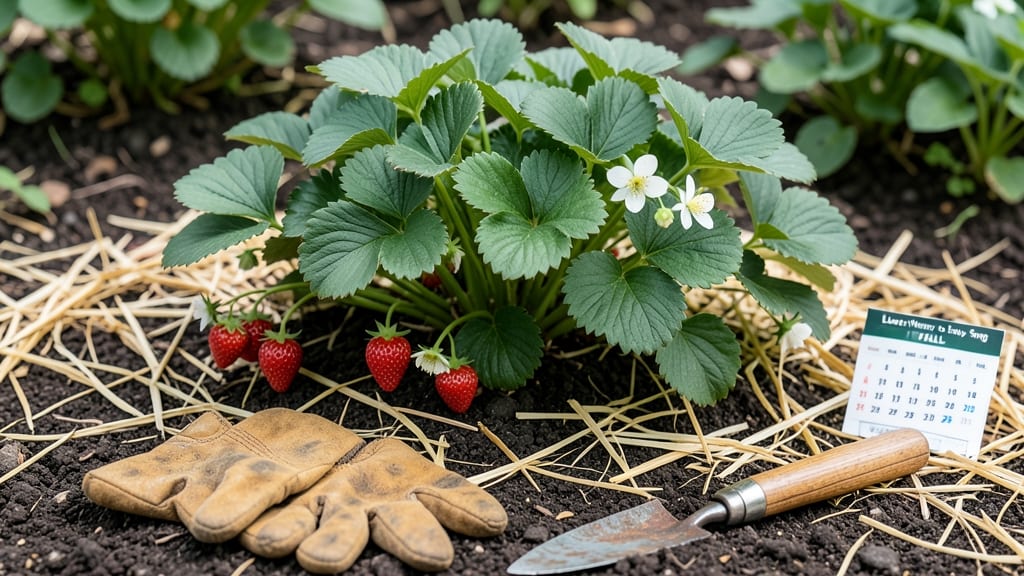
Planting strawberries in California isn't a one-size-fits-all task—your timing depends entirely on whether you're in frost-prone foothills or a sunbaked desert valley. The wrong window can mean wilted plants or missed harvests, while the right approach unlocks year-round fruit production.
I've grown strawberries 🍓 across the state, and what I'm about to share will help you avoid common pitfalls based on your exact microclimate.
Coastal gardeners can start as early as October for winter harvests, while Central Valley growers should wait until February to dodge summer heat stress. The key isn't just following a calendar—it's understanding your local frost dates and soil warmth patterns.
Let me walk you through the precise planting windows that actually work for each California region, so you can enjoy fresh berries from spring through fall.
What makes California strawberries tricky? The same variety thrives in San Francisco but struggles in Bakersfield due to heat sensitivity. We'll cover which planting method (bare-root vs. potted) suits your climate, how to prep soil for maximum yields, and even container gardening hacks for urban balconies.
Whether you're a backyard gardener or a small-scale farmer, these insights will help you grow sweeter, more abundant strawberries than ever before.
Ready to stop guessing and start growing? I'll show you exactly when to plant in your specific zone, plus pro tips for extending your harvest season. Let's get those strawberries in the ground at the perfect time—because in California, timing really is everything for a bountiful crop.
California strawberry planting calendar by microclimate zone
California’s strawberry planting success hinges on understanding your local microclimate. Coastal areas like San Francisco enjoy mild winters, while the Central Valley faces extreme summer heat.
Even desert regions like Palm Springs have narrow windows for planting. Each zone demands precise timing to avoid frost damage or heat stress.
For coastal California, where winters are frost-free or mild, planting can begin as early as late August for fall harvests. Inland areas like Sacramento should wait until September-October to avoid summer heat. Desert climates require even later planting—October-November—to escape 100°F+ temperatures.
Use your average last frost date as your guide. Most California regions have frost dates between December 15 and March 15, but coastal areas rarely see frost. High-elevation zones like Mount Shasta may experience frost until May 1, delaying planting until late spring.
Here’s how to align your planting with California’s 4 key microclimates, including frost-free dates and ideal varieties:
If you’re planting bare-root strawberries, soak roots for 30 minutes before setting them in well-draining soil with a pH of 5.8–6.5. Coastal gardeners can plant everbearing varieties like Seascape for year-round harvests, while Central Valley growers should focus on June-bearing types like Camarosa for larger fruit.
For container gardening in urban areas, use 10–12 inch pots with moisture-retentive mix. Plant in early spring to avoid summer heat stress. Day-neutral varieties like Albion thrive in containers and produce fruit continuously.
Always mulch with straw or wood chips to retain moisture and suppress weeds. In desert regions, water deeply twice weekly at dawn to prevent root rot. Coastal areas may need drip irrigation to manage humidity and reduce fungal diseases.
Pro tip: Mark your planting dates on a calendar and adjust for La Niña/El Niño years, which can shift frost patterns. For example, 2023’s late frosts in the Central Valley delayed planting by 2–3 weeks compared to average years.
By aligning your planting with your local microclimate, you’ll maximize yields and avoid common pitfalls like blossom end rot or heat stress. Start with the right variety for your zone, and you’ll enjoy sweet, homegrown strawberries from fall to spring.
How to extend your strawberry harvest year-round in California
California’s strawberry plants thrive year-round with the right strategies, but the key lies in understanding your local microclimate. While coastal areas enjoy mild winters, inland regions face heat stress in summer. The solution? Seasonal planting and smart soil prep can turn your harvest into a continuous bounty.
For fall/winter planting, focus on June-bearing varieties that tolerate cooler temps. In summer-heavy zones, use shade cloth and mulch to protect plants from heat stress. The secret weapon? Well-prepared soil rich in organic matter—this ensures roots stay resilient through California’s climate extremes.
🌱 5 Key Strategies to Extend Your Harvest
- 1
- 2
- 3
- 4
- 5
In coastal California, where fog delays summer heat, you can push spring planting into early April. Meanwhile, Central Valley growers should prioritize shade solutions and drip irrigation to combat 100°F+ temps. The goal? Minimize stress so plants focus on fruit production instead of survival.
For container gardening in urban areas, choose compact varieties like Albion or Tristar. Use 5-gallon pots with drainage holes and plant in well-draining mix. Move containers to shaded areas during summer afternoons to prevent root burn.
Remember: Consistent watering is non-negotiable. Strawberries need 1-1.5 inches of water weekly, but drip irrigation at soil level prevents fruit rot. In drought-prone areas, mulch heavily and water deeply 2-3 times per week instead of daily shallow watering.
With these strategies, you’ll enjoy strawberries from late winter to early fall. The key is adapting to your local climate—whether that means fall planting, summer shade, or succession crops.
Start small, experiment with varieties, and soon you’ll have a year-round harvest that rivals commercial farms! 🌱🍓