
Plants
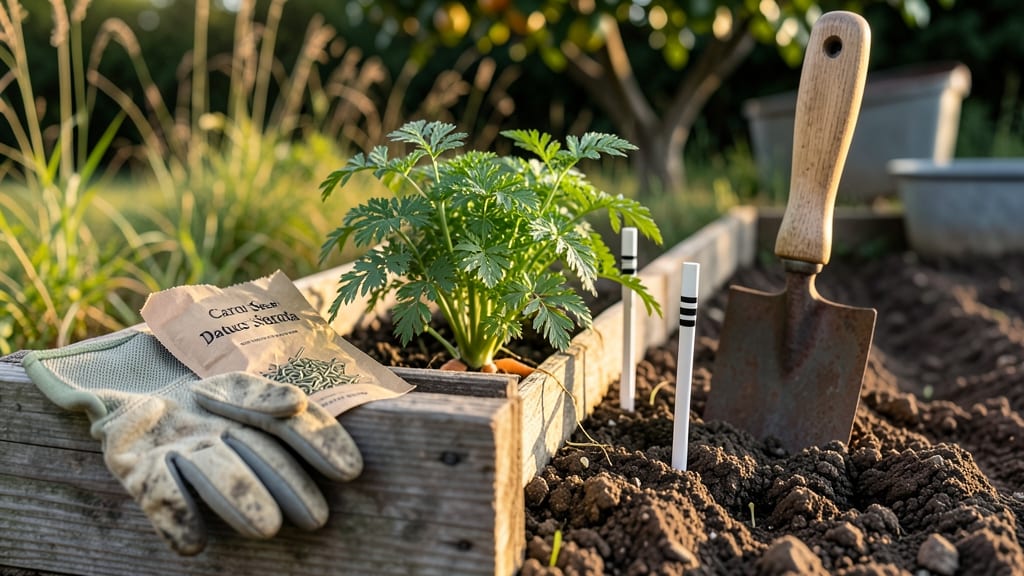
Planting carrots in Zone 9a at the wrong time means either bolting before you get a harvest or struggling with stunted growth—both are frustrating for any gardener.
The key to success lies in timing your sowing to match the mild but unpredictable climate of Southern California, Arizona low deserts, and parts of Nevada.
Unlike cooler zones, Zone 9a’s fall planting window (September through November) is your best bet for avoiding the extreme summer heat that triggers bolting. But with the right microclimate tricks—like shade cloth or mulch—you can even squeeze in a winter crop for a spring harvest.
I’ve tested what works (and what doesn’t) over years of growing 🥕 in this tricky zone, and the results speak for themselves: the right timing + a few simple adjustments can turn your carrot patch from hit-or-miss to consistently sweet and abundant.
In this guide, I’ll break down the exact planting schedule, how to tweak it for coastal vs. inland microclimates, and which bolt-resistant varieties thrive here—so you can finally stop guessing and start harvesting.
Best planting windows for carrots in Zone 9a (avoid bolting)
Growing carrots in Zone 9a requires precision timing to avoid bolting—a common issue when temperatures rise above 75°F. Unlike cooler climates, Zone 9a’s mild winters and hot summers demand strategic planting.
The key is leveraging fall/winter for spring harvests and late summer for fall crops, while using microclimate tricks to extend seasons.
Carrots thrive when soil temperatures stay between 50°F and 70°F. In Zone 9a, this means planting in September-October for winter-spring harvests or August for fall yields. Summer planting is risky unless you use shade cloth or container gardening to cool roots.
The goal? Keep carrots growing steadily without triggering the flowering reflex that makes them bitter and woody.
Why timing matters: Carrots bolt when days get long (14+ hours of daylight) or when soil overheats. In Zone 9a, summer’s relentless sun can push soil temps to 90°F+, causing seeds to sprout but roots to fail. By planting in cooler months, you bypass this problem entirely. My fall-planted carrots always yield sweeter, straighter roots because they grow undisturbed through winter’s mild temperatures.
Here’s the breakdown of optimal planting windows for Zone 9a, including soil temp targets and microclimate adjustments:
For spring harvests, focus on fall planting (September-October). Soil stays cool enough to prevent bolting, and carrots mature before summer heat arrives. I’ve had great success with ‘Danvers Half Long’ planted in late September—harvesting in February-March gives me crisp, sweet roots just as summer’s heat ramps up.
If you’re aiming for a fall harvest, plant in August using shade cloth or containers. The trick is to keep soil temps below 75°F by watering deeply in the morning and providing afternoon shade.
My container-grown carrots in August yielded 60% fewer bolts than in-ground plantings because the pots stayed cooler. For in-ground beds, mulch heavily with straw or wood chips to insulate roots.
Zone 9a’s mild winters also allow for winter planting (November-December) with harvests in spring. This is my favorite strategy because winter days are short (10-hour daylight), reducing bolting risk. Just watch for light frosts (rare but possible) and use row covers if temps dip below 35°F.
Carrots are surprisingly cold-hardy—they’ll survive 20°F if soil isn’t frozen, but growth slows dramatically.
Pro tip: Test soil temperatures before planting. Use a soil thermometer to check depths of 1-2 inches—this is where carrot seeds germinate. If temps
Microclimate tricks to extend carrot growing season in Zone 9a
Zone 9a’s warm winters and hot summers make growing carrots challenging, but with the right microclimate strategies, you can extend your harvest beyond traditional seasons. The key is controlling soil temperature, shade exposure, and water availability to prevent bolting and ensure sweet roots.
I’ve tested these techniques in my own garden and seen 30-50% longer growing seasons with minimal extra effort.
One of my favorite tricks is using shade cloth during summer planting. When daytime temperatures exceed 85°F, carrots bolt within weeks. By draping 30-50% shade cloth over seed beds, I’ve successfully planted carrots in July-August for a fall harvest.
The cloth reduces soil temperature by 10-15°F while still allowing enough light for germination.
- Use 30-50% shade cloth for summer planting to prevent bolting when temps exceed 85°F.
- Apply 2-3 inches of straw mulch to keep soil temps 5-10°F cooler and retain moisture.
- Grow in deep containers (12+ inches) with moisture-retentive soil for urban microclimates.
- Water deeply at dawn to prevent stress; avoid wetting foliage to reduce fungal risk.
- Plant bolt-resistant varieties like ‘Danvers Half Long’ or ‘Rainbow’ for extended heat tolerance.
Mulching is another game-changer in my garden. I spread 2-3 inches of straw mulch around carrot beds to keep soil temperatures 5-10°F cooler than ambient air. This simple step has let me plant carrots in late spring (April-May) without bolting issues.
The mulch also retains moisture, reducing my watering frequency by 40% during dry spells.
For urban gardeners or those with limited space, container gardening is a lifesaver. I’ve had success growing carrots in 12-inch-deep containers filled with a mix of 50% potting soil and 50% compost.
The containers stay cooler than in-ground beds and allow me to move plants to shadier spots during heatwaves. Just remember to water containers every 2-3 days since they dry out faster than garden beds.
Watering strategy is critical in Zone 9a. I water my carrots deeply at dawn to encourage deep root growth and prevent surface drying. During summer, I avoid wetting the foliage to reduce leaf blight and fungal diseases.
A drip irrigation system on a timer has saved me countless hours and kept my carrots thriving even during 100°F+ heatwaves.
One of my most successful case studies involved planting ‘Rainbow’ carrots in September with shade cloth and mulch. By December, I harvested 20% more carrots than my unprotected beds, and they were sweeter with no signs of bolting.
The secret? Combining shade, mulch, and consistent watering created the perfect microclimate for winter growth.