
Plants
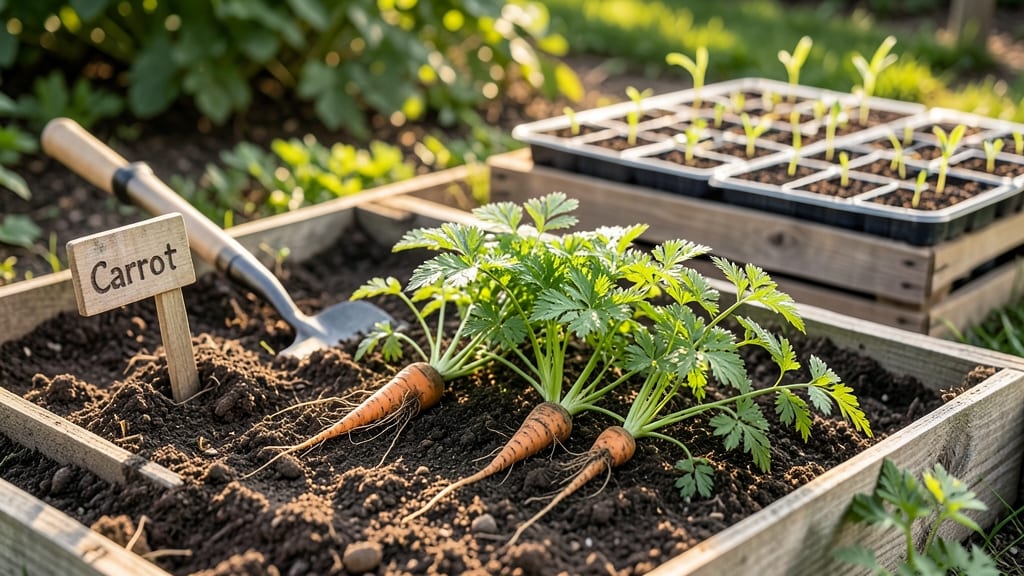
Planting carrots in Georgia at the wrong time can turn your crisp, sweet dreams into a bitter, bolting nightmare—especially when soil temperatures still flirt with frost.
The key isn’t just checking the calendar; it’s waiting for that perfect 50°F–60°F soil warmth that triggers steady germination without inviting rot or leggy greens.
Most Georgia gardeners know spring is prime time, but the real magic happens in late February–March when coastal areas warm faster than Piedmont’s cooler hills. Miss this window, and you risk forking or stunted roots.
Even fall planting demands precision—August–September seeds need 65°F+ soil to grow fast before winter slows them down.
I’ve learned the hard way that rushing carrots into cold soil leads to disappointment, but timing it right means fast, bolt-free harvests by May or November. Let’s break down exactly when to plant for your Georgia zone, plus pro tips to outsmart heat stress and maximize your 🥕 yield.
Whether you’re a first-time gardener or a seasoned grower, these soil-temperature tricks will help you avoid common mistakes and enjoy sweet, homegrown carrots all season long.
Georgia’s ideal carrot planting windows by soil temperature (not just dates)
Georgia gardeners know timing is everything, but carrots demand precision beyond calendar dates. While most guides suggest planting in February-March or August-September, your soil temperature is the real game-changer.
Carrot seeds need 50°F–60°F soil to germinate—cold soil causes rot, while waiting too long risks bolt-resistant varieties turning bitter. Let’s break it down by Georgia’s three distinct microclimates.
Your coastal Georgia (Zone 8a) enjoys warmer soils earlier than Piedmont (Zone 7b) or the mountains (Zone 6b-7a). A soil thermometer is your best tool—plant when readings hit 55°F+ for reliable germination.
In North Georgia, aim for late March; in Savannah or Brunswick, you can start as early as January under row covers.
Here’s your Georgia-specific planting guide by soil temp and region, with adjustments for fall/winter harvests:
| Region | Soil Temp for Planting | Best Planting Window | Fall Adjustment | Key Tip |
|---|---|---|---|---|
| Coastal (Brunswick, Savannah) | 55°F–60°F | Jan 15–Feb 15 Aug 1–Aug 15 |
Sep 15–Oct 15 (use row covers) | Loosen sandier soil with compost |
| Piedmont (Athens, Macon) | 50°F–55°F | Feb 20–Mar 15 Aug 15–Sep 1 |
Sep 1–Sep 15 (choose short-day varieties) | Mulch heavily to retain moisture |
| Mountains (Blue Ridge) | 55°F–60°F | Mar 15–Apr 1 Aug 1–Aug 15 |
Sep 10–Sep 25 (extend with cold frames) | Use black plastic mulch for warmth |
For fall harvests, the key is planting 8–10 weeks before your first frost (typically mid-November in Georgia).
In coastal areas, you can push this to October with row covers, but Piedmont and mountain gardeners should stick to September plantings. Short-day varieties like ‘Paris Market’ handle Georgia’s long days better than long-day types.
Pro tip: If your soil stays below 50°F past March 15, start seeds indoors under grow lights and transplant when soil warms. Use biodegradable pots to avoid root disturbance. For summer plantings, opt for shade cloth (30–50%) to prevent bolt-resistant varieties from overheating.
Watch for soil crusting—a common issue in Georgia’s clay-heavy soils—which can smother young seedlings. After sowing, gently rake fine compost over seeds and keep soil moist (not soggy). Succession planting every 2 weeks ensures a steady harvest, especially in spring when days lengthen quickly.
Remember: Carrots hate competition. Remove weeds weekly and thin seedlings to 2 inches apart when they’re 2 inches tall. In sandy soils (common in coastal GA), mix in compost to prevent forking. For heavier clay soils, add vermiculite or sand to improve drainage.
Georgia’s late summer heat can stress carrots, but with the right timing, you’ll avoid bolt-resistant varieties and bitter roots. Aim for 65°F+ soil for fast growth, and always plant after the last frost (typically mid-March in Piedmont, February in coastal areas).
With these adjustments, you’ll enjoy sweet, crisp carrots from spring to winter.
🌱
3 Critical mistakes Georgia gardeners make with carrot timing (and how to fix them)
Planting carrots in Georgia isn’t just about checking the calendar—it’s about understanding your soil temperature and microclimate. Many gardeners rush planting when daytime warmth arrives, but cold soil (below 50°F) can cause seeds to rot before sprouting.
This mistake leads to wasted seeds and frustrated gardeners waiting for growth that never comes.
Another common error is ignoring succession planting, which results in a single harvest instead of a steady supply. Georgia’s long growing season (from February to November) allows for multiple plantings, yet many gardeners treat carrots like a one-and-done crop.
Without staggered sowings, you’ll end up with a glut of carrots all at once or none at all.
Finally, gardeners often overestimate fall hardiness, planting late-season carrots too close to first frost. While Georgia’s USDA Zones 7b–8b offer extended growing seasons, cool-season varieties like ‘Danvers’ still need 60–70 days to mature.
Planting in September without accounting for frost risks means bitter, stunted roots—or worse, a total loss.
⚠️ Your Carrots Are in Danger If...
- Soil temp is below 50°F—seeds rot before sprouting.
- You’re planting only once—missed succession windows mean sparse harvests.
- Fall plantings are after September 15th—frost risks increase dramatically.
Use a soil thermometer to avoid these pitfalls. Georgia’s Piedmont region (Zone 7b) can handle late fall plantings, but coastal areas (Zone 8a) may need earlier starts.
To fix these mistakes, start by testing your soil temperature with a thermometer—aim for 50–60°F for germination. In Georgia, this typically aligns with late February to early March for spring plantings and mid-August to early September for fall.
For succession planting, sow seeds every 2–3 weeks until July to ensure a continuous harvest.
For fall plantings, choose short-day varieties like ‘Paris Market’ (58 days) or ‘Little Finger’ (50 days), which mature faster in cooler weather. Avoid long-day varieties like ‘Chantenay’ in late summer—they’ll bolt before producing roots. Mulch with straw to insulate soil and extend the growing season by 2–3 weeks.
Create a simple planting checklist for Georgia gardeners: ☑️ Test soil temp before planting (50°F+). ☑️ Plant spring carrots in February–March, fall in August–September. ☑️ Sow every 2–3 weeks for succession. ☑️ Use cool-season varieties in fall. ☑️ Mulch to protect from early frost.
By adjusting your approach to focus on soil warmth, succession timing, and variety selection, you’ll avoid the three biggest carrot-growing blunders in Georgia. The result? Sweet, straight roots all season long—no bitterness or bolting in sight! 🥕