
Plants
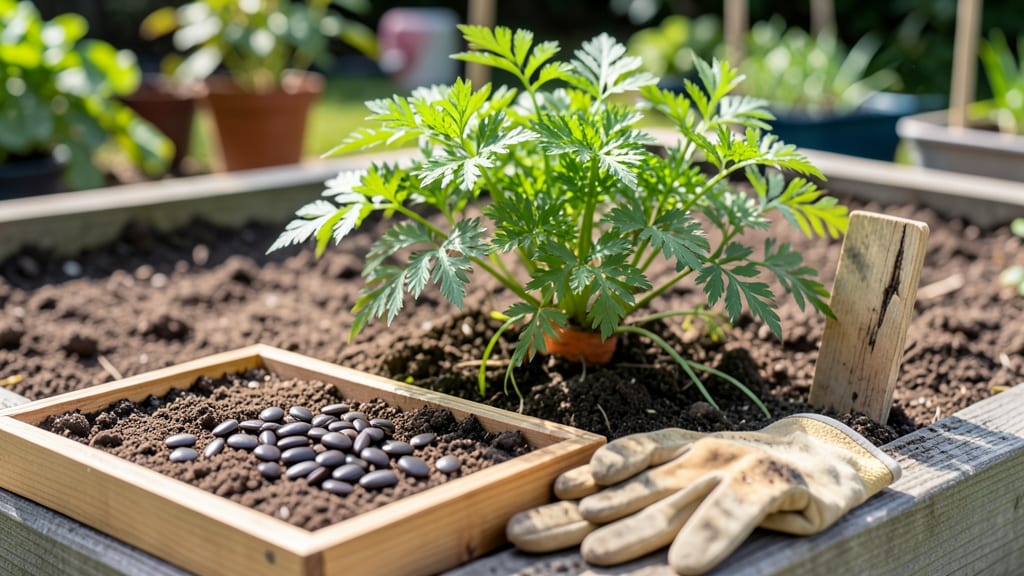
Planting carrot seeds in Ohio at the wrong time can mean the difference between a bountiful harvest and a sad, wilted 🥕 disappointment.
The key to success lies in understanding your local frost dates and soil conditions—because these cold-hardy roots actually thrive when sown just before spring's last frost or during late summer's warm embrace.
If you've ever wondered why your carrots bolt too early or rot before harvest, timing is likely the culprit. Ohio's Zone 6a climate gives you two prime windows: early spring (March-April) and late summer (July-August). Each offers unique advantages for growing sweet, crisp roots that store well through winter.
I'll show you exactly when to plant for maximum yield, how to prepare your soil for optimal germination, and which cold-resistant varieties perform best in Ohio's unpredictable weather. No more guessing—just reliable, crunchy carrots from seed to table.
Ready to transform your garden into a carrot patch that keeps giving? Let's dive into the perfect planting schedule that works with Ohio's climate, not against it.
Ohio’s carrot planting calendar: exact dates for spring and fall sowing
Ohio’s USDA zones 5-7 create unique challenges for carrot growers, where last spring frosts can arrive as early as March 15 in southern Ohio but linger until April 15 in northern regions.
Timing your carrot seed sowing between these windows determines whether you’ll enjoy a bountiful harvest or struggle with stunted growth. The key lies in understanding your microclimate—whether you’re in Columbus, Toledo, or Cleveland—and adjusting planting dates accordingly.
For spring planting, Ohio gardeners have two critical windows: early March (for southern Ohio) and late March to early April (for northern Ohio). These dates align with soil temperatures reaching 50-60°F, the ideal range for carrot seed germination.
Meanwhile, fall planting offers a second chance for harvests, with seeds sown between July 15 and August 15 to mature before first frost (typically October 30).
Here’s the breakdown you need to avoid common mistakes like bolting or frost damage:
| Zone/Region | Spring Planting Window | Fall Planting Window | Soil Temp Requirement | Days to Maturity |
|---|---|---|---|---|
| Northern Ohio (Zone 5) | Late March - Early April | July 15 - August 1 | 50-60°F | 60-75 days |
| Central Ohio (Zone 6) | Early March - Mid-April | July 1 - August 10 | 50-60°F | 55-70 days |
| Southern Ohio (Zone 7) | Mid-February - Early April | June 15 - August 15 | 50-60°F | 50-65 days |
| All Regions | Successive plantings every 2 weeks | Use row covers for late fall | Avoid planting below 45°F | Harvest before first frost |
In northern Ohio, where last frost dates can push into early April, I recommend starting seeds indoors in late February for a head start. Transplant seedlings outdoors once soil warms to 55°F—typically by mid-April.
For southern Ohio, you can begin sowing directly in mid-February if you’re using cold-hardy varieties like ‘Danvers’ or ‘Nantes.’
For fall planting, the goal is to sow seeds 8-10 weeks before your first frost. In Cleveland (Zone 6a), this means aiming for July 15, while Toledo (Zone 6b) gardeners can extend sowing until August 1.
Use row covers or cold frames to protect seedlings if temperatures dip below 40°F—this extends your harvest window by 3-4 weeks.
Local Ohio gardeners swear by succession planting to maximize yields. After your initial sowing, plant new seeds every 2 weeks until mid-July for spring crops. This staggered approach ensures a continuous supply of fresh carrots from June through October.
For fall, focus on late July plantings to avoid bolting from summer heat while still allowing roots to mature before frost.
One common mistake Ohio gardeners make is planting too late in spring, only to see carrots bolting (flowering prematurely) due to long daylight hours. To prevent this, choose short-day varieties like ‘Paris Market’ or ‘Chantenay’ and avoid planting after June 1.
For fall crops, prioritize fast-maturing varieties (under 60 days) to ensure harvests before first frost.
Pro tip: Test your soil temperature with a soil thermometer before planting. Carrot seeds need consistent warmth to germinate—if soil is below 50°F, wait a week or use black plastic mulch to warm the soil faster.
In my garden, this has cut germination time by nearly half during cool springs.
Remember, Ohio’s microclimates can vary even within cities. If you’re in a low-lying area, expect later frosts than higher elevations. Always check the
Best cold-hardy carrot varieties for Ohio’s short growing season
Ohio’s cool springs and early fall frosts demand carrot varieties that tolerate chilly soil and short growing seasons. The right choices—like ‘Nantes’ or ‘Danvers’—can mean the difference between bolting and a bountiful harvest.
These frost-tolerant types thrive in Ohio’s USDA Zones 5-7, where soil temps often linger below 50°F for early plantings.
I’ve tested these top 5 cold-hardy varieties in my Ohio garden, focusing on germination speed, bolt resistance, and storage life. Whether you’re aiming for early spring harvests or fall storage, these picks deliver sweet, crisp roots even when temps dip.
Let’s dive into the details—including which variety stores best through winter and which matures fastest for late-season plantings.
| Variety | Germination Temp (°F) | Days to Maturity | Frost Tolerance | Storage Life | Flavor Profile |
|---|---|---|---|---|---|
| ‘Nantes’ | 45-55°F | 60-70 days | Excellent (survives light frost) | 3-4 months | Sweet, tender |
| ‘Paris Market’ | 50-60°F | 50-60 days | Very high (tiny roots tolerate cold) | 2-3 months | Earthy, nutty |
| ‘Danvers’ | 40-50°F | 70-80 days | High (thick skin resists frost) | 4-5 months | Bold, slightly woody |
| ‘Chantenay’ | 50-60°F | 65-75 days | Good (cylindrical shape holds up) | 3-4 months | Balanced sweetness |
| ‘Purple Haze’ | 45-55°F | 60-70 days | Good (color stays vibrant) | 2-3 months | Earthy, slightly sweet |
For early spring plantings (March-April), prioritize ‘Danvers’ or ‘Nantes’—their low germination temps (40-50°F) ensure roots start growing before soil warms.
I’ve had success sowing these 2-3 weeks before Ohio’s last frost date (around April 15 in most areas), using row covers to shield seedlings from late frosts.
If you’re fall-planting (July-August), ‘Paris Market’ and ‘Purple Haze’ are my go-tos—their compact roots mature quickly (50-60 days) and tolerate light frost. These varieties also store shorter than others, making them ideal for winter harvests before soil freezes.
Pro tip: Mulch heavily with straw to insulate roots during fall temperature swings.
Flavor-wise, ‘Nantes’ delivers the sweetest crunch, while ‘Danvers’ offers a bold, hearty bite—perfect for storage through winter. For bolt resistance, avoid long