
Companion Plants
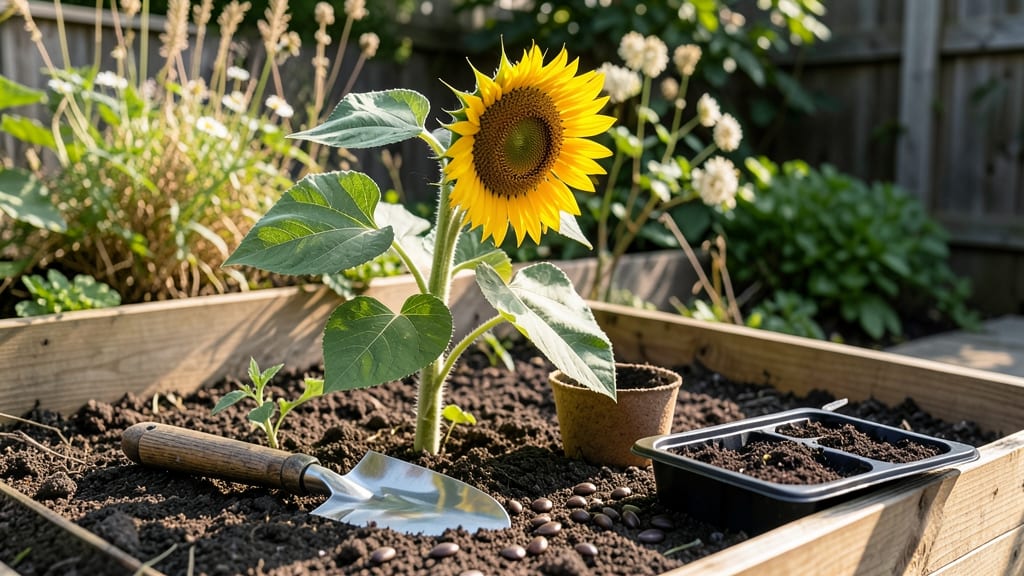
Planting sunflower seeds in Ohio at the wrong time could mean the difference between towering 🌻 giants and sad, stunted sprouts—especially when frost sneaks in unexpectedly.
Most gardeners in zone 6a assume mid-spring is safe, but the real magic happens after your last frost date, which in Ohio typically lands around mid-April.
If you plant too early, tender seedlings will crisp in overnight chills, while waiting too late cuts your bloom season short.
The key is timing it right: soil should be at least 50°F, and you’ve got a narrow window—mid-April to mid-June—to get them in the ground for a summer full of color.
I’ve seen Ohio gardeners make three costly mistakes with sunflowers, and the first is rushing the planting. Whether you’re growing dwarf varieties for containers or giant sunflowers that reach basketball hoop height, patience pays off in bigger, healthier blooms.
Let’s break down exactly when to plant, how deep to sow those seeds, and which varieties thrive best in Ohio’s climate—so you can avoid the common pitfalls and enjoy sunflowers that steal the show from late July through October.
Ohio sunflower planting calendar: exact dates by hardiness zone (4-6)
Ohio’s diverse climate—from Zone 4a in northern regions to Zone 6b in the south—means sunflower planting dates vary by 10 days to 2 weeks. Getting the timing right ensures your Helianthus annuus thrive without frost damage or stunted growth.
I’ll break down the exact windows for both direct sowing and transplanting, plus soil temperature thresholds that make or break success.
Sunflowers are annual plants in Ohio, meaning they complete their life cycle in one growing season. Most varieties need 70–120 days to mature, so planting too late risks blooms appearing after the first frost.
Meanwhile, planting too early exposes young seedlings to soil-borne diseases and frost heave. The key? Wait until the soil warms to 50°F+ and all danger of frost has passed.
Here’s your Ohio sunflower planting calendar by zone, including last frost dates, ideal soil temps, and regional adjustments for northern vs. southern Ohio:
For direct sowing, drop seeds 1–2 inches deep and 12–24 inches apart, depending on the variety. In Zone 4a, I recommend starting seeds indoors 4–6 weeks before the last frost to give them a head start. Use biodegradable pots to avoid transplant shock when moving outdoors.
If you’re transplanting seedlings, harden them off for 5–7 days before moving them outside. Choose cloudy days or late afternoon to minimize stress.
In southern Ohio (Zones 5b–6b), you can even plant a second crop in late June for fall blooms, though these may not reach full maturity before frost.
Pro tip: Use a soil thermometer to confirm temps are stable at 50°F+ for at least 3 days before planting. Cold soil delays germination and can lead to damping-off disease. If your soil is still chilly, wait—your sunflowers will thank you with vibrant blooms and plump seeds.
Ohio’s first frost typically arrives between October 15–30, depending on the zone. If you’re growing tall varieties, stake them early to prevent wind damage. For dwarf sunflowers, you can extend the season
3 Critical mistakes Ohio gardeners make with sunflower planting (and how to fix them)
Sunflowers are a staple in Ohio gardens, but even experienced gardeners make costly mistakes that stunt growth or reduce blooms. The most common errors revolve around planting depth, soil preparation, and variety selection—all critical for Ohio’s variable climate.
Let’s tackle these three pitfalls and how to avoid them.
First, many gardeners plant sunflower seeds too deep, which delays germination. Seeds need light to sprout, and burying them more than 1 inch deep can suffocate them. In Ohio’s cooler springs, this becomes even riskier.
The fix? Plant seeds ½ to 1 inch deep in well-drained soil, and use a light mulch layer to retain warmth without smothering sprouts.
⚠️ callout warning
Ohio’s last frost typically hits April 15, but planting sunflower seeds before May 1 risks frost damage. Even if soil feels warm, nighttime temps can drop below 32°F. Wait until soil reaches 50°F (use a soil thermometer) and air temps stay above 55°F consistently.
Pro Tip: Start seeds indoors 2-3 weeks before last frost for a head start, then transplant seedlings after danger of frost passes.
Second, ignoring soil preparation leads to poor nutrient uptake. Sunflowers thrive in loamy, well-draining soil with a pH of 6.0 to 7.5. Ohio’s clay-heavy soils often need amendments like compost or sand to improve drainage.
Before planting, mix in 2-3 inches of compost and a balanced fertilizer (10-10-10) to give seedlings a strong start.
Third, choosing the wrong sunflower variety for Ohio’s short growing season is a common misstep. Giant varieties like ‘Russian Giant’ need 120+ days to mature, but Ohio’s frost-free season is only 165 days.
Opt for shorter-season varieties like ‘Moulin Rouge’ (60 days) or ‘Autumn Beauty’ (80 days) to ensure blooms before frost.
To fix these mistakes, time your planting after the last frost, prep soil with compost, and select varieties suited to Ohio’s climate. With these adjustments, your sunflowers will thrive and reach their full potential, turning your garden into a vibrant display by summer’s end.
Remember, sunflowers are drought-tolerant once established, but consistent watering in their early stages is key. Mulch around the base to retain moisture and regulate soil temperature, especially during Ohio’s hot, humid summers.
With the right approach, your sunflowers will reward you with bold blooms and towering stems—a true Ohio gardening triumph.