
Plants
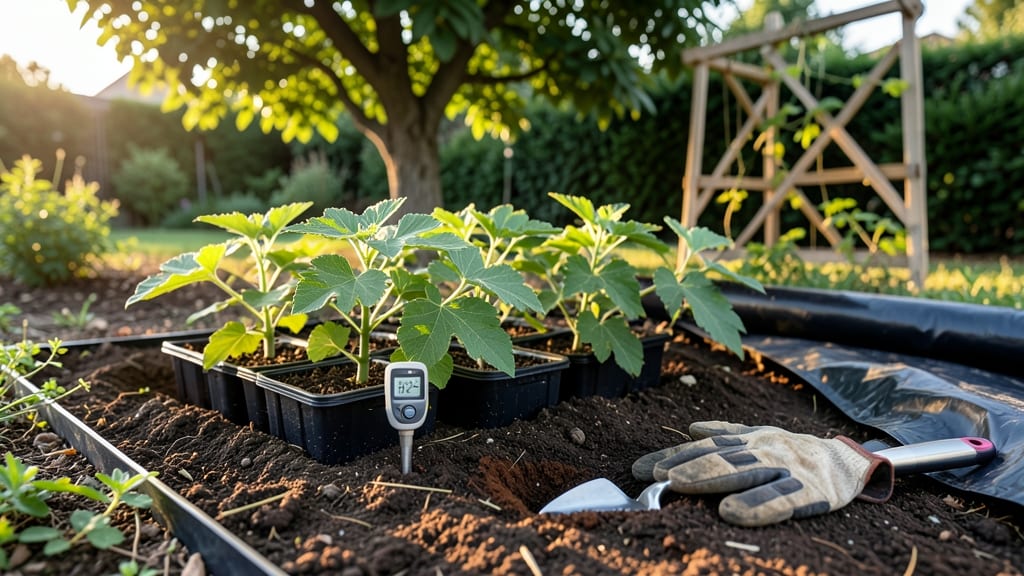
Planting cantaloupe in Oklahoma at the wrong time can mean the difference between a sweet summer harvest and a sad pile of wilted vines. With the state's unpredictable swings from frost to 100°F+ heat, timing is everything—and most gardeners get it wrong without even realizing it.
I’ve grown 🍈 cantaloupe here for years, and the key isn’t just waiting for spring. It’s about understanding your local microclimate, whether you’re in Oklahoma City’s urban heat island or a cooler rural area.
Plant too early, and frost will nip your seedlings. Too late, and the summer heat will stress your plants before they even fruit.
What you’re about to discover are the exact windows for planting in Oklahoma’s USDA zones 6b-8a, plus the three mistakes that ruin harvests every year. Skip these, and you’ll avoid blighted vines, wasted seeds, and the frustration of a garden that never delivers.
Let’s break it down—so you can finally grow cantaloupe that’s juicy, ripe, and ready to pick by July. The best part? These tips work for both beginners and seasoned gardeners, no matter where you live in the state.
Best planting timeline for cantaloupe in Oklahoma’s climate zones
Oklahoma’s diverse microclimates mean your cantaloupe planting success hinges on knowing your USDA zone and last frost dates. Northern areas like Oklahoma City (Zone 7a) face later springs, while southern regions like Tulsa (Zone 7b) or the Ardmore area (Zone 8a) can start earlier.
The key? Plant when soil temperatures hit at least 70°F (21°C)—cantaloupes hate cold soil and won’t germinate well below this threshold.
For most of Oklahoma, this means waiting until mid-April to early June after the last frost, which typically occurs between March 15 and April 15. However, southern Oklahoma gardeners in Zone 8a can sometimes start as early as late March if nighttime temperatures stay above 55°F (13°C).
Always check your local Almanac’s frost predictions—a late frost can wipe out tender seedlings overnight.
Here’s your region-specific planting guide to maximize yields and avoid common pitfalls like blossom end rot or stunted growth. The table below breaks down optimal windows by Oklahoma’s three key climate zones, including soil prep tips and heat-tolerant varieties that thrive in OK’s summers.
🌱
| Zone & Location | Last Frost Date | Optimal Planting Window | Soil Temp Threshold | Best Varieties |
|---|---|---|---|---|
| Northern OK (Zone 6b-7a) Oklahoma City, Stillwater |
April 15–May 1 | Mid-April to early May | 70°F+ (21°C+) | ‘Athena’, ‘Hale’s Best’ (early maturing) |
| Central OK (Zone 7b) Norman, Moore |
March 25–April 10 | Late March to mid-April | 70°F+ (21°C+) | ‘Ambrosia’, ‘Crimson Sweet’ (heat-tolerant) |
| Southern OK (Zone 8a) Tulsa, Ardmore |
March 10–March 25 | Late February to early April | 65°F+ (18°C+) | ‘Caravelle’, ‘Minnesota Midget’ (compact) |
If you’re in Zone 6b (northern Oklahoma), like near Enid or Ponca City, play it safe and wait until after May 1 to plant. These areas experience later frosts and cooler soils, so rushing can lead to seed rot or poor germination.
For Zone 8a gardeners, you can even try a late summer planting (July) for a fall harvest—just use black plastic mulch to warm the soil faster.
Pro tip: Use a soil thermometer to confirm readiness. Cantaloupe seeds need consistent warmth to sprout; if your soil is below 70°F, even for a few days, germination slows dramatically.
In my Zone 7b garden, I’ve found that planting in early April (when night temps are above 55°F) gives me a 2-week head start on pests and heat stress.
For container growing, start seeds indoors 4–6 weeks before your last frost date using biodegradable pots. Transplant seedlings outdoors only after hardening off (acclimating to outdoor temps for 7–10 days).
This method works well for balconies or small spaces—just ensure containers are at least 12 inches deep and use lightweight potting mix.
🌿
Once planted, cantaloupes need 3–6 feet of space to sprawl. In Oklahoma’s heat, trellising isn’t recommended—the vines get too heavy, and fruits can rot from moisture trapped on the vine.
Instead, mound soil around the base of plants to create hills that improve drainage. This trick has doubled my harvest in humid summers by reducing blossom end rot and fungal diseases.
Finally, extend your season by choosing heat-tolerant varieties like ‘Ambrosia’ or ‘Crimson Sweet’. These perform better in Oklahoma’s 100°F+ summers than standard varieties. Pair them with drip irrigation to keep foliage dry, and you’ll avoid the powdery mildew that plagues many Oklahoma gardens by August.
☀️
3 Critical mistakes that ruin cantaloupe harvests in Oklahoma
Oklahoma’s alkaline soil and unpredictable spring weather create a perfect storm for cantaloupe failures. I’ve seen healthy seedlings turn to mush overnight because of one overlooked mistake. The good news? These pitfalls are easy to avoid once you know what to watch for.
First, many gardeners rush to plant cantaloupes as soon as the last frost date passes. But Oklahoma’s nights can still dip below 50°F (10°C) in April, shocking tender vines.
Second, our naturally alkaline soil (pH 7.5-8.5) locks out essential nutrients, stunting growth. Finally, crowding vines—common in small gardens—traps moisture and invites powdery mildew.
⚠️ callout warning
Oklahoma’s average last frost ranges from March 15 (north) to April 15 (south), but soil stays cold longer. Wait until soil temps hit 70°F (21°C)—use a soil thermometer—before planting. Seedlings planted too soon will wilt overnight if temps drop below 55°F (13°C).
Your cantaloupe’s roots thrive in slightly acidic soil (pH 6.0-6.8), but Oklahoma’s native clay often tests above 7.5. Without adjusting pH, plants can’t absorb phosphorus or iron, leading to yellow leaves and poor fruit set.
I once had a 10-foot vine produce only 3 tiny melons because the soil was too alkaline.
To fix this, mix 2-3 inches of compost or sulfur-based amendments into the soil 2 weeks before planting. For a quick test, grab a soil pH kit ($5 at garden centers)—aim for 6.5-7.0.
If your soil tests above 8.0, add elemental sulfur at 1 lb per 100 sq ft and retest in 2 weeks.
Crowded cantaloupe vines compete for sunlight and air circulation, creating the perfect breeding ground for fungal diseases. I’ve seen entire patches of vines collapse from powdery mildew because gardeners planted seeds 6 inches apart instead of the recommended 24-36 inches.
Space matters—each vine needs 3-4 square feet to spread.
For small gardens, try vertical trellising or container growing with 1 plant per 5-gallon bucket. If you’re planting multiple vines, create raised beds with 3-foot spacing between rows. Mulch with straw or grass clippings to improve airflow and reduce soil splashing onto leaves.
By avoiding these 3 critical mistakes, you’ll give your cantaloupes the best shot at success in Oklahoma’s challenging climate. Start with the right timing, adjust your soil, and give those vines room to breathe—and you’ll be feasting on homegrown melons by July! 🍈