
Plants
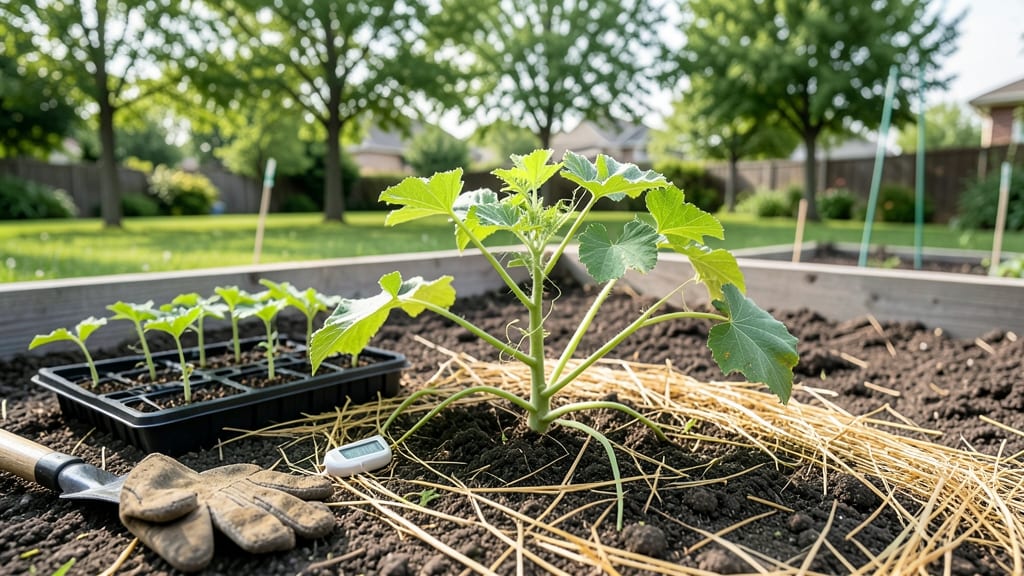
Planting cantaloupe in Indiana at the wrong time means watching your seeds rot in cold soil or your vines wilt before they even fruit. The 5-week window between April 15 and May 15 exists for a reason—and missing it could cost you the sweet, juicy harvest you’re dreaming of.
Here’s the truth: cantaloupes (🍈) demand warmth, and Indiana’s USDA Zone 6a climate can be tricky. Soil needs to hit 70°F before seeds even think about sprouting, and a late frost after planting?
That’s a one-way ticket to disappointment. But get the timing right, and you’re looking at ripe fruit by July.
I’ve grown cantaloupes in Indiana for years, and the difference between a thriving vine and a sad, stunted plant often comes down to just a few days of preparation.
Let me walk you through the exact steps—soil checks, transplant windows, and even how to adjust for your specific corner of the state—to ensure your cantaloupe season is a success.
Whether you’re a first-time gardener or a seasoned pro, these insights will help you avoid common mistakes and maximize your harvest. Ready to turn your garden into a cantaloupe oasis? Let’s get started.
Indiana’s frost-free timeline for planting cantaloupe: when to start seeds indoors vs. direct sowing
Indiana’s USDA Zones 5-6 create a tricky balance for cantaloupe growers. These warm-season crops demand 70°F+ soil temperatures to germinate, but Indiana’s last frost dates vary wildly—from late April in southern regions to early June in the north.
Getting your timing wrong means either frost-killed seedlings or stunted plants that never produce fruit. Let’s break down the exact windows for indoor starts and direct sowing based on your location.
Northern Indiana (Zones 5a-5b), including areas like Gary and Fort Wayne, typically see their final frost around May 15. Southern Indiana (Zones 6a-6b), like Evansville and Louisville, can plant outdoors as early as April 15.
However, cantaloupes need consistent warmth, so even southern growers should wait until soil temperatures reliably hit 70°F—often mid-to-late May. For northern regions, indoor starts are almost mandatory to avoid missing the short growing season.
Here’s the key rule: Never plant cantaloupe seeds directly outdoors until nighttime temperatures stay above 55°F and soil is 70°F+. A soil thermometer is your best friend—these plants won’t germinate in cold soil, and even if they sprout, they’ll linger weakly until warmth arrives.
For Indiana’s 60-85 day varieties, you’re racing against time to harvest before the first frost in mid-October.
For indoor seed starting, use biodegradable pots and a heat mat to speed germination. Cantaloupe seeds typically sprout in 7-14 days at 85°F soil temperatures. Harden off seedlings for 7-10 days before transplanting—this critical step prevents shock when moving them to your garden.
In Indiana’s cooler microclimates, like near lakes or in valleys, delay planting by 1-2 weeks to account for lingering cold.
Direct sowing is only viable in Southern Indiana after April 15, but even there, black plastic mulch can warm soil by 5-10°F, allowing earlier plantings. If you’re in Northern Indiana, focus on transplanting hardened-off seedlings by early June to ensure harvests before frost.
Remember: cantaloupes need 90+ days of warmth, so late plantings risk immature fruit or no harvest at all.
Pro tip: Use row covers for 2-3 weeks after transplanting to protect young plants from unexpected late frosts. These lightweight fabrics raise soil temperatures by 3-5°F and shield seedlings from chilly nights.
Pair this with drip irrigation to maintain consistent moisture—cantaloupes wilt dramatically when thirsty, and recovery is slow. In my Zone 5b garden, I’ve found that planting by June 1 guarantees at least a partial harvest, even if the season cuts short.
Indiana’s humidity and variable weather add another layer of complexity. If your summer brings unusually cool temperatures, consider fast-maturing varieties like ‘Ambrosia’ (70 days) or ‘Hale’s Best’ (75 days). These can squeeze in harvests even with shortened seasons.
Always monitor your local extended forecast—a heatwave in July might push your cantaloupes to maturity faster, while a wet, cloudy summer could delay ripening.
Finally, track your garden’s microclimate. A south-facing slope warms up faster than a low-lying area, and urban heat islands (like paved parking lots nearby) can create <
5 Critical factors that determine your cantaloupe planting success in Indiana (beyond just dates)
Indiana’s warm summers are perfect for cantaloupes, but success depends on more than just timing. I’ve learned that soil warmth, companion plants, and proper spacing can make or break your harvest.
Let’s dive into the five critical factors that will help you grow juicy, sweet cantaloupes—even in Indiana’s unpredictable climate.
First, soil preparation is non-negotiable. Cantaloupes thrive in well-draining soil with a pH between 6.0 and 6.8. If your soil is heavy clay or sandy, amend it with compost or aged manure to improve fertility and moisture retention.
I always test my soil in early spring—it’s the best way to avoid surprises later.
Next, companion planting can boost your cantaloupe’s health. I’ve had the most success pairing them with marigolds, which naturally repel pests like cucumber beetles. Radishes also work well—they break up compacted soil and improve drainage. Avoid planting near potatoes or squash, though, as they share diseases.
Proper spacing is another game-changer. Cantaloupe vines spread 3-6 feet, so give each plant 3-4 feet of space in all directions. I once crammed plants too close, and the result? Stunted growth and fungal infections from poor airflow. Trust me—this mistake costs you more than just space!
Don’t underestimate the power of mulching. In Indiana’s humid summers, mulch keeps soil moist and warm, which speeds up germination. I use black plastic mulch for heat retention and straw mulch for organic matter. Both work, but plastic mulch also suppresses weeds—saving me endless weeding sessions.
Finally, if you’re tempted to plant late, do a risk assessment. Indiana’s first frost typically hits by October 15, so late plantings must mature in 90 days or less.
Choose fast-maturing varieties like 'Ambrosia' and monitor weather forecasts. If frost threatens, harvest early—even if the fruit isn’t fully ripe.
With these five critical factors in place, you’ll be well on your way to a bountiful cantaloupe harvest—no matter how unpredictable Indiana’s weather gets. Happy gardening! 🌱