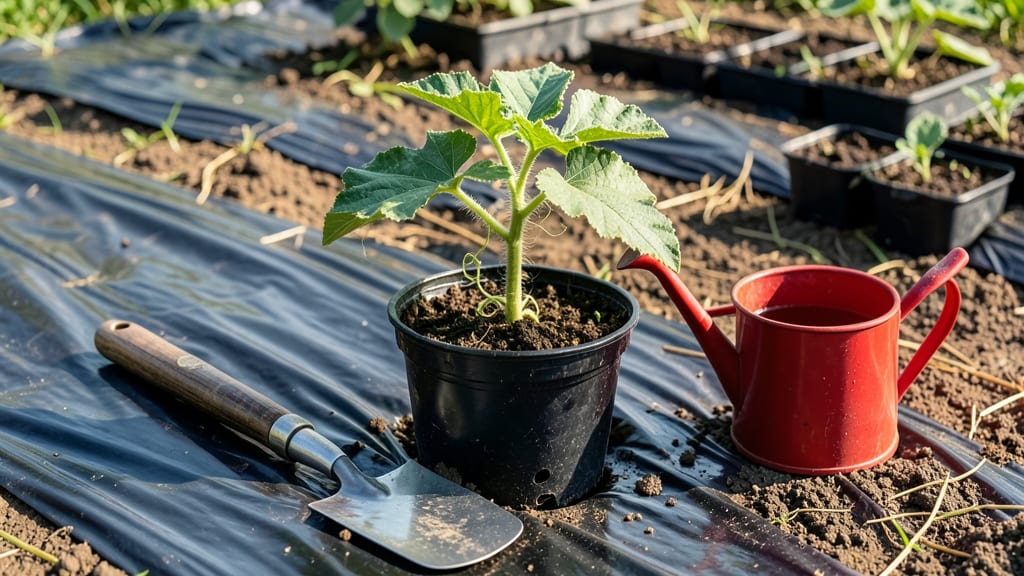
Planting cantaloupe in Florida isn't just about timing—it's about outsmarting the heat and humidity to avoid those frustrating bolted vines before they even fruit. With the right strategy, you can enjoy sweet, homegrown cantaloupe 🌱 from summer through fall, even in the state's diverse climate zones.
Most gardeners in Florida's North and Central regions wait until after the last frost (typically mid-March to early April) when soil temperatures hit 70°F+. But in the South, where frost is rare, you can start as early as February—just be prepared for the intense summer sun.
The key to success? Starting seeds indoors 4-6 weeks before transplanting or using row covers to protect young plants from unexpected chilly snaps. I'll walk you through the exact planting windows for each Florida heat zone, so you can avoid common mistakes and maximize your harvest.
Whether you're a seasoned gardener or just starting, these tips will help you grow cantaloupe that's sweeter, larger, and ready to pick at the perfect moment—no more wasted effort on vines that bolt too soon!
Jan
❄️
Feb
❄️
Mar
🌱
Apr
🌱
May
🌱
Jun
🌱
Jul
☀️
Aug
☀️
Sep
🍂
Oct
🍂
Nov
🍂
Dec
❄️
Florida heat zones and cantaloupe planting windows
Florida’s 11 heat zones (A-K) create dramatic differences in cantaloupe success. In Zone A (North Florida), chilly springs demand precise timing, while Zone K (South Florida) faces relentless summer heat that can stress vines.
The key? Planting when soil temperatures hit 70°F+ and transitioning from early spring to late spring as you move south. This balance prevents premature bolting in cool zones or heat shock in hotter areas.
Cantaloupes thrive in Florida’s warmth-loving nature, but timing is everything. Early spring plantings in Zones A-C risk frost damage, while late spring plantings in Zones H-K battle extreme heat. My strategy?
Start seeds indoors 4-6 weeks before your zone’s last frost date, then transplant when nighttime temperatures stay above 55°F. This gives vines a head start before summer’s intensity peaks.
Here’s the game-changer: soil temperature matters more than air temperature. Use a soil thermometer to confirm 70°F+ before planting. In Zone A (Panhandle), this might mean waiting until mid-April, while Zone K (Miami) gardeners can plant as early as February.
The goal? Avoid planting when daytime highs exceed 90°F—that’s when cantaloupes struggle to set fruit.
Let’s break it down by zone. The summary table below shows optimal planting windows, frost risks, and heat stress warnings for each of Florida’s 11 zones. Use this as your heat-zone planting guide to time your cantaloupe perfectly and avoid common pitfalls like bolting or fruit scorch.
| Heat Zone |
Last Frost Date |
Optimal Planting Window |
Soil Temp Threshold |
Heat Stress Risk |
| Zone A (North) |
Mid-March |
Mid-April to May 15 |
70°F+ |
Low (but frost risk) |
| Zone B (Northwest) |
Late February |
Early April to May 10 |
70°F+ |
Moderate |
| Zone C (Central) |
Mid-February |
Late March to April 30 |
70°F+ |
Moderate-High |
| Zone D (Central) |
January |
Early March to April 15 |
70°F+ |
High |
| Zone E (Central) |
December |
Late February to March 31 |
70°F+ |
Very High |
| Zone F (South Central) |
November |
January to March 15 |
70°F+ |
Extreme |
| Zone G (South Central) |
October |
December to February 28 |
70°F+ |
Extreme |
| Zone H (Southeast) |
September |
November to February 15 |
70°F+ |
Extreme |
| Zone I (Southeast) |
August |
October to January 31 |
70°F+ |
Extreme |
| Zone J (South) |
July |
September to December 31 |
70°F+ |
Extreme |
| Zone K (South) |
None (Tropical) |
February to
Step-by-step planting timeline for Florida cantaloupe success
Cantaloupe thrives in Florida’s heat, but timing is everything. Plant too early in North Florida (Zones A-C), and frost risks linger. Plant too late in South Florida (Zones H-K), and vines bolt before fruiting.
The key is matching your soil temperature (aim for 70°F+) with your frost-free dates—typically mid-March for North Florida and February for South Florida.
My strategy? Start seeds indoors 4-6 weeks before last frost for a head start, then transplant hardened-off seedlings when soil warms. For direct sowing, wait until after April 15 in most zones—this ensures soil stays consistently warm.
In Zone K (South Florida), you can even plant as early as February for a spring harvest.
🌱 Your Florida Cantaloupe Planting Timeline
-
📅 4-6 Weeks Before Last Frost (Indoor Start)
Sow seeds indoors (Zone A-C: late Jan; Zone H-K: late Feb). Use seed-starting mix in trays with bottom heat (75°F+).
-
🌡️ 2 Weeks Before Transplant (Hardening Off)
Acclimate seedlings outdoors for 1-2 hours/day. Gradually increase to full sun exposure. Monitor for pests like aphids.
-
🌱 After Last Frost (Transplant or Direct Sow)
Transplant seedlings (Zone A-C: mid-March; Zone H-K: late Feb). For direct sowing, wait until soil hits 70°F+ (test with a thermometer).
-
☀️ 2-3 Weeks Post-Transplant (Vine Establishment)
Apply mulch (straw or black plastic) to retain moisture. Thin seedlings to 12-18 inches apart for optimal air circulation.
-
🍉 75-90 Days After Planting (Harvest Ready)
Check for beige netting on fruit and sweet aroma at stem. Harvest in morning hours to preserve sweetness.
Pro Tip: In Zone K, extend your season by planting a second crop in August for a fall harvest—just use shade cloth during peak summer heat!
For North Florida gardeners (Zones A-C), I recommend focusing on early-maturing varieties like ‘Hale’s Best’ or ‘Ambrosia’ to avoid late-summer heat stress. In South Florida (Zones H-K), you can push two harvests: one in spring and another in fall by using row covers during extreme heat waves.
Watch for soil temperature drops after transplanting—if it falls below 65°F, vines grow slowly. Use a soil thermometer to track daily shifts. In Zone A (Pensacola), I’ve seen delays of up to 2 weeks when April rains cool the soil unexpectedly.
Remember: Consistent moisture is critical during flowering. Let the top 1-2 inches of soil dry between waterings to prevent blossom-end rot. In Zone K’s humidity, I water deeply every morning to avoid fungal diseases like powdery mildew.
With this timeline, you’ll beat Florida’s heat and humidity while avoiding the two biggest mistakes: planting too early (frost risk) or too late (bolting). Start your seeds now, and you’ll be slicing into juicy cantaloupe by summer’s end! 🌻
★★★★★4.6(6 reviews)
|