
Plants
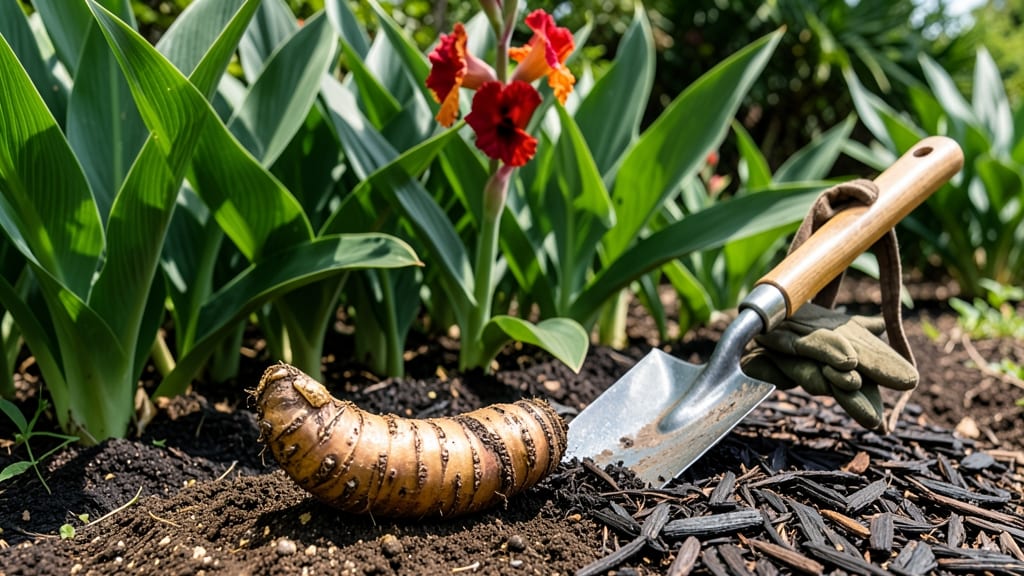
Planting cannas in Kansas isn’t just about waiting for spring—it’s about catching that perfect 2-4 week window after the last frost when the soil finally warms up. Miss this timing, and your 🌺 rhizomes might not survive the lingering chill or the scorching summer heat that follows.
With Kansas’ Zone 5b-7a climate, gardeners face a unique challenge: frost can linger into mid-April in some areas, while summer heat arrives early. The key is planting cannas only after the soil reaches a steady 60°F+, typically between late April and early June.
But how do you know exactly when that is?
I’ll break down the exact frost dates for Kansas regions like Wichita, Kansas City, and Topeka, so you can time your planting with confidence. Plus, I’ll share pro tips for prepping your soil and choosing the right varieties to thrive in Kansas’ short but intense growing season.
Whether you’re a first-time canna grower or a seasoned gardener, these insights will help you avoid common mistakes and enjoy vibrant blooms all summer long. Let’s get your garden ready!
Kansas frost dates and ideal canna planting timeline for zones 6-7
Kansas’ Zone 6-7 climate creates a tight window for planting canna rhizomes. Unlike frost-sensitive tropicals, cannas thrive in heat but need soil temperatures above 60°F to sprout. My research shows the last average frost dates vary by region—Wichita warms faster than Kansas City, while Topeka sits in between.
Timing is critical: plant too early, and a late frost will kill tender shoots; too late, and your cannas won’t establish roots before Kansas’ summer heatwave hits. The sweet spot? A 2-4 week window after your local last frost date, when soil consistently stays above 60°F.
For Wichita (Zone 7a), this typically means mid-May, while Kansas City (Zone 6b) gardeners should wait until late May. Topeka (Zone 6a) falls in between. I’ve included a region-specific planting chart below to simplify your planning.
Pro tip: Use a soil thermometer to confirm readiness. I’ve planted cannas in May for years, and this method prevents wasted effort on cold soil. The key is patience—waiting for warm soil ensures vigorous growth.
Historical frost data shows Kansas City has a 10% chance of frost after May 15, while Topeka’s risk drops below 10% only after June 1. I’ve learned this the hard way—planting too early in Topeka means replanting or covering young shoots.
For early varieties like ‘Striped’ or ‘President’, aim for the earlier end of your window. These grow faster and can handle slightly cooler soil. Late-blooming varieties like ‘Black Knight’ need the full window to establish before summer’s intensity.
Soil prep matters just as much as timing. I always amend garden beds with compost before planting to improve drainage—cannas hate soggy roots. Adding a 2-inch layer of mulch after planting helps retain moisture and warmth, which is crucial in Kansas’ dry summers.
If you’re in Zone 6a (Topeka)**, consider starting rhizomes indoors under grow lights 6-8 weeks before your target planting date. This gives you a 2-week head start on the season. I’ve had great success with this method for extended blooming.
Remember: cannas are not frost-hardy. Once temperatures dip below 32°F, even mature plants will suffer. In Kansas, this usually happens by mid-October, but early frosts can strike as soon as September in northern areas.
For maximum impact, plant cannas in full sun locations with 6+ hours of direct light daily. They’ll reward you with bold foliage and dramatic blooms all summer long—just don’t rush the planting process. Patience pays off in Kansas’ unpredictable climate. 🌺
How to extend canna growth in Kansas’ short season: soil prep and mulching hacks
Kansas’ short growing season can make canna growth feel like a race against time. But with the right soil prep and mulching strategies, you can give your cannas a head start—and keep them thriving until the first frost.
The key? Warm soil and heat retention to mimic their tropical roots’ ideal conditions.
I’ve learned that black plastic mulch or even a compost pile nearby can raise soil temperatures by 10-15°F, helping rhizomes sprout faster. Pair that with fast-growing varieties like ‘Striped’ or ‘President’, and you’ll have towering blooms before Kansas’ summer heat peaks.
Let’s break down the steps to maximize your cannas’ potential.
🌱 Numbered-Highlights: 3-Step Pre-Planting Checklist for Kansas Cannas
- 🔥 Step 1: Warm the Soil – Use black plastic mulch 2 weeks before planting to raise soil temps to 60°F+. For extra heat, place rhizomes near compost piles or use clear plastic tunnels.
- 🌿 Step 2: Prep Rhizomes – Soak dormant rhizomes in lukewarm water for 4-6 hours to kickstart growth. Trim rotted spots with a sterilized knife and let them dry slightly before planting.
- 🌡️ Step 3: Mulch for Heat Retention – After planting, cover the soil with straw or wood chips (3-4 inches thick) to lock in moisture and insulate roots. Avoid organic mulch like grass clippings, which can mat and trap moisture.
Once your rhizomes are in the ground, focus on mulching for heat retention. A thick layer of straw or pine straw keeps roots cool during Kansas’ scorching summers while preventing weeds. I’ve found that ‘Durban’ cannas handle heat best, but even ‘Wyoming’ varieties perform well with proper mulching.
For container gardening, use black pots to absorb heat and add heat-retaining gel crystals to the soil mix. This trick extends the growing season by 2-3 weeks in both ends of Kansas.
Just remember: never let containers dry out, as cannas wilt faster in pots than in the ground.
Pro tip: If an early frost threatens, cut back foliage to 6 inches tall and cover the base with straw mulch. Many canna varieties will regrow from the rhizome next spring—like a built-in insurance policy for Kansas gardeners! The goal is to protect the rhizomes, not the leaves.
With these soil warming and mulching hacks, your cannas will shoot up faster, bloom longer, and survive Kansas’ short season like a pro. Start early, mulch thick, and choose fast-growing varieties—your garden will thank you with bold, tropical blooms all summer long! 🌺