
Plants
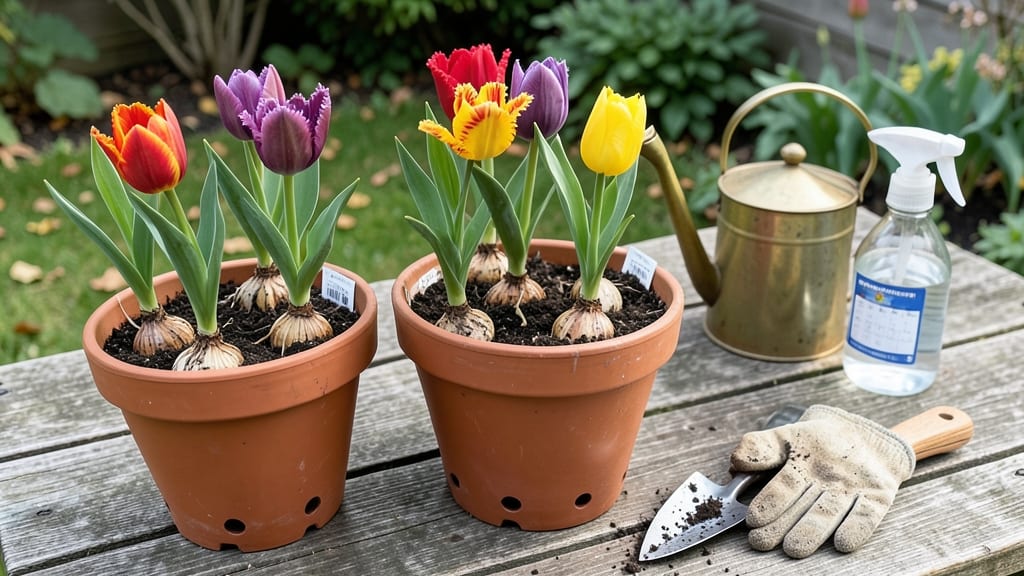
To plant bulbs in pots and guarantee those showstopping spring blooms, timing is everything—and getting it wrong means waiting another year for color.
The secret lies in knowing exactly when to tuck those 🌱 bulbs (general) into containers, whether you're chasing early spring flowers or extending your garden's life well into summer.
Most gardeners assume bulbs only thrive when planted in fall, but containers actually give you two prime windows: late summer or early spring, depending on your climate zone.
In USDA Zone 6a, like many northern regions, aim for planting 6-8 weeks before the first frost—typically late August to early October—for fall bloomers like crocus or early tulips.
Here’s the game-changer: with containers, you can also plant bulbs in early spring (after your last frost date) to enjoy summer-blooming varieties like dahlias or gladioli. The key is prepping your pots with well-draining soil and ensuring they have drainage holes—no soggy roots allowed.
Ready to skip the guesswork? I’ll walk you through the month-by-month schedule, including how to force bulbs indoors for holiday cheer and avoid the 5 biggest mistakes that kill potted bulbs. Let’s get those pots blooming on your terms!
Best months to plant bulbs in pots for spring, summer, and fall blooms
Planting bulbs in pots unlocks a world of year-round color, but timing is everything. Unlike in-ground planting, containers let you adjust schedules to match your climate zone and desired bloom season. The key? Understanding each bulb's chilling requirements and container-specific needs.
For example, tulips and daffodils need a 6-8 week cold period, while dahlias and cannas thrive when planted after frost. Let’s break down the month-by-month planting windows for your region.
Before diving into schedules, remember: drainage is non-negotiable. Pots without holes will drown bulbs, while well-draining mixes (like 50% potting soil + 50% perlite) prevent rot. Add a 2-inch layer of gravel at the bottom to improve airflow.
For spring bloomers, plant bulbs 6-8 weeks before your area’s average first frost. In warmer zones (like USDA 9-10), you can plant fall bulbs in November for winter blooms.
| Climate Zone | Spring Bloomers (Tulips, Daffodils) | Summer Bloomers (Dahlias, Lilies) | Fall Bloomers (Crocus, Hyacinths) |
|---|---|---|---|
| Zones 3-5 | Plant September-October (6-8 weeks before frost) | Plant April-May (after last frost) | Plant August-September (for winter blooms) |
| Zones 6-7 | Plant October-November (soil temps 60°F) | Plant March-April (soil 55°F+) | Plant September-October (avoid heatwaves) |
| Zones 8-10 | Plant November-December (cooler months) | Plant February-March (early spring) | Plant October-November (mild winters) |
*Adjust for early/late frosts in your area. Use a thermometer to monitor soil temps.
For spring bulbs like tulips, the fall planting window is critical. In USDA Zones 3-5, aim for September-October—this gives bulbs time to root before winter. In warmer zones (8-10), plant in November-December to avoid summer heat stress.
Pro tip: Chill bulbs in the fridge for 6-8 weeks if planting outside their natural window. This mimics winter conditions and triggers blooming.
Summer-blooming bulbs like dahlias and cannas need a different approach. These tender bulbs thrive when planted after the last frost, typically April-May in cooler zones and March-April in warm climates.
Use larger pots (12"+ diameter) to accommodate their sprawling roots. For dahlias, plant tubers 2-3 inches deep and stake them early to prevent flopping.
Don’t overlook fall-blooming bulbs like crocus and hyacinths. These can be planted late summer to early fall (August-September in most zones) for winter and early spring color.
In Zone 10, you can even plant hyacinths in November for blooms by Christmas. The secret? Well-draining soil and partial shade to protect from winter sunburn.
Container gardening lets you stagger plantings for continuous blooms. For example, plant tulips in September, daffodils in October, and hyacinths in November in the same pot. This creates a 3-month bloom sequence from late winter to early spring.
Just ensure each bulb has enough space—crowding leads to smaller flowers and poor root growth.
Soil temperature matters more than air temperature. Use a soil thermometer to confirm 50-60°F for planting most bulbs. In containers, soil cools faster than in-ground, so add mulch (straw or shredded leaves) to insulate roots.
For tropical bulbs like cannas, wait until nighttime temps stay above 55°F to avoid frost damage. Always label pots by planting date and variety to track care needs.
Overwintering potted bulbs requires strategy. Move spring bulbs to a cool, dark place (like a garage) after foliage yellows. Water sparingly (once a month) until spring. For summer bulbs, dig up dahlias and cannas before frost, dry them, and store in paper bags with peat moss.
Replant next spring after last frost. This extends their lifespan and saves money long-term.
Mistakes like overwatering or skipping drainage can kill potted bulbs quickly. Always use pots with drainage holes and a well-aerated mix. After planting, water lightly
How to extend bloom seasons by planting bulbs at the right time
Staggered planting is the secret to year-round blooms in your garden. By choosing the right bulb varieties and timing, you can avoid those frustrating seasonal gaps where your pots look bare.
For example, crocus planted in late summer will reward you with winter color, while hyacinths tucked into pots in early fall will burst into spring blooms. The key is understanding each bulb's natural cycle and how to manipulate it for your desired bloom time.
Forcing bulbs indoors is another game-changer, especially for holiday displays. Whether you're aiming for Christmas tulips or Valentine's Day hyacinths, the timing rules are precise. Miss the window, and you'll end up with sad, spindly stems instead of showstopping blooms.
Let's break down the critical timing rules so you can plan your staggered planting schedule like a pro.
🌱 Key Timing Rules for Staggered Bulb Planting
- Rule 1: Plant fall-blooming bulbs (like crocus or snowdrops) in late summer (August-September) for winter color. These hardy varieties thrive when exposed to cool fall temps before blooming.
- Rule 2: For spring blooms, plant hyacinths or tulips in early fall (October-November). They need 6-8 weeks of chill time to trigger flowering.
- Rule 3: Forcing bulbs indoors? Start with paperwhite daffodils in late summer (they don’t need chilling) or tulips in late fall (after 12-15 weeks of cold).
- Rule 4: Summer-blooming bulbs (like dahlias) go in early spring (March-April) after the last frost. They need warm soil to sprout.
- Rule 5: Overwintering pots? Bury them in mulch or move to a garage (40-50°F) to protect bulbs from freeze-thaw cycles.
Let’s say you want continuous blooms from winter through spring. Start by planting crocus in August for December-January color, then add hyacinths in October for February-March blooms, and top it off with tulips in November for April-May showstoppers. The trick is layering varieties with overlapping bloom times.
For indoor forcing, timing is everything. If you’re growing tulips for Christmas, plant them in late October and keep them in a cool, dark place (like a basement) until December 1st.
Then, move them to bright light (but no direct sun) to trigger blooming. Paperwhites are easier—they’ll bloom in 6-8 weeks without chilling, making them perfect for last-minute holiday gifts.
Don’t forget about container-specific tips. Use pots with drainage holes and a well-draining mix (like cactus soil + perlite). Smaller pots (6-8 inches) work for single bulbs, while larger containers (10+ inches) can hold 3-5 bulbs for a fuller look.
After planting, water thoroughly and reduce watering once foliage yellows—this helps bulbs store energy for next year’s blooms.
With these strategies, you’ll never have a bare pot again. Whether you’re a beginner gardener or a seasoned pro, staggered planting turns your containers into nonstop blooming machines.
Start small with 2-3 varieties, experiment with timing, and soon you’ll have a customized bloom calendar that keeps your garden vibrant all year.