
Plants
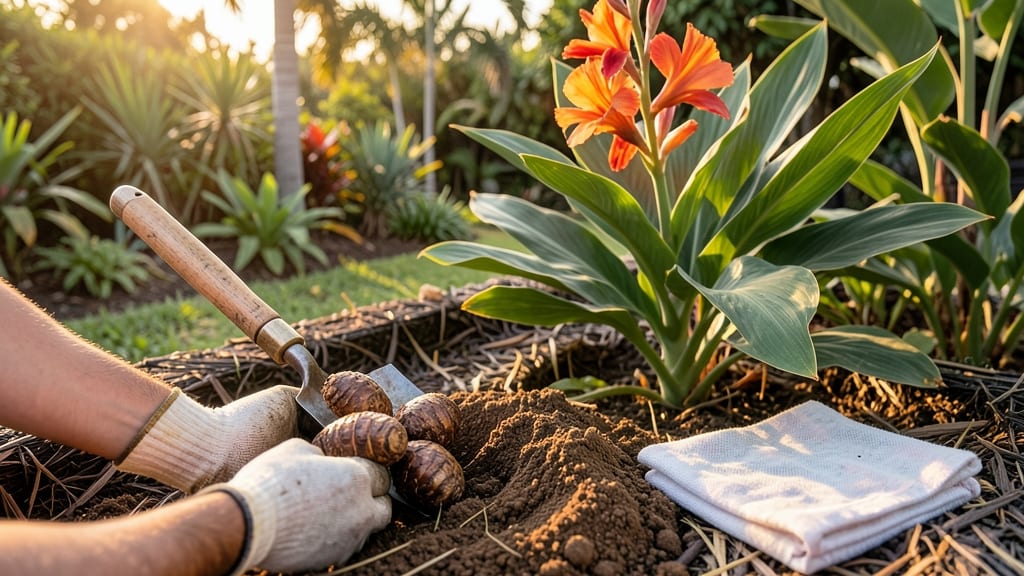
Planting your Canna Lily 🌺 bulbs at the wrong time in Michigan can mean the difference between a showstopping summer garden and a sad, wilted disappointment.
The key isn't just waiting for frost-free skies—it's knowing exactly when soil temperatures hit that sweet spot of 60°F or warmer, which usually lands in mid-May for most of the state.
If you've ever rushed to plant and watched your cannas struggle through cool soil, you know how frustrating it can be. Michigan's 5b-6b zones add another layer of complexity, with frost dates stretching from mid-April to early May depending on where you live.
Getting this timing right means your bold, tropical-looking blooms will thrive all summer long, not just survive.
I've learned the hard way that even a few weeks off can shorten your bloom season dramatically. That's why I'm sharing my exact strategy for pre-warming bulbs indoors, preparing soil just right, and knowing when to finally tuck those rhizomes into the ground for maximum impact.
Let's make sure your cannas put on a performance that lasts from June right through fall.
Whether you're in the Upper Peninsula or down in the Lower, we'll cover how to adjust for your specific microclimate.
You'll walk away knowing not just when to plant, but how to give your cannas the best possible start—so you can enjoy those stunning 🌺 blooms all season without the guesswork.
Michigan’s exact last frost dates and canna planting schedule by Zone
Michigan’s diverse climate means your last frost date can vary by up to 4 weeks depending on whether you’re in Zone 4 (Upper Peninsula) or Zone 6 (southern Michigan).
Cannas (Canna Lily) thrive in warmth, so planting too early risks frost damage, while planting too late cuts short their summer-long blooms. Let’s break down the exact weeks before your last frost to plant for optimal growth.
For Zone 5b (central Michigan), aim to plant canna rhizomes 2-3 weeks after your average last frost date. In Zone 6b (southern Michigan), you can plant 1-2 weeks earlier due to warmer soils.
The Upper Peninsula (Zone 4) requires waiting until 3-4 weeks after frost for soil to warm enough (60°F+).
Soil temperature is more critical than air temperature for cannas. Use a soil thermometer to confirm your garden beds have reached at least 60°F before planting. In cooler zones, consider pre-warming rhizomes indoors for 2-3 weeks before transplanting to jumpstart growth.
Here’s your zone-by-zone planting schedule based on Michigan’s historical frost dates and soil warming trends:
| Zone | Avg. Last Frost | Weeks Before Planting | Planting Window | Soil Temp Threshold |
|---|---|---|---|---|
| Zone 4 (Upper Peninsula) | May 15 | 3-4 weeks | June 15-30 | 60°F+ |
| Zone 5b (Central) | May 1 | 2-3 weeks | May 20-June 10 | 60°F+ |
| Zone 6b (Southern) | April 15 | 1-2 weeks | May 1-15 | 55°F+ |
*Adjust for microclimates (e.g., urban areas warm faster than rural zones).
In southern Michigan (Zone 6b), you can push the envelope and plant canna rhizomes as early as late April if you use black plastic mulch to warm the soil.
This trick raises soil temperatures by 5-10°F, creating a microclimate ideal for early planting. Just monitor for late frost warnings and cover young plants if needed.
For northern Michigan (Zone 4), consider starting cannas in containers indoors in early April. Move potted plants outdoors after Memorial Day (May 25) when frost risk drops significantly. This head start ensures cannas reach peak bloom before Michigan’s first frost in October.
Pro tip: Test your soil 1-2 weeks before planting. Cannas prefer well-draining, slightly acidic soil (pH 6.0-7.0). Amend heavy clay soils with compost or sand to improve drainage. In waterlogged areas, plant cannas in raised beds or containers to prevent root rot.
Remember, cannas are tender perennials—they won’t survive Michigan winters outdoors. Dig up rhizomes before the first frost (typically mid-October in Zone 4, early November in Zone 6) and store them in dry peat moss indoors until spring replanting.
By following these zone-specific timelines, you’ll give your cannas the best shot at bold, summer-long blooms—without the risk of frost damage. Happy planting! 🌺
5 Key factors that determine the best planting time for cannas in Michigan
When it comes to planting canna bulbs in Michigan, frost dates are just the beginning. The real secret lies in understanding soil temperature, humidity levels, and sunlight exposure.
I've learned that even if the air is warm, cool soil can stall your cannas for weeks—leaving you with half-hearted blooms instead of the dramatic 🌺 displays you crave.
Michigan's climate creates unique challenges, especially when comparing the Upper Peninsula to the Lower Peninsula. What works in Detroit might fail in Traverse City—or vice versa. That's why I focus on these five critical factors to help you pinpoint the perfect planting window for your specific location.
First, let's talk soil temperature. Cannas are tropical plants at heart, and they won't thrive in cool Michigan soil. I always wait until my soil thermometer reads 60°F or warmer at a depth of 3 inches—usually mid-May in most of the state.
In the Upper Peninsula, this might push planting into early June, while southern Michigan gardeners can start as early as late April in protected microclimates.
Next, pay attention to humidity levels. Michigan summers can swing from dry to muggy, and cannas prefer 40-60% humidity. If your area is particularly dry in early summer, consider planting near a water feature or using mulch to retain moisture.
I've seen cannas in western Michigan struggle during dry spells, while those in eastern Michigan near the Great Lakes thrive with natural humidity boosts.
Don't overlook sunlight exposure—cannas need 6-8 hours of direct sun daily to produce their signature 🌺 blooms. If you're planting in partial shade, you'll likely get more foliage but fewer flowers.
I always check my garden's sunlight patterns throughout the day, especially in June and July when Michigan's long summer days can create unexpected shade patterns.
For early vs. late summer adjustments, timing matters. Planting too early in April risks frost damage, while waiting until July might mean missing peak blooms. My strategy? Start canna rhizomes indoors in March for a head start, then transplant when soil warms.
This gives me 6-8 weeks of growth before Michigan's typical first frost in October.
Finally, consider your microclimate. Urban areas often stay warmer than rural spots, while lake-effect zones can have cooler nights. I've found that southern Michigan gardeners can plant 2-3 weeks earlier than those in the Upper Peninsula.
Always observe your garden's unique conditions—what works in Ann Arbor might not work in Marquette.