
Plants
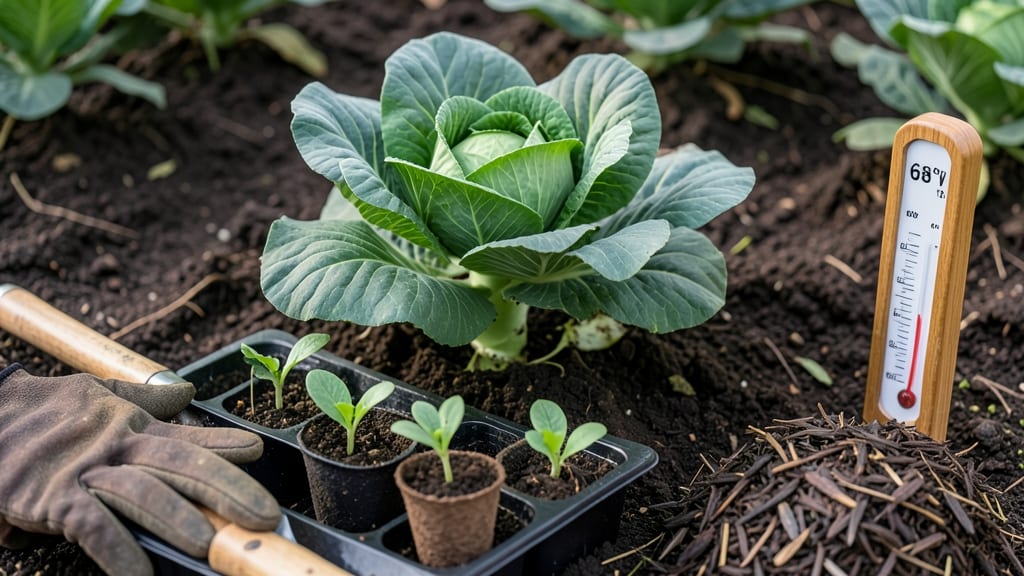
Planting cabbage in Zone 5 at the wrong time can mean the difference between a bountiful harvest of crisp 🥬 and a sad, wilted disappointment.
The key to success isn't just about throwing seeds in the ground—it's understanding when the soil is warm enough and how frost dates shape your planting schedule.
In Zone 5, where last frosts linger into mid-May, timing matters more than you might think. Start seeds indoors 4-6 weeks before your last frost date, or direct-sow in early spring when soil temperatures hit 45°F—but don't wait too long, or your cabbage will bolt before forming heads.
For a second crop, late summer is your window to plant for a fall harvest. This strategy lets you enjoy fresh 🥬 well into October, just before the first frost hits. I’ll show you exactly how to balance soil temps, frost dates, and variety choices to maximize your yield.
Whether you're a first-time gardener or a seasoned pro, these practical tips will help you avoid common mistakes and get the most out of your cabbage patch. Let’s dive into the perfect planting schedule for your Zone 5 garden.
Zone 5 cabbage planting timeline based on soil temperatures
In Zone 5, timing your cabbage planting to match soil temperatures between 45°F–75°F ensures strong seedlings and healthy heads. Too early, and frost will stunt growth; too late, and summer heat stresses plants.
The key is understanding your last frost date (typically mid-May in Zone 5) and adjusting for soil warmth.
For spring plantings, start indoor seedlings 4–6 weeks before your last frost date. Transplant them outdoors when soil reaches 45°F–50°F—usually late April to early May.
Fall plantings, however, require a different approach: sow seeds 7–8 weeks before the first frost (mid-October in Zone 5), aiming for soil temps of 60°F–70°F in late July to early August.
Why soil temperature matters: Cabbage roots struggle in cold, wet soil (<45°F) or hot, dry soil (>75°F). Use a soil thermometer to check—ideal temps for germination are 50°F–60°F. If your soil is too cold, wait; if it’s too hot, opt for shade cloth or drip irrigation to cool it down.
Here’s how to calculate your exact planting window using frost dates and soil temps:
For spring plantings, focus on early-maturing varieties like 'Golden Acre' (60 days) to harvest before summer heat sets in. Start seeds indoors in March (6–8 weeks before last frost) and harden them off before transplanting.
If your soil is still too cold (<45°F), delay planting or use black plastic mulch to warm it faster.
Fall cabbage, however, rewards patience. Plant 'January King' (90 days) or 'Late Flat Dutch' (85 days) in late July for a winter harvest. These varieties thrive in cool fall temps and can tolerate light frosts. Use row covers or cold frames to extend harvests into November or December.
Pro tip: Stagger plantings every 2 weeks in spring and 3 weeks in fall for a continuous harvest. This ensures you’re not overwhelmed with mature heads at once.
For example, sow half your seeds in late April and the other half in early May—this spreads out your harvest from June to August.
Watch for soil temperature fluctuations, especially in Zone 5’s unpredictable spring. If nights dip below 40°F, protect seedlings with frost cloth or straw mulch. In fall, soil temps drop faster—monitor daily and adjust watering to prevent bolting (premature flowering) from heat stress.
Remember, soil temperature is just one piece of the puzzle. Pair it with well-draining soil, rich compost, and consistent moisture to give your cabbage the best shot at success. With the right timing, you’ll enjoy crisp, homegrown heads all season long!
How to adjust cabbage planting for early vs. late varieties in Zone 5
In Zone 5, choosing the right cabbage varieties and adjusting planting times can mean the difference between a bountiful harvest and wasted effort. Early varieties like 'Golden Acre' mature in just 60-70 days, while late varieties like 'January King' take 90-100 days.
Your goal is to stagger plantings so you're harvesting fresh heads from summer through fall.
Fast-maturing varieties are perfect for early spring plantings (March–April) or late summer sowings (July–August). These give you quick harvests before heat stress sets in.
Slow-maturing types, however, need that extra time to bulk up, making them ideal for late summer transplants (July) to ensure they mature before first frost in mid-October.
| Variety Type | Days to Maturity | Best Planting Window | Harvest Window |
|---|---|---|---|
| Early (e.g., 'Golden Acre') | 60-70 days | March 15–April 15 or July 15–August 1 | June–August or September–October |
| Mid-Season (e.g., 'Market Prize') | 70-80 days | April 1–May 1 or July 1–July 15 | July–September or October |
| Late (e.g., 'January King') | 90-100 days | July 1–July 31 (transplants) | October–November |
For continuous harvests, start with early varieties in March, followed by mid-season types in April, and finish with late varieties in July. This staggered approach ensures you're always picking fresh heads.
If you're short on space, prioritize fall plantings—they often yield larger, sweeter heads in Zone 5's cooler weather.
Pro tip: Use row covers or cold frames to extend the season for late varieties. This can add 2-3 extra weeks of growing time before frost. Just be sure to remove covers during the day to prevent overheating and bolting—a common issue in hot summers.
Don't overlook soil fertility when planning your schedule. Early plantings benefit from compost-rich soil to jumpstart growth, while late plantings need balanced fertilizer (5-10-10) to support head formation. Test your soil in early spring to adjust pH to 6.5-7.0, the ideal range for cabbage.
Remember, Zone 5's short growing season demands precision. By matching varieties to planting times and using season-extending tools, you'll maximize your harvest and enjoy homegrown cabbage from summer through winter. 🥬