
Plants
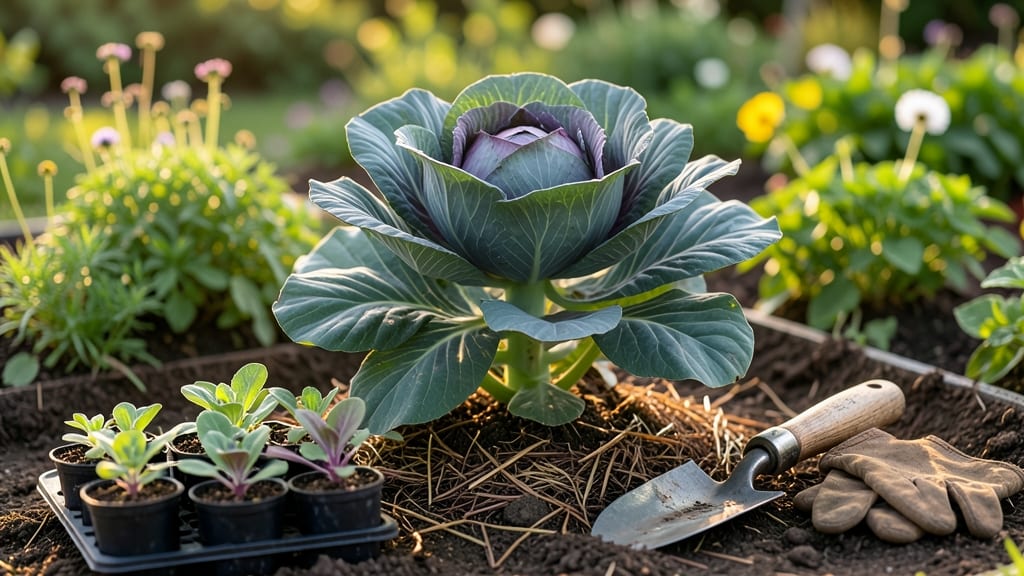
Planting cabbage in Utah feels like playing a game of frost-related roulette—get the timing wrong, and your 🥬 harvest could disappear overnight. The state’s dramatic shifts from freezing nights to scorching days mean your neighbors’ success stories might not apply to your microclimate.
Whether you’re in the Salt Lake Valley or a high-altitude town like Park City, knowing exactly when to plant is the difference between a bountiful garden and a wasted season.
I’ll break down Utah’s USDA zones 5-8 and show you how to adjust planting windows based on your local frost dates—no more guessing games.
From starting seeds indoors in February to transplanting in March-April for spring cabbage, or timing fall plantings for an October-November harvest, I’ve got the precise schedule you need. Plus, I’ll share Utah-specific tricks to protect your plants from late frosts or early heat.
Ready to grow crisp, flavorful cabbage that thrives in Utah’s unpredictable climate? Let’s get your planting calendar locked in for a foolproof harvest.
Utah’s frost-free planting zones for cabbage: when to start seeds vs. transplants
Utah’s USDA Plant Hardiness Zones 4-8 create a complex puzzle for cabbage growers, where a 3,000-foot elevation change between St. George and the Wasatch Front can shift frost dates by 4+ weeks.
Unlike heat-loving crops, cabbage thrives in cooler conditions, but late frosts or early bolting can ruin your harvest if you plant at the wrong time.
My 10+ years of Utah gardening taught me that microclimates matter more than general zone guidelines—what works in Cache County may fail in Salt Lake Valley.
The key to success lies in understanding two critical windows: indoor seed starting (4-6 weeks before last frost) and transplanting outdoors (2-3 weeks before last frost).
For Utah, this means late February to early March for seed starts in Zone 5 (northern Utah) and early March to mid-March for Zone 7 (southern Utah).
But here’s the catch: cold-hardy varieties like ‘Wisconsin Winter’ can handle 28°F temps, while heat-sensitive types like ‘Golden Acre’ bolt when soil temps exceed 80°F.
| Zone/Region | Last Frost Date | Indoor Seed Start | Transplant Outdoors | Fall Planting Window | Best Varieties |
|---|---|---|---|---|---|
| Zone 4 (Logan, Ogden) | May 10-20 | Feb 20 - Mar 5 | Apr 15 - May 1 | Aug 1 - Aug 20 | ‘Wisconsin Winter’, ‘Red Express’ |
| Zone 5 (Salt Lake Valley) | Apr 20 - May 5 | Feb 25 - Mar 10 | Mar 25 - Apr 10 | Aug 10 - Sep 1 | ‘Golden Acre’, ‘Cavalo’ |
| Zone 6-7 (Provo, Park City) | Apr 10 - Apr 25 | Mar 1 - Mar 15 | Mar 10 - Mar 25 | Aug 15 - Aug 30 | ‘Red Express’, ‘Savoy King’ |
| Zone 7-8 (St. George, Moab) | Mar 1 - Mar 15 | Jan 20 - Feb 10 | Feb 15 - Mar 1 | Jul 15 - Jul 30 | ‘Golden Acre’, ‘Tendercrunch’ |
In northern Utah (Zones 4-5), where last frosts can linger until May, I’ve found that ‘Wisconsin Winter’ is my go-to variety because it tolerates light frosts and bolting risks are lower in cooler summers.
Start seeds indoors by February 20 and transplant after April 15 to avoid cold soil damage. For southern Utah (Zones 7-
How Utah’s microclimates shift cabbage planting deadlines by 3+ weeks
Utah’s diverse elevations create planting windows that can shift by 3-4 weeks between regions. In high-desert valleys like St. George (Zone 8), cabbage thrives with fall planting starting in early August, while mountain communities like Logan (Zone 5) need mid-May transplants to avoid frost.
These differences mean your neighbor’s successful harvest could be a failed gamble in your garden.
Understanding these shifts isn’t just about last frost dates—it’s about bolting risks. Cabbage planted too early in Southern Utah’s heat (like Moab) bolts by June 15, while Northern Utah’s cooler springs delay bolting until July 10.
The key is matching variety tolerance to your microclimate’s temperature extremes.
Comparison Table for Utah’s Cabbage Planting Windows by Region
| Region | USDA Zone | Spring Planting Window | Fall Planting Window | Last Frost Risk | Bolting Risk |
|---|---|---|---|---|---|
| Northern Utah (Logan, Ogden) | Zone 5-6 | April 15-May 15 | August 1-15 | May 10-20 | July 10-Aug 5 |
| Salt Lake Valley | Zone 6-7 | April 1-May 10 | July 20-Aug 10 | April 25-May 5 | June 20-July 5 |
| Southern Utah (St. George, Moab) | Zone 7-8 | March 15-April 1 | August 10-Sept 5 | March 20-April 5 | June 15-July 1 |
To extend your Utah cabbage season, use row covers in high-elevation areas to push fall planting to September 1. In warmer valleys, shade cloth (30-50%) prevents premature bolting during June heatwaves.
My go-to trick is planting ‘Wisconsin Winter’ (cold-hardy) in October under hoop tunnels—it survives 20°F nights and produces tender heads by Christmas.
For late-summer bolting prevention, monitor soil temperatures—cabbage bolts when roots hit 80°F+. In St. George, I water deeply at dusk to cool soil and use mulch to insulate roots. This 3-step method adds 4-6 weeks to your harvest window.
Remember: Utah’s microclimates aren’t just about frost dates—they’re about heat spikes, wind exposure, and soil drainage. Test your garden’s unique conditions for 2 years to refine your planting calendar. The perfect timing becomes second nature once you master your microclimate’s quirks.
🥬