
Plants
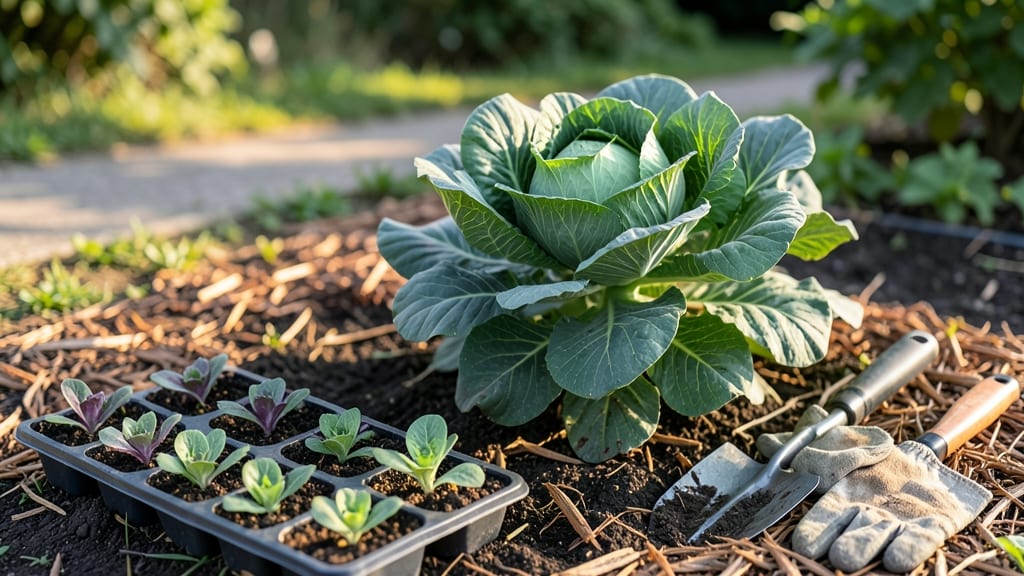
Planting cabbage in South Carolina’s Heat Zone 8A feels like walking a tightrope—get the timing wrong, and you’ll either watch your plants bolt in the heat or struggle with stunted growth from late starts. The key to crisp, flavorful heads lies in understanding when to plant, not just how.
For gardeners here, that means two critical windows: early spring and late summer, each with its own tricks to beat the humidity and heat.
Most gardeners in USDA Zone 7b-8a swear by starting seeds indoors 6–8 weeks before the last frost (usually mid-March), but even that isn’t foolproof. South Carolina’s unpredictable spring weather can throw off your schedule, so knowing the exact temperature thresholds—like avoiding soil above 80°F—isn’t just helpful, it’s essential.
And if you’re aiming for a fall harvest, late July or August plantings can work, but only if you’re prepared for the heat stress that triggers bolting.
What sets successful cabbage growers apart isn’t just luck—it’s strategy. Whether you’re planting early varieties like ‘Golden Acre’ for spring or heat-tolerant types like ‘Cavalo’ for fall, the right timing paired with shade cloth or row covers can extend your season.
I’ll show you how to adjust for South Carolina’s humid subtropical climate, so you can avoid the common mistakes that leave gardeners pulling their hair out by summer.
Ready to grow cabbage that’s bolting-free and ready to harvest? Let’s dive into the perfect planting schedule, soil prep, and heat-beating tips tailored just for your South Carolina garden. Your crisp, homegrown 🥬 awaits—if you time it right.
Optimal planting windows for cabbage in South Carolina’s heat zone 8A
South Carolina’s Heat Zone 8A presents unique challenges for growing cabbage, where summer heat can trigger bolting (premature flowering). The key to success lies in planting during cooler months—either early spring or late summer—when temperatures stay below 75°F (24°C).
Timing directly impacts your harvest window, which typically spans May–July for spring plantings and October–December for fall crops.
To avoid disappointment, I’ve broken down the exact planting windows, temperature thresholds, and methods (direct sowing vs. transplants) tailored to South Carolina’s climate. Whether you’re a beginner or experienced gardener, these insights will help you maximize yields and minimize bolting risks.
📅 Spring Planting: Start seeds indoors 6–8 weeks before your last frost (typically mid-February to early March). Transplants can go into the garden 4–6 weeks before last frost (late February to early April). Direct sowing works after soil warms to 40°F (4°C), usually by mid-March.
| Planting Window | Method | Temperature Threshold | Harvest Window | Key Notes |
|---|---|---|---|---|
| Early Spring (Feb–Mar) | Indoor Start | Soil: 40°F+ (4°C+) | May–July | Transplant after last frost; avoid summer heat. |
| Late Summer (Jul–Aug) | Direct Sow or Transplant | Soil: 60°F+ (15°C+) | Oct–Dec | Use shade cloth if temps exceed 85°F (29°C). |
| Avoid Summer Planting | N/A | >75°F (24°C) | Bolting likely | Heat stress triggers flowering; skip June–August. |
| Succession Planting | Every 2–3 Weeks | Cool seasons only | Staggered harvests | Extend season with short-season varieties like ‘Early Jersey Wakefield.’ |
For spring plantings, prioritize cold-hardy varieties like ‘Golden Acre’ or ‘Cavalo,’ which tolerate light frosts and mature quickly. Start seeds indoors under grow lights or in a sunny window to give them a head start. Transplants should be 4–6 weeks old and hardened off before moving outdoors.
If you prefer fall harvests, focus on late July to early August plantings. Choose heat-tolerant varieties such as ‘Crimson Globe’ or ‘Red Express,’ which handle South Carolina’s humidity better than standard types. Use shade cloth (30–50%) during peak afternoon heat to prevent bolting.
Direct sowing works for both seasons but requires consistent soil moisture and protection from pests like cabbage worms. Sow seeds ½ inch deep and 1 inch apart, thinning seedlings to 12–18 inches apart once they’re 3–4 inches tall. This spacing ensures good airflow and reduces disease risk.
One common mistake in Heat Zone 8A is planting too late in spring, which exposes cabbage to summer’s oppressive heat. By June, daytime temps often exceed 90°F (32°C), triggering bolting within 2–3 weeks.
To avoid this, I recommend stopping spring plantings by early April and shifting focus to fall prep.
For transplants, purchase 6–8 week-old seedlings from local nurseries or reputable online sellers. Look for healthy, stocky plants with dark green leaves and no signs of yellowing or pests. Acclimate them to outdoor conditions over 5–7 days by gradually increasing their time outside.
Pro tip: Use mulch (straw or shredded leaves) to retain soil moisture and regulate temperature. In South Carolina’s humidity, mulch also helps prevent soil-borne diseases like clubroot. Apply a 2–3 inch layer around plants, keeping it away from the stem to avoid rot.
Finally, monitor weather forecasts for unexpected heatwaves or early frosts. If
How to extend your cabbage season in South Carolina’s climate
South Carolina’s humid subtropical climate means cabbage can bolt quickly if you’re not careful. But with the right strategies, you can extend your harvest window by weeks—even months! The key is balancing heat protection, cold tolerance, and succession planting to keep your garden productive year-round.
I’ve grown cabbage here for years, and the difference between a short-lived spring harvest and a long, continuous yield comes down to timing and protection. Whether you’re aiming for earlier spring crops or late-fall harvests, these proven methods will work for you.
- 1 Use row covers in late summer (August-September) to protect seedlings from 90°F+ heat that triggers bolting. Opt for floating row covers with 30-50% shade to maintain airflow.
- 2 Plant cold-hardy varieties like ‘Cavalo’ (70 days) or ‘Golden Acre’ (60 days) in October-November for winter harvests. These tolerate 28°F without protection.
- 3 Succession plant every 2 weeks from February to September. Sow 6-8 seeds every 14 days in 6-inch deep holes to ensure a rolling harvest.
- 4 Companion plant with bush beans or radishes to improve soil and deter pests. Avoid planting near tomatoes or strawberries, which compete for nutrients.
- 5 Harvest strategically: Pick outer leaves first to extend the plant’s life. For head cabbage, harvest when firm and compact (typically 60-80 days after transplanting).
For early spring extensions, start seeds indoors in January under grow lights and transplant 4-6 weeks before your last frost (typically mid-March). Use black plastic mulch to warm the soil faster and give seedlings a head start.
In late summer, focus on shade protection. A 30% shade cloth can drop soil temperatures by 10-15°F, preventing bolting. Pair this with daily afternoon watering to keep roots cool—this combo has extended my fall harvests by 3-4 weeks.
Don’t overlook companion planting—it’s a game-changer. I’ve found that marigolds planted around cabbage deter cabbage moths, while onions repel cabbage root flies. This reduces stress on your plants, letting them focus on head formation instead of fighting pests.
With these strategies, you can enjoy fresh cabbage from March through December—no more rushing to harvest before the heat sets in! The secret? Plan ahead, protect your plants, and keep sowing.