Plants
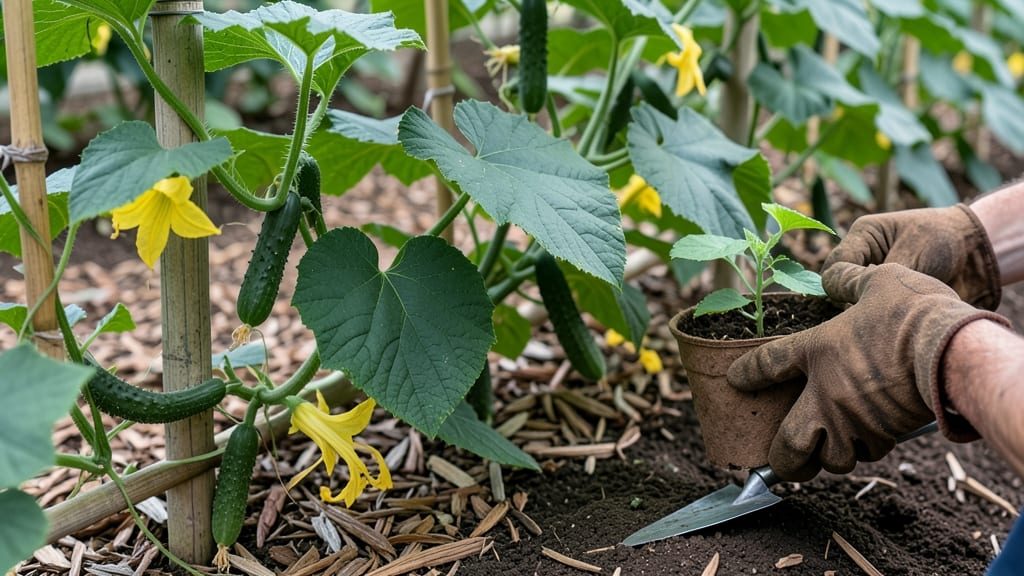
Timing your cucumber planting in Central Florida isn't just about avoiding frost—it's about beating the brutal summer heat that can turn your 🥒 harvest into a sad, wilted memory. The key to success? Planting when soil temperatures are just right, not when the calendar says spring.
I've learned the hard way that waiting too long means battling heat stress, while planting too early risks frost damage—neither of which you want when you're dreaming of crisp cucumbers on your table.
Central Florida's 9b climate gives us a unique advantage with its long growing season, but that also means we need to work with—not against—the heat.
The best window to start your cucumbers is February through March, once soil warms to at least 60°F, giving plants a head start before temperatures climb.
But here's the secret: you can actually plant a second crop in August-September for a fall harvest, if you choose heat-tolerant varieties and provide some afternoon shade.
What makes this even more exciting is that you don't need to be a seasoned gardener to get great results.
With the right preparation—like using black plastic mulch to warm the soil and selecting varieties bred for Florida's heat—you can enjoy fresh cucumbers from April through June and again in October-November.
I'll show you exactly which varieties perform best in our climate and how to keep your plants thriving even when the mercury rises.
Ready to stop guessing and start growing? Let's break down the exact planting schedule, soil prep tips, and care routines that will transform your garden into a cucumber-producing powerhouse—no matter how hot it gets. Your taste buds (and your dinner plate) will thank you.
Best planting times for cucumbers in Central Florida’s climate zones
Central Florida’s USDA zones 8b-9a offer a long growing season—but cucumbers need precise timing to thrive. The key is avoiding heat stress while maximizing your 275 frost-free days. With soil temperatures often exceeding 85°F in summer, strategic planting ensures sweet, bountiful cucumbers instead of bitter, stunted plants.
Most gardeners focus on spring planting (February-March), but Central Florida’s climate also allows for a fall harvest (August-September). The difference between success and failure often comes down to soil warmth, humidity management, and choosing heat-tolerant varieties. Let’s break down the exact windows and conditions for each season.
🌱 Critical Rule: Never plant cucumbers when soil temps are below 60°F—they won’t germinate. Use a soil thermometer to confirm readiness. In Central Florida, this typically means waiting until mid-February for spring plantings and late August for fall.
| Season | Planting Window | Soil Temp (°F) | Air Temp (°F) | Key Tips |
|---|---|---|---|---|
| Spring | Mid-February to early March | 60-70°F | 70-85°F | Use black plastic mulch to warm soil; plant after last frost (Jan 15). |
| Summer | Direct sow in August (avoid June-July heat) | 75-85°F | 85-95°F (with shade) | Provide afternoon shade; choose heat-tolerant varieties like 'Straight Eight'. |
| Fall | Late August to early September | 65-75°F | 75-85°F | Harvest before first frost (Dec 15); succession plant every 2 weeks. |
| Year-Round | Greenhouse or container | 60-85°F | Controlled | Use grow lights; monitor humidity to prevent powdery mildew. |
For spring plantings, aim to sow seeds 4-6 weeks before your average last frost date (January 15 in Central Florida). This gives seedlings time to establish roots before soaring March temperatures. Start seeds indoors if you’re eager—just transplant outdoors once nighttime temps stay above 55°F.
Summer planting is trickier. Cucumbers hate extreme heat—temperatures above 90°F cause bitter fruit and poor germination. That’s why August is your best bet: soil has cooled slightly, and humidity is still high.
If planting in June or July, provide 30% shade cloth during peak afternoon sun (12 PM–4 PM).
Fall plantings reward patience. By late August, daytime highs drop to the mid-80s°F, creating ideal conditions. For a continuous harvest, make succession plantings every 2 weeks until September 15. This extends your harvest window into November, just before the first frost (December 15).
Pro Tip: Use row covers for early spring/fall plantings to protect from unexpected cold snaps. Central Florida’s microclimates can vary wildly—what’s 80°F in Orlando might be 65°F in Ocala. Always check your local weather station for real-time data.
One common mistake? Planting too early in January. While Central Florida rarely sees frost, cool soil temps (<55°F) slow germination to a crawl. Seedlings may emerge weeks late, missing the optimal spring harvest window. Wait for soil warmth—your cucumbers will thank you with faster growth and bigger yields.
If you’re growing cucumbers in containers, adjust your timing slightly. Pots heat up faster, so plant 1-2 weeks later than in-ground beds. Use self-watering containers to maintain consistent moisture, which is critical when temps exceed 90°F.
Container-grown cucumbers also benefit from vertical trellises to improve airflow and reduce disease risk.
Remember: Central Florida’s humidity is a double-edged sword. While it helps cucumbers grow faster, it also fuels fungal diseases like powdery mildew. Space plants 2 feet apart and water at soil level (not overhead) to keep foliage dry.
For extra protection, apply a copper fungicide spray every 10 days during peak humidity months (June-September).
🌿 Final Harvest Timeline:
- Spring: First cucumbers ready by late April
- Summer: Peak harvest in September (with shade)
- Fall: Last cucumbers ripe by
Heat-tolerant cucumber varieties that thrive in Central Florida’s summer heat
Central Florida’s summer heat can turn cucumber plants into wilted messes—but the right varieties thrive under 90°F+ temperatures. I’ve grown these heat-tolerant cucumbers for years, and they consistently produce even when other plants struggle.
The key is choosing disease-resistant types with high heat tolerance and quick maturation to beat the humidity.
For my garden, I prioritize varieties that handle powdery mildew (common in Florida’s heat) while delivering consistent yields. Whether you’re growing in raised beds or containers, these five cucumbers won’t let you down. Let’s dive into the top performers and where to find them locally.
The Straight Eight cucumber is my go-to for summer planting. This variety handles 95°F+ temperatures like a champ and produces 8-inch dark green cucumbers with minimal disease pressure. I’ve seen it yield 20+ cucumbers per plant in a single season when given consistent moisture and a trellis for support.
Next up is Marketmore 76, a heirloom favorite that thrives in Florida’s heat and humidity. Its blocky shape makes it perfect for slicing, and it matures in just 50-55 days.
I plant this variety in late July to avoid early-season pests while still getting a fall harvest before frost.
For something different, try Lemon Cucumber (Cucumis melo var. flexuosus). These yellow-skinned cucumbers taste like a cross between cucumber and honeydew and love the heat.
They’re disease-resistant and produce curved, lemon-shaped fruits that stay crisp even in 100°F+ conditions. I grow them in shade cloth during peak afternoon sun to prevent sunscald.
If you prefer bush varieties for smaller spaces, Bush Champion is a compact powerhouse. It matures in 55 days and produces high yields without needing a trellis. I’ve grown it in 5-gallon containers on my patio with great success, even during August’s brutal heat waves.
Just be sure to mulch heavily to retain moisture.
Finally, Armenian Cucumber (Cucumis melo var. conomon) is a heat-loving variety that thrives in Florida’s climate. Its long, slender fruits are crisp and sweet and grow prodigiously in the heat.
I plant this one in early September for a late-season harvest and often let some fruits overripe to make homemade pickles—they’re perfectly balanced in flavor.
To source these varieties locally, check out Florida-based seed companies like Southern Exposure Seed Exchange or Baker Creek Heirloom Seeds. For organic options, High Mowing Organic Seeds carries heat-tolerant cucumbers too.
If you’re in Orlando or Tampa, visit local nurseries like The Plant Farm or Florida Bulb for ready-to-plant seedlings in summer.