
Plants
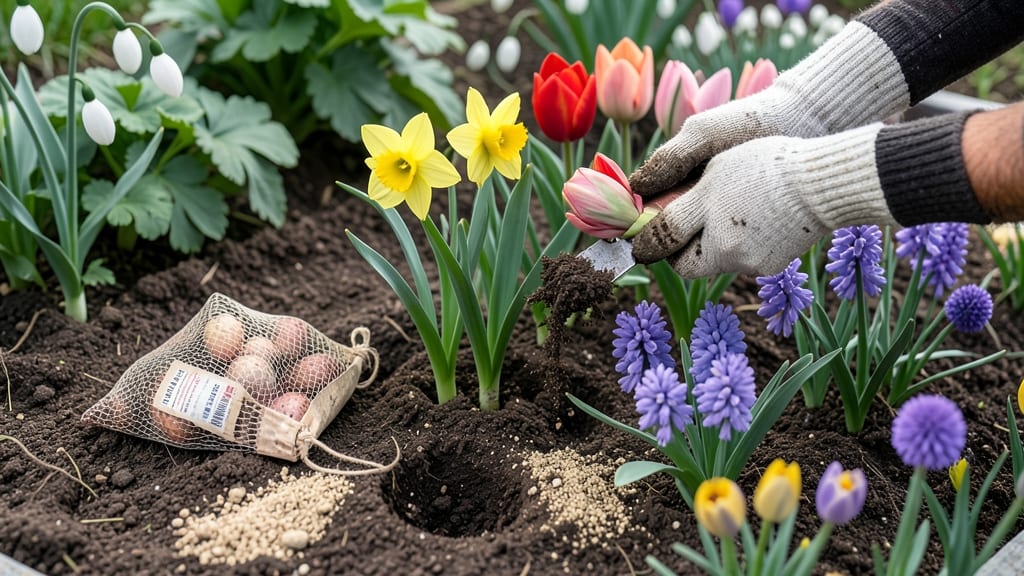
Planting your 🌷 Spring-Planted Bulbs at the right time means the difference between a garden bursting with color and months of disappointment. The key isn't just checking a calendar—it's understanding your local chill hours and soil conditions to give those bulbs the perfect start.
In Zone 6a, where frost lingers until mid-April, timing matters more than you might think. Plant too early, and your bulbs could rot in cold, wet soil. Too late, and you'll miss the ideal window for vibrant blooms by late spring.
Let me show you exactly how to nail that sweet spot for tulips, daffodils, and other favorites.
We'll break down the science behind chill hours and soil temperature, plus regional adjustments so you can plant with confidence. Whether you're a first-time gardener or a seasoned pro, these practical steps will help you avoid common mistakes and set your garden up for success.
Ready to transform your yard into a springtime paradise? Let's dive into the timing secrets that will have your bulbs thriving—and blooming—right on schedule.
How to determine the best planting time using chill hours
Planting spring bulbs at the right time ensures vibrant blooms, but timing isn’t just about checking a calendar. Chill hours—the number of hours below 45°F (7°C) that bulbs need—dictate when they’ll break dormancy.
For example, tulips typically require 12–16 weeks of chill hours, while daffodils need 10–14 weeks. Without enough cold exposure, bulbs may sprout leaves but fail to flower.
Your USDA hardiness zone plays a critical role. In Zone 5 or colder, bulbs often get enough chill hours naturally, so planting in fall (6–8 weeks before frost) works perfectly. But in Zone 7 or warmer, where winters are milder, bulbs may not receive sufficient chill.
This is why gardeners in these areas sometimes pre-chill bulbs in a refrigerator for 8–12 weeks before planting.
To calculate chill hours for your area, check local weather records or use a chill hour calculator. For instance, Seattle (Zone 8) averages 800–1,000 chill hours, while Atlanta (Zone 7b) gets around 500–700 hours.
Bulbs like hyacinths, which need 15–18 weeks of chill, may struggle in warmer climates unless pre-chilled.
Here’s how chill hours translate to planting windows by region. Use this summary table as a quick reference before digging in:
Beyond chill hours, soil temperature is another critical factor. Bulbs should be planted when soil is below 60°F (15°C) but not frozen. Use a soil thermometer to check—ideal temps for planting are 40–50°F (4–10°C).
In Zone 6, this often aligns with October–November, while Zone 9 gardeners may wait until January–February.
Don’t overlook moon phases, a trick many bulb gardeners swear by. Planting during the waxing moon (when the moon is growing) is said to encourage stronger root growth.
For example, if your last frost date is March 15, aim to plant bulbs during the waxing gibbous phase in late February to align with natural growth cycles.
To verify your local readiness, create a simple planting checklist: ☑️ Check your USDA zone and chill hour requirements. ☑️ Confirm soil temperature is below 60°F (15°C). ☑️ Note your last frost date and plant 6–8 weeks before it. ☑️ Pre-chill bulbs if your winter is too mild. ☑️ Plant during the waxing moon for optimal growth.
If you’re in a transition zone (e.g., Zone 7b), err on the side of planting earlier rather than later. Bulbs planted too late may not establish roots before spring warmth triggers premature sprouting, leading to weak or no blooms.
For container gardening, use well-draining pots and place them in a sheltered spot to protect bulbs from extreme temps.
Remember, bulb varieties differ in their chill hour needs. For instance, crocuses and snowdrops are early bloomers and can handle less chill than tulips or alliums. Always check the seed packet or bulb catalog for specific recommendations to avoid disappointment.
By mastering chill hours, soil temps, and
Spring bulb planting timeline by popular varieties (with regional adjustments)
Timing is everything when it comes to planting spring bulbs. While many gardeners assume "spring" means March or April, the best planting window depends on your USDA zone and the specific bulb variety.
Early bloomers like crocuses need a head start, while tulips and daffodils thrive when planted slightly later. Miss the window, and you might delay blooms—or worse, risk rot in soggy soil.
Your last frost date is your planting deadline. Most spring bulbs should go in the ground 6–8 weeks before the first frost, giving roots time to establish before winter. In Zone 6 (like much of the Midwest), that’s typically October for fall planting or early March for spring.
But in warmer Zone 8, you might plant as late as December or even early January.
| Bulb Variety | Ideal Planting Window (Zone 6) | Adjustments for Warmer Zones (7-8) | Critical Deadline |
|---|---|---|---|
| Crocus | Early October | November–December | 6 weeks before frost |
| Daffodils | Mid-October | December–January | 8 weeks before frost |
| Tulips | Late October | January–February | 10 weeks before frost |
| Hyacinths | Early November | February–March | 12 weeks before frost |
| Allium | Late October | January | 8–10 weeks before frost |
Avoid the mistake of planting tulips too early in cold climates—they’ll rot in frozen soil. Instead, wait until the ground is cool but workable (around 40–50°F).
For daffodils, which are more cold-hardy, you have a slightly longer window, but don’t delay past early December in Zone 6 or risk weak blooms.
In Southern regions (Zones 7–8), where winters are milder, you can plant spring bulbs as late as January or February. The key is ensuring the soil stays consistently cool (below 60°F) for root development.
Use a soil thermometer to check—if it’s warming too fast, delay planting or use shade cloth to protect the area.
Pro tip: Layer bulbs for extended blooms. Plant crocuses first (deepest), then daffodils, followed by tulips (shallowest). This creates a staggered bloom time from early spring to late spring. Just remember to mark your planting spots to avoid disturbing roots when new growth appears.
If you’re in Zone 5 or colder, aim to plant by mid-October at the latest. The ground freezes faster, leaving less time for roots to establish. For hyacinths, which need even more chill time, start planting by early November in cooler zones to guarantee vibrant blooms.