
Plants
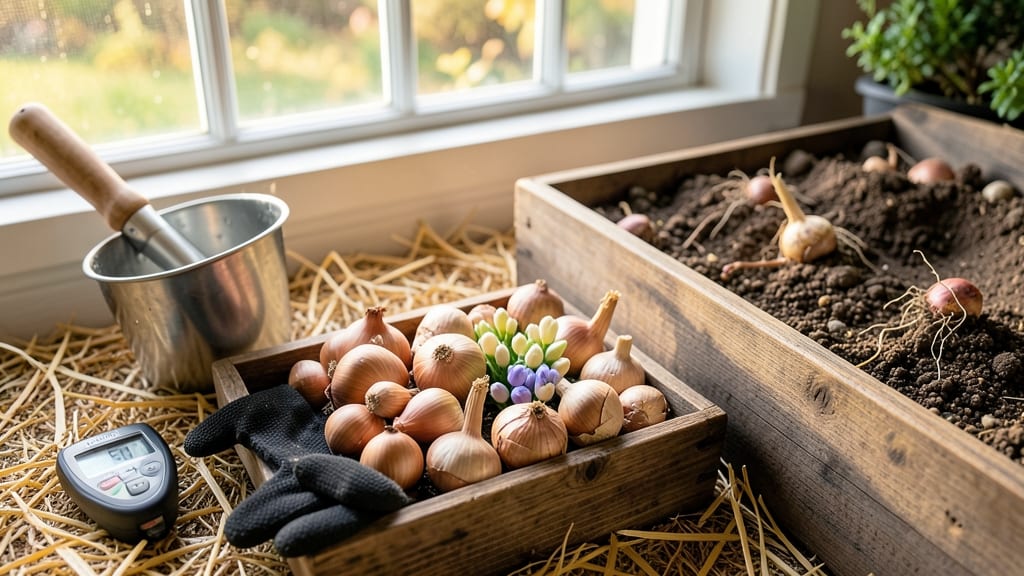
Planting bulbs at the perfect time in fall can mean the difference between vibrant spring blooms and a season of disappointment. The key? Timing it 6-8 weeks before your first frost—when soil temps drop but haven’t frozen solid.
In USDA Zone 6a, that window typically opens in mid-September, but even a few days off can throw off your bulbs’ chill-hour needs.
Most gardeners assume "early fall" means "as soon as possible," but rushing can trigger premature sprouting that gets nipped by frost. Instead, think of it like matching your bulbs to your climate’s chill-hour recipe.
Too little cold, and they’ll bloom late or weakly; too much, and they might rot before spring. The sweet spot? Cool soil and crisp air that signal bulbs it’s time to settle in for winter.
Here’s the game-changer: your local frost dates aren’t the only factor. Soil temperature, bulb type, and even your yard’s microclimate (shady spots stay cooler longer) play a role.
I’ll walk you through how to read your zone’s chill-hour data, adjust for early/late frosts, and pick the ideal planting window—so you’re not left guessing whether your 🌱 bulbs will thrive or flop.
Ready to avoid the most common mistakes? We’ll cover everything from soil prep to depth, so your bulbs get the perfect head start. Let’s turn your fall planting into next year’s showstopper.
Fall bulb planting timeline by hardiness zone and chill-hour needs
Getting your fall bulb planting right means understanding your USDA hardiness zone and the chill-hour requirements of each bulb type. Plant too early, and bulbs may sprout prematurely.
Plant too late, and they won’t get enough winter chill to bloom. The key is matching your local frost dates with the 6-8 week window before ground freeze.
For example, tulips and hyacinths need 12-16 weeks of chill, while daffodils thrive with just 8-10 weeks. Your zone 5 garden might plant daffodils in October, but tulips need to go in by September. Here’s how to nail your timing by zone.
Chill-hours measure the cumulative hours below 45°F (7°C) your bulbs need to trigger blooming. Check your bulb packaging—most list their exact requirement. If you’re in zone 7, a 16-week chill bulb like grape hyacinths should go in by mid-September, while 8-week chill daffodils can wait until October.
| USDA Zone | First Frost Date | Planting Window | Bulbs for 8-10 Weeks Chill | Bulbs for 12-16 Weeks Chill |
|---|---|---|---|---|
| 3-4 | Mid-September | Late August to early September | Daffodils, Snowdrops | Tulips, Hyacinths, Crocus |
| 5-6 | Mid-October | Mid-September to early October | Daffodils, Alliums | Tulips, Grape Hyacinths |
| 7-8 | Mid-November | Late September to mid-October | Daffodils, Fritillaria | Tulips, Hyacinths, Muscari |
| 9-10 | Early December | October to early November | Daffodils, Cyclamen | Miniature Tulips, Hyacinths |
Adjust dates 1-2 weeks earlier for high-altitude gardens or later for coastal/microclimates.
If you’re in zone 9 or 10, where winters are mild, focus on low-chill bulbs like daffodils or miniature tulips. These varieties bloom reliably with just 8-10 weeks of chill.
In warmer microclimates, plant bulbs in containers and move them to a cool garage during winter to simulate chill.
For zone 3-6 gardens, prioritize tulips and hyacinths, which need 12-16 weeks of cold. Plant them by late August to early September to ensure they get enough winter chill.
In zone 7-8, where winters are shorter, opt for daffodils and alliums—they’re more forgiving if planted slightly late.
Pro tip: Use a soil thermometer to check when soil temps drop to 60°F (15°C)—the ideal time to plant. In urban areas, where pavement can delay frost, plant 2-3 weeks earlier than rural zones.
Always mulch heavily after planting to protect bulbs from freeze-thaw cycles that can damage roots.
Don’t forget to amend your soil before planting. Bulbs need well-draining soil to prevent rot. Mix in compost or sand if your soil is heavy clay. Plant bulbs 3x deeper than their height (e.g., a 2-inch daffodil bulb goes 6 inches deep).
After planting, water deeply once to settle the soil, then let nature take over. Avoid fertilizing in fall—bulbs need to focus on root growth, not foliage. Come spring, you’ll be rewarded with vibrant blooms if you’ve matched your bulbs to your zone’s chill hours.
🌱
How to calculate your local chill-hours for perfect bulb timing
Matching your fall bulb planting to your region's chill-hour requirements is the difference between spring blooms and wasted bulbs. Many gardeners rely on hardiness zones alone, but chill-hours—the total hours below 45°F (7°C)—tell the full story.
Without this data, you might plant tulips too early in warm zones or daffodils too late in cold ones.
Start by checking the chill-hour range on your bulb packaging. For example, tulips often need 1,000–1,500 chill-hours, while hyacinths thrive with 1,500–2,000 hours. If your region falls short, opt for low-chill varieties or adjust planting dates to extend exposure.
For example, in USDA Zone 7 (like Atlanta, GA), average chill-hours are 1,200–1,500. Here, tulips (1,500+ hours) may need early October planting, while crocuses (500–1,000 hours) can wait until November. Always double-check local variations—even neighboring towns can differ by 300+ chill-hours.
Pro tip: Bookmark NOAA's Climate Data and your bulb supplier's chill-hour chart for quick reference. With this method, you’ll avoid the heartbreak of bulbs sprouting too soon or rotting in soggy soil—guaranteeing vibrant spring blooms every time. 🌱