
Plants
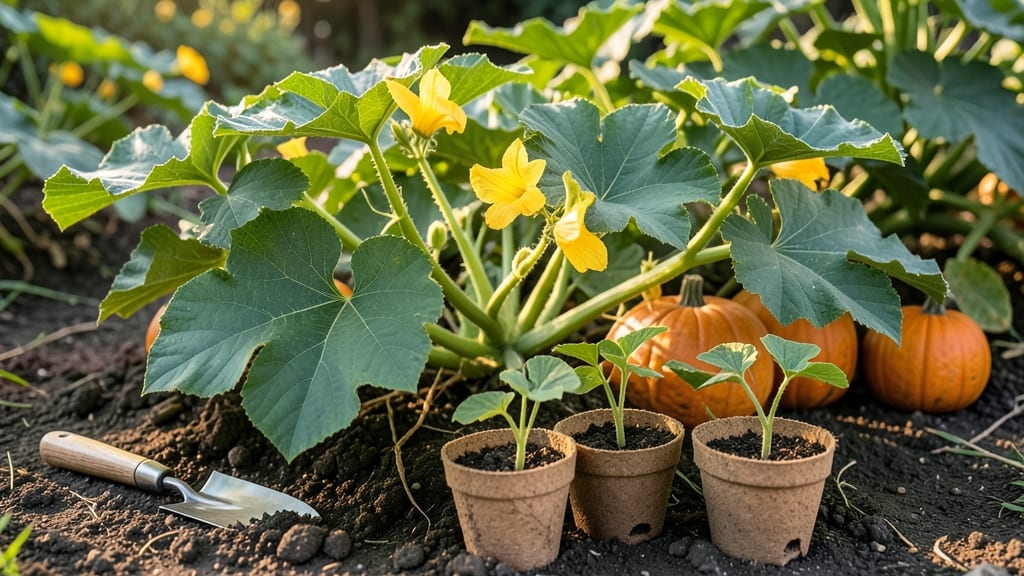
Planting pumpkins in Indiana isn't just about grabbing seeds and sticking them in the ground—timing is everything if you want a reliable harvest of those 🎃 giants you're dreaming of.
With Indiana's USDA zones 5b-6b and unpredictable frosts, waiting too long or planting too early can mean the difference between a bountiful patch and a sad, wilted vine.
Most gardeners in Indiana swear by planting after the last frost date, which typically lands between mid-April and early May, but soil temperature plays an even bigger role.
Your pumpkin seeds need consistent warmth—at least 55°F—to germinate, and waiting for that sweet spot means the difference between a thriving plant and one that gives up before summer even begins.
Whether you're starting seeds indoors for an early jump or sowing directly into your garden beds, I'll walk you through the best planting windows for Indiana's climate, including how to adjust for your specific corner of the state.
You'll also discover how to protect your young plants from late frosts and extend the growing season for that perfect late-summer harvest.
Ready to grow pumpkins that outshine the jack-o'-lanterns at the county fair? Let’s get you planted at the perfect time so you can enjoy homegrown pumpkins from your garden all season long.
Indiana’s ideal pumpkin planting timeline by soil temperature & frost dates
Planting pumpkins in Indiana isn’t just about waiting for spring—it’s about soil temperature, frost dates, and your specific USDA zone. Northern Indiana (zones 5b-6a) faces earlier frosts than Southern Indiana (zones 6a-6b), which means your planting window could shift by 2-3 weeks.
The golden rule? Wait until soil temps hit 55°F+ consistently and the last frost has passed.
Indiana’s average last frost dates range from April 15 in Southern Indiana to May 1 in Northern Indiana. But don’t rely on averages—check the Purdue Extension frost calendar or use a soil thermometer to confirm.
Planting too early risks frost damage or slow germination, while waiting too long may cut your harvest short.
Here’s your Indiana pumpkin planting timeline broken down by region, soil conditions, and frost risk:
| Region | USDA Zone | Last Frost Date | Soil Temp Threshold | Ideal Planting Window | Backup Window |
|---|---|---|---|---|---|
| Northern Indiana | 5b-6a | April 20–May 1 | 55°F+ (13°C+) | May 10–June 15 | June 1–July 1 (fast varieties) |
| Central Indiana | 6a | April 15–April 25 | 55°F+ (13°C+) | April 25–May 30 | May 15–June 10 |
| Southern Indiana | 6a-6b | April 1–April 15 | 55°F+ (13°C+) | April 15–May 15 | May 1–May 20 |
Note: Use a soil thermometer for 3+ days to confirm temps. Adjust for clay soil (warms slower) or black plastic mulch (warms faster).
For Northern Indiana, aim to plant between May 10 and June 15 to avoid late frosts.
If you’re in Central Indiana, you can start as early as April 25, but always verify soil warmth. Southern Indiana gardeners have the earliest window, with April 15 being a safe bet for direct sowing.
If your soil stays below 55°F past these dates, use black plastic mulch or a cold frame to warm it faster. For extra insurance, choose fast-maturing varieties like ‘Jack Be Little’ (75 days) or ‘Small Sugar’ (90 days) if you’re planting late.
Pro tip: Indiana’s humidity can delay germination. To speed things up, soak seeds overnight before planting and use well-draining soil mixed with compost. This reduces the risk of rot in cool, wet conditions.
Don’t forget to account for first frost dates, which typically hit October 10–15 in Northern Indiana and October 20–30 in Southern Indiana. Planting too late means your pumpkins won’t mature before frost—aim for a 90–120 day variety to ensure a harvest.
For real-time updates, check the National Weather Service or Indiana State Climate Office. Local Master Gardener programs also host frost watch events—join one to get alerts tailored to your county.
Timing your pumpkin planting right in Indiana isn’t just about the calendar—it’s about soil science, weather patterns, and variety selection. With these guidelines, you’ll avoid the common mistakes that leave Hoosier gardeners with wilted vines or underripe pumpkins. Happy growing! 🎃
5 Critical factors that determine your pumpkin planting success in Indiana
Indiana’s clay-heavy soils and humid summers demand more than just timing—your pumpkin patch thrives only when you address these five critical factors. Skipping soil prep or ignoring seed viability can turn your 120-day harvest into a 50-day disappointment.
Let’s break down what truly separates successful pumpkin growers from those left with rotting vines.
First, soil temperature isn’t just about waiting for frost-free days. Your seeds need consistent 55°F+ soil for 3+ days to germinate reliably. In Northern Indiana, this often means waiting until late May, while Southern Indiana gardeners can plant 2-3 weeks earlier.
A soil thermometer is your best friend here—don’t guess!
Soil pH between 6.0-6.8 is non-negotiable for pumpkins. Indiana’s native clay often sits at 5.5 or lower, starving your plants of phosphorus and calcium. Amend with lime or composted manure 4-6 weeks before planting. For organic growers, wood ash (sparingly) or kelp meal works wonders.
- 1 Soil Prep: Test pH, amend with compost, and loosen clay soil 12" deep. Avoid fresh manure—it burns roots!
- 2 Seed Viability: Store seeds in cool, dry conditions—viability drops 50% after 3 years. Soak overnight in lukewarm water to test germination.
- 3 Transplant vs. Direct: Transplants give 2-week head start but risk transplant shock. Direct-sow after May 15 in most of Indiana for best results.
- 4 Season Extension: Use black plastic mulch to warm soil 5-10°F faster. Row covers delay frost 2-3 weeks for late plantings.
- 5 Humidity Hack: Space vines 6+ feet apart to improve airflow. Prune lower leaves to reduce powdery mildew risk in Indiana’s damp summers.
Choosing between transplants and direct sowing depends on your timeline. Transplants let you start indoors in April (using grow lights), but Indiana’s late spring frosts often make direct sowing safer.
If you opt for transplants, harden them off for 7-10 days before moving outdoors—sudden temperature swings can kill tender seedlings.
Indiana’s short growing season (just 165 frost-free days) means fast-maturing varieties like ‘Jack Be Little’ (75 days) are your best bet for Northern Indiana. For Southern Indiana, you can stretch to 90-day varieties like ‘Howden’ or ‘Cinderella’.
Always plant 2-3 seeds per hill—pumpkins are picky about pollination, and you’ll need multiple vines for reliable fruit set.
Finally, extend your season with black plastic mulch or row covers. These tricks can push your planting window 2-3 weeks later while keeping soil warm. In my Zone 5b garden, I’ve successfully planted ‘Small Sugar’ pumpkins in early June and still harvested 10-pound fruits by October.
The key? Monitor soil temps daily and act fast when conditions align.
Your pumpkin patch’s success hinges on these five factors. Skip any, and you’re rolling the dice with Indiana’s unpredictable weather. Start with soil prep, verify seed viability, and choose your planting method based on your local frost dates.
With these steps, you’ll go from hopeful gardener to pumpkin pro in no time! 🎃