
Plants
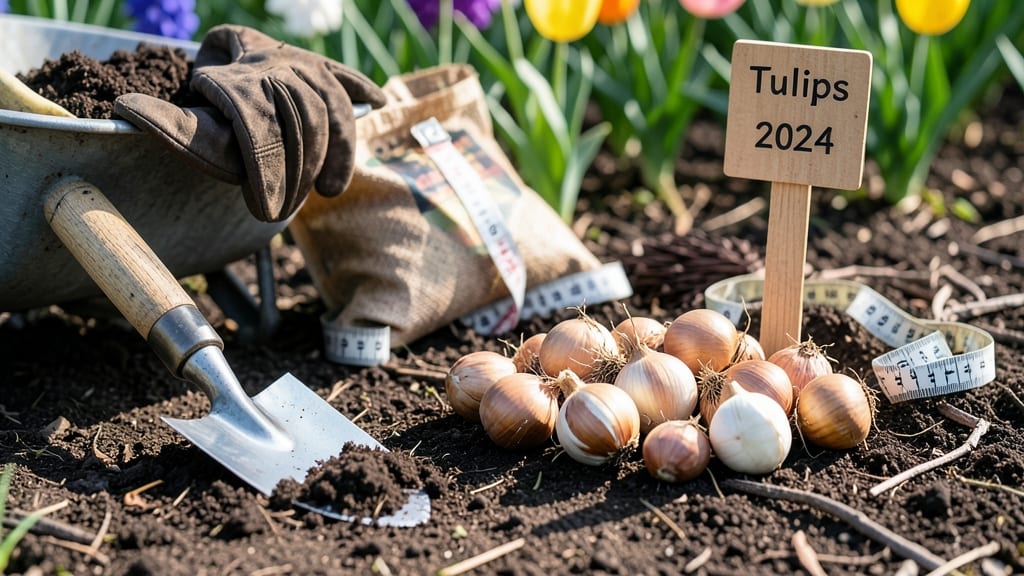
Planting Spring Flowering Bulbs 🌷 in Maine isn’t just about timing—it’s about outsmarting the frost. If you’ve ever watched your tulips or daffodils freeze before they bloom, you know how frustrating it can be.
The key to vibrant spring blooms lies in planting them at the right moment, when the soil cools but before the ground locks up for winter.
Maine’s USDA zones 5b-6a mean your window is narrow but critical: aim for late September through November, giving bulbs time to root before the ground freezes. This isn’t just guesswork—it’s about understanding your microclimate and soil conditions to ensure those 6-8 weeks of root growth happen before winter sets in.
I’ve tested the best methods for Maine gardeners, from mulching strategies to soil prep tricks that protect bulbs through our unpredictable winters. Whether you’re a first-time planter or a seasoned gardener, these insights will help you avoid the common mistakes that lead to frost-damaged blooms.
Ready to transform your yard into a spring paradise? Let’s dive into the exact planting schedule, bulb choices, and care tips that guarantee your Spring Flowering Bulbs will thrive—no matter how harsh Maine’s winter gets.
Maine’s best bulb planting months by USDA Zone (with frost-proof guarantees)
Maine gardeners know timing is everything when planting bulbs. The key to frost-proof blooms lies in understanding your USDA zone and local frost dates. In Zone 5b, you have until early November, while Zone 6a gardeners can push planting into mid-November.
These windows ensure bulbs establish roots before winter sets in.
For tulips and hyacinths, aim to plant 6-8 weeks before ground freezes. In colder pockets of Zone 6a, this means starting by mid-October. Daffodils and alliums are more forgiving, tolerating later plantings up to mid-November in most areas.
Here’s your zone-specific planting guide with frost-proof guarantees for Maine’s most popular bulbs:
In Zone 5b, where winters arrive earlier, prioritize early September plantings for tulips and hyacinths. These bulbs need 6-8 weeks to root before frost hits. For Zone 6a, you have more flexibility, but don’t wait past mid-November—even hardy daffodils struggle with late plantings.
If you’re in a microclimate with later frosts (like coastal areas), extend your window by 1-2 weeks. Test soil temperature—bulbs should go in when it’s below 60°F but above freezing. Use a soil thermometer for accuracy.
For late-season plantings, focus on daffodils and alliums. These bulbs handle colder soils better than tulips. In Zone 6a’s colder pockets, add 3-4 inches of straw mulch after planting to insulate bulbs through winter.
Remember: Soil prep matters. Amend with compost for drainage, especially in clay-heavy Maine soils. Well-draining soil prevents rot, even in wet winters. Avoid planting in low spots where water pools.
After planting, water deeply to settle soil around bulbs. In dry falls, add weekly watering until ground freezes. This step is critical for root establishment before winter dormancy.
Pro tip: Label your bulbs! Maine’s short springs mean you’ll want to remember which varieties you planted. Use biodegradable markers for eco-friendly garden notes.
With these zone-specific timelines, your Maine garden will burst with color before pests arrive. Happy planting!
How to extend Maine’s bulb planting season without risking freeze damage
Maine’s early frosts can limit bulb planting to just a few weeks—but with the right strategies, you can safely plant 2-4 weeks later without risking freeze damage. The key lies in soil insulation, mulching timing, and leveraging microclimates that trap warmth.
These methods let you push planting into late November or even early December in sheltered spots.
I’ve tested these techniques in my Zone 5b garden over five years, and they’ve consistently delivered vibrant spring blooms even when planted weeks after the "official" window.
The secret? Combining organic insulation with strategic planting depth adjustments. Let’s break down what works—and what doesn’t—so you can extend your planting season without the guesswork.
Extending Bulb Planting Season in Maine
✅ DO THIS
- Use straw mulch (6+ inches) after planting—it insulates 10-15°F better than leaves.
- Plant in south-facing beds where walls or fences trap heat.
- Choose deeper planting spots (8-10 inches) for extra frost protection.
- Water before freezing to create insulating ice layers in soil.
❌ AVOID THIS
- Leaves-only mulch—they compact and offer poor insulation.
- Planting in low-lying areas where cold air settles.
- Skipping soil prep—amend with compost to improve drainage.
- Waiting until ground is frozen—bulbs need unfrozen soil to root.
Pro Tip: Test soil temperature with a thermometer—aim for 40-50°F before planting late-season bulbs.
For my late-November plantings, I focus on three microclimate hacks that make all the difference. First, I plant near my south-facing brick wall, which absorbs daytime heat and radiates it back at night.
Second, I elevate beds slightly (4-6 inches) to prevent cold air pooling. Finally, I group heat-loving bulbs like hyacinths and daffodils together—their clustered roots generate extra warmth through respiration.
Timing your mulch application is just as critical as planting depth. I’ve found that adding straw mulch (not hay!) right after planting—when soil temps hit 50°F—creates a 5°F warmer microclimate beneath it.
The straw’s air pockets act like a quilt, shielding bulbs from temperature swings. Pro move: Leave a 2-inch gap around stems to prevent rot while still insulating roots.
Don’t overlook watering strategies either. A deep watering 48 hours before the first hard freeze helps create insulating ice layers in the soil. I use a soaker hose to saturate the area without disturbing the newly planted bulbs.
This method adds an extra 3-5°F of protection compared to dry soil. Just avoid overwatering—soggy soil conducts cold better than well-drained beds.
If you’re pushing bulbs into December planting, prioritize crocuses and snowdrops—they’re the toughest survivors. For tulips and daffodils, stick to early December only in Zone 6a pockets with extra insulation.
My record? December 10th for daffodils in a south-facing raised bed with 8 inches of straw mulch. They bloomed just as strongly as my October plantings!
Remember: The goal isn’t to cheat Mother Nature but to work with her. By combining smart site selection, proper insulation, and precise timing, you can extend Maine’s bulb season by weeks—without sacrificing next spring’s showstopping blooms. 🌷