
Plants
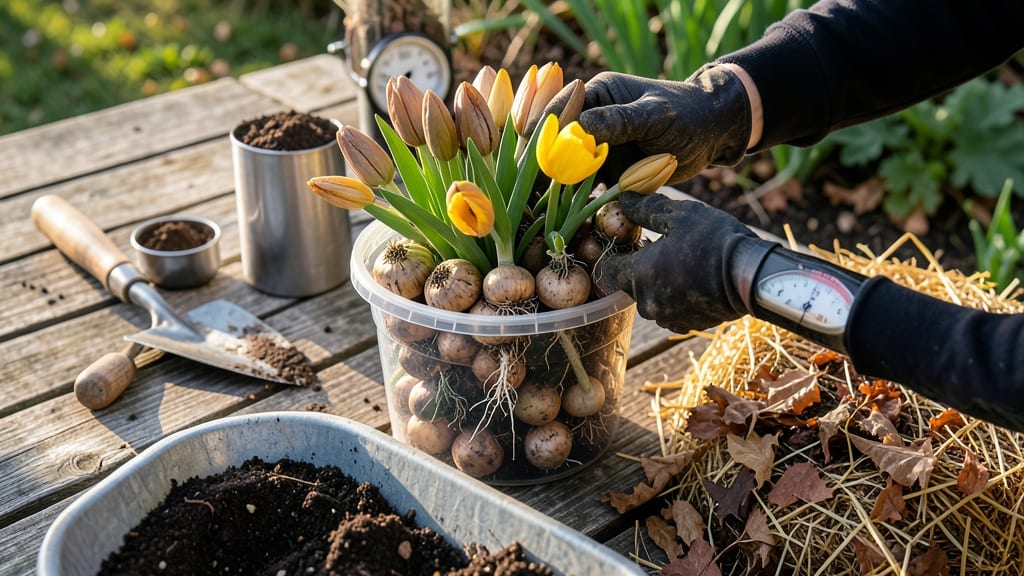
Planting bulbs at the right time in Minnesota isn’t just about timing—it’s the key to unlocking vibrant spring blooms that survive brutal winters. With USDA Zones 3-4 and unpredictable frost dates, getting the window wrong can mean the difference between a showstopping garden and wasted effort.
Most gardeners know fall planting is ideal, but did you know spring-planted bulbs 🌷 can also thrive if timed correctly? The secret lies in understanding your specific Minnesota region—whether you're in the Twin Cities or Duluth—and adjusting for soil temperatures and frost patterns.
In this guide, I’ll break down the exact month-by-month planting schedule for Minnesota, plus pro tips to avoid common mistakes like rot or premature sprouting. By the end, you’ll know exactly when to dig in for bulbs that bloom reliably year after year.
Ready to transform your garden? Let’s dive into the perfect planting windows and care steps that’ll have your yard bursting with color—no matter how harsh the winter gets.
Best planting months for bulbs in Minnesota’s USDA Zones 3-4
Minnesota’s USDA Zones 3-4 present unique challenges for bulb planting due to early frosts and short growing seasons. However, timing your plantings correctly ensures vibrant blooms despite the cold.
Most bulbs thrive when planted in fall or early spring, but the exact window depends on the bulb type and your specific location within the state.
For spring-flowering bulbs like tulips and daffodils, the ideal time is September through October, allowing roots to establish before winter. Fall-flowering bulbs, such as crocus and allium, can also be planted in fall but may require adjustments based on frost timing.
Let’s break down the best months for each type and the soil conditions that signal readiness.
Soil temperature is a critical factor—most bulbs need 40-50°F soil for root growth. In Minnesota, this typically occurs in late August to early October. Use a soil thermometer to confirm readiness before planting. Northern Minnesota (Zone 3) may need to plant 2-3 weeks earlier than southern areas (Zone 4) due to colder soils.
Frost timing is another key consideration. The first hard frost in Minnesota usually arrives between mid-September and early October, depending on the year. Aim to plant bulbs 6-8 weeks before the ground freezes to allow roots to anchor. In Zone 3, this often means late August to mid-September, while Zone 4 gardeners have until late September or early October.
If you miss the fall planting window, don’t worry—many bulbs can also be planted in early spring, typically March through April. This is especially useful for spring-flowering bulbs like tulips and daffodils.
However, planting in spring means shorter root establishment time, so choose smaller bulbs or focus on hardier varieties like daffodils, which tolerate cooler soils better.
For Zone 3 gardeners, prioritize early planting (late August) to account for earlier frosts. In Zone 4, you have slightly more flexibility but should still aim to finish by mid-October.
Always check your local frost date averages—Minnesota’s climate varies even within short distances, so a frost calendar from your county extension office is invaluable.
After planting, mulch heavily (3-4 inches) with straw or shredded leaves to insulate bulbs from freeze-thaw cycles. This protects them from heaving (being pushed out of the soil) and ensures consistent growth. Remove mulch in early spring once new shoots appear to prevent rot from excess moisture.
One common mistake is planting bulbs too late in fall
How to Adjust planting time for early vs. late Minnesota winters
Minnesota’s winters vary dramatically between northern USDA Zone 3 (like Duluth) and southern Zone 4 (like Minneapolis). These differences mean your planting timeline should shift based on your location to avoid bulb rot or premature sprouting.
In colder regions, early frosts can lock soil faster, while southern areas might experience unpredictable thaw-freeze cycles that stress bulbs.
For northern Minnesota, aim to plant fall bulbs 6-8 weeks before soil freezes—typically between September 15 and October 15. In southern Minnesota, you’ve got a slightly longer window, often extending until mid-November.
Spring planting (for warm-season bulbs) should happen 4-6 weeks before your last frost date, which can range from late April in the south to early June in the north.
If you’re in a transition zone (like the Twin Cities), pay attention to soil temperature. Use a soil thermometer—plant when temps drop to 40-50°F for fall bulbs.
For spring bulbs, wait until soil warms to 50°F consistently. Premature planting in cold soil can cause rot, while waiting too long risks dormancy issues.
Pro tip: In northern Minnesota, plant crocus and snowdrops first—they tolerate colder soil and bloom early. In southern Minnesota, prioritize tulips and daffodils, which need slightly warmer soil to establish roots. Always water deeply after planting to encourage root growth before winter sets in.
Don’t forget to mark your planting spots! Snow and frost can erase garden beds. Use landmark plants (like evergreens) or flagging tape to avoid disturbing bulbs when the ground thaws. With these adjustments, your bulbs will thrive despite Minnesota’s unpredictable winters.
🌱