
Plants
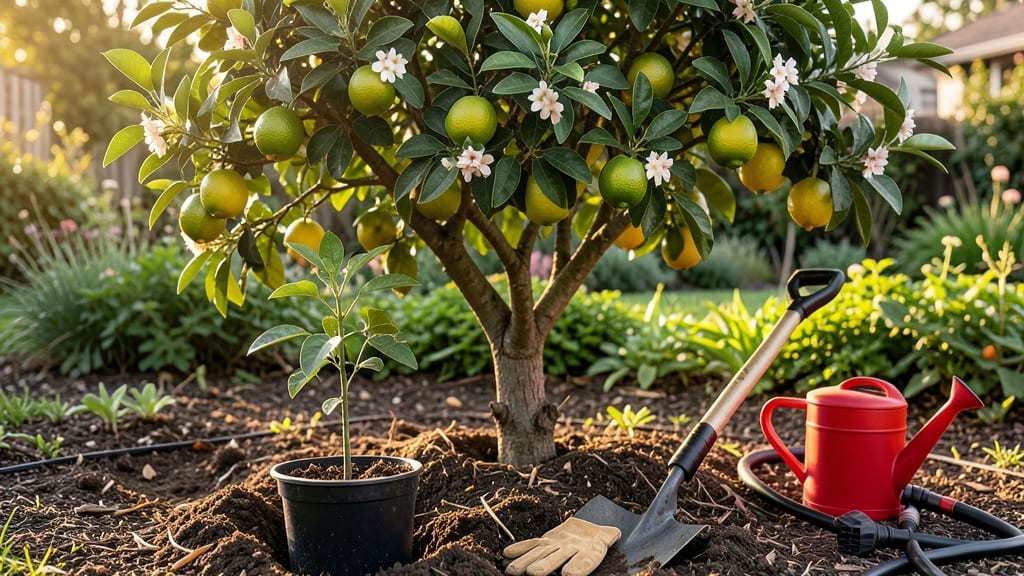
Planting a 🍋 lemon tree in Louisiana might seem simple—after all, the warm climate is perfect for citrus—but timing is everything. Skip the right window, and you risk frost damage or heat stress that could stunt your tree before it even takes root.
In USDA Zones 8b-9a, the ideal months are February-March (after the last frost) or September-October (fall planting), when temperatures are mild and soil is workable.
This isn’t just about avoiding cold snaps; it’s also about giving your tree the best shot at establishing strong roots before summer’s humidity or winter’s chill sets in.
Whether you’re planting in-ground or in containers, Louisiana’s subtropical climate demands extra care. We’ll break down the exact steps to prepare your soil, protect young trees, and ensure your lemon tree thrives year-round, from frost-proofing to summer heat management.
Ready to grow your own citrus? Let’s dive into the perfect timing and pro tips to turn your Louisiana yard into a lemon grove.
Best planting months for lemon trees in Louisiana’s Zone 8b-9a climate
Louisiana’s USDA Zones 8b-9a offer a near-perfect climate for growing lemon trees, but timing your planting correctly ensures your tree thrives. The ideal window spans two seasons: late winter to early spring and early fall.
These periods balance soil warmth, rainfall patterns, and frost risk to give young trees the best start. Coastal areas like New Orleans have slightly longer growing seasons, while inland regions near Shreveport face earlier frost threats.
Spring planting (February–March) aligns with Louisiana’s last frost dates, typically around February 15 in most areas. This gives your lemon tree 6+ months of warm weather to establish roots before summer’s heat.
In contrast, fall planting (September–October) avoids the brutal summer heat while still allowing roots to settle before winter. Both windows work, but spring is ideal for container-grown trees and fall suits bare-root saplings.
Soil temperature is critical—lemon trees need soil at least 60°F to thrive. In Louisiana, this threshold is usually met by mid-February in coastal zones but may wait until late March in inland areas.
Use a soil thermometer to confirm before planting. Young trees are also vulnerable to late-spring frosts, which can damage new growth, so monitor local forecasts closely.
Microclimates play a huge role in Louisiana. Coastal regions (e.g., Lafayette, Baton Rouge) enjoy milder winters and longer growing seasons, making fall planting slightly safer. In contrast, inland zones (e.g., Monroe, Alexandria) face harder frosts by November–December, so spring planting is often the safer bet.
If you’re in a transitional zone, September planting offers a middle ground with cooler temps and lower pest pressure.
Heat tolerance is another key factor. While lemon trees handle Louisiana’s summer humidity well, young trees planted in late spring (April–May) may struggle with establishing roots before the heat peaks.
Prioritize drip irrigation and mulch to retain moisture. For container-grown trees, ensure pots have drainage holes and use lightweight potting mix to prevent root rot in the sweltering summer months.
Here’s a quick breakdown of your planting options based on Louisiana’s climate zones:
For container-grown lemon trees, spring planting in February–March gives them a head start before summer’s intensity. If you’re in Zone 8b (northern Louisiana), opt for March planting to avoid late frosts.
In Zone 9a (southern Louisiana), September–October is ideal—cooler temps reduce transplant shock, and rainfall is abundant. Always acclimate container-grown trees for 3–5 days before planting to minimize stress.
Young lemon trees need protection from strong winds, which are common in Louisiana’s hurricane season (June–November). If planting in fall, choose a sheltered location or use windbreaks like bamboo screens or native shrubs.
For in-ground planting, amend the soil with compost and sand to improve drainage—citrus hates soggy roots. In containers, use a well-draining mix with perlite or pumice to prevent root rot.
Pro tip: Mulch heavily around your lemon tree’s base (3–4 inches of organic mulch) to retain moisture and regulate soil temperature. This is especially critical in summer’s heat and winter’s chill. Avoid mulching too close to the trunk, as this can cause rot.
Pair this with drip irrigation set on a timer to deliver 1–2 gallons of water weekly for young trees, adjusting for rainfall.
Remember, patience is key—lemon trees take 2–3 years to bear fruit in Louisiana’s climate. Planting at the right time ensures your tree grows strong enough to reward you with juicy lemons year-round. Whether you choose
When planting lemon trees in Louisiana’s humid subtropical climate, your choice between bare-root and container-grown trees can make or break success. Both options have unique advantages, but local factors like hurricane winds and sudden temperature swings tip the scales differently. Let’s break down which method aligns best with your Louisiana garden goals. Bare-root lemon trees are budget-friendly and widely available, but they require immediate planting and careful handling to minimize transplant shock. Meanwhile, container-grown trees offer established root systems and flexibility, making them ideal if you’re dealing with heavy soils or need to relocate your tree during storms. Your decision should hinge on your timeline, budget, and local growing conditions. If you’re planting in spring (March-April), bare-root trees can work with extra soil prep—amend Louisiana’s heavy clay soils with compost and sand to improve drainage. However, container-grown trees planted in fall (September-October) establish roots faster, giving them a head start before winter’s mild chill or summer’s intense heat. For hurricane-prone zones, container-grown trees are the clear winner. Their portable nature lets you move them to shelter before storms, while bare-root trees planted in-ground may suffer wind damage or root disruption. If you’re in Zone 8b (northern Louisiana), opt for container-grown trees to protect against late-winter frosts. My recommendation? Choose container-grown if you prioritize quick establishment and flexibility, or bare-root if you’re on a budget and willing to invest time in soil prep. Either way, mulch heavily to retain moisture in Louisiana’s hot, humid summers and water deeply during the first 30 days after planting to reduce shock. 🌱How to choose between bare-root vs. container-grown lemon trees for Louisiana planting
Bare-Root vs. Container-Grown Lemon Trees: Louisiana Comparison
Cons:
Cons: