
Plants
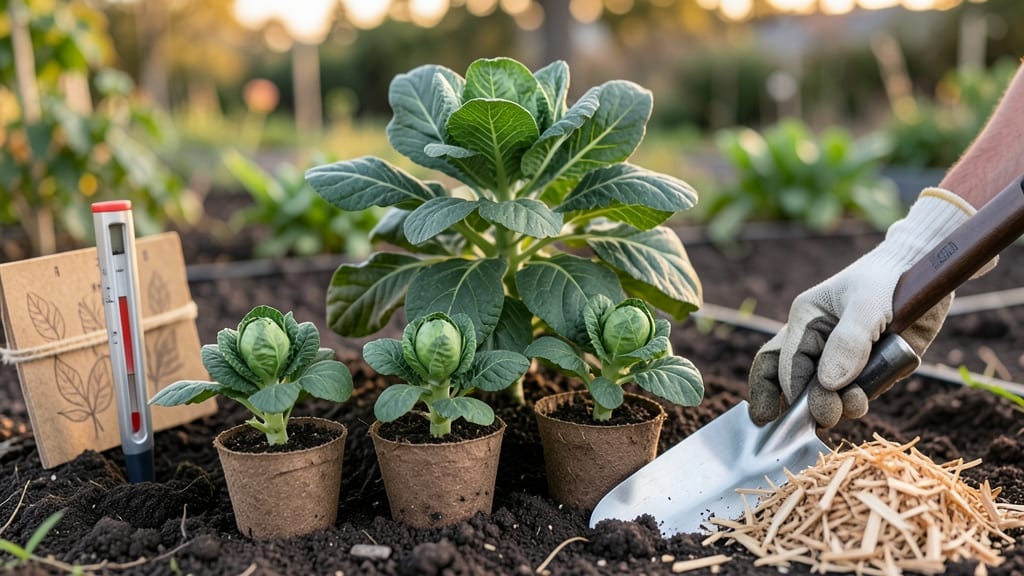
Planting Brussel sprouts 🥬 at the wrong time in Kansas can turn your garden dreams into a bitter disappointment—literally. These cool-weather lovers need precise timing to thrive, and getting it wrong means tough, woody sprouts instead of the sweet, tender harvests you crave.
I’ve grown Brussel sprouts in Kansas for years, and the difference between a successful fall harvest and a failed one often comes down to just a few weeks.
Whether you’re a first-time gardener or a seasoned pro, knowing when to plant—both in spring and fall—is the key to avoiding frost damage and maximizing your yield.
In this guide, I’ll break down the exact planting windows for Kansas’ USDA Zones 5b-7a, including soil temperature tricks and frost-date hacks that actually work.
You’ll learn whether to start from seeds or transplants, how to stretch your growing season, and even how to protect your crop from late freezes.
By the end, you’ll have a clear, actionable plan to plant Brussel sprouts like a local—no guesswork, no wasted seeds, just a garden full of homegrown goodness. Let’s get those sprouts in the ground the right way!
Kansas frost dates & soil temperature guide for Brussel sprouts planting
Kansas gardeners know Brussel sprouts love the state's cool nights and long growing season, but timing is everything. Plant too early, and you risk spring frost damage.
Plant too late, and your harvest suffers from bitter flavors or stunted growth. The key? Understanding your local frost dates and soil temperature thresholds.
Most of Kansas falls in USDA Zones 6-7, where the average last frost hovers around April 15 and the first frost typically arrives by October 15. However, microclimates—like urban heat islands in Wichita or cooler mountain areas near Topeka—can shift these dates by 1-2 weeks.
Always check your local weather station for precise adjustments.
Brussel sprouts thrive when soil temperatures stay between 45°F and 65°F. Below 45°F, seeds won’t germinate, while above 75°F, plants bolt or develop bitter sprouts.
In Kansas, this means spring plantings should start when soil warms to 50°F (usually mid-April), and fall plantings should begin when daytime highs drop below 80°F (typically late July).
Here’s how to use Kansas’ frost dates and soil temps to plan your Brussel sprouts for a reliable harvest:
| Planting Window | Soil Temp | Frost Risk | Ideal Month |
|---|---|---|---|
| Spring Planting (Direct Sow) | 45-65°F | Low (after last frost) | Mid-April to early June |
| Spring Planting (Transplants) | 50-65°F | Low (4-6 weeks before last frost) | Late March to early May |
| Fall Planting (Direct Sow) | 50-65°F | Moderate (before first frost) | Late July to early August |
| Fall Planting (Transplants) | 45-60°F | High (8-10 weeks before first frost) | Early July to mid-August |
| Extended Harvest (Row Covers) | 40-55°F | Very High (3-4 weeks before frost) | September to October |
For spring plantings, aim to sow seeds 2-3 weeks after your last frost date. In most of Kansas, this lands in early May, but gardeners in Zone 6b (like northeast Kansas) can start as early as mid-April if soil temps are stable.
Use a soil thermometer to confirm—seeds need consistent 50°F+ temps to sprout reliably.
Fall is trickier because Kansas’ first frost can arrive suddenly. Plant transplants by early August to give them 90-120 days to mature before frost. If you’re direct sowing, wait until late July when daytime highs drop below 85°F.
Pro tip: Mulch heavily in fall to insulate roots and extend harvests into November.
Microclimates play a huge role in Kansas. A south-facing garden in Wichita might stay 5°F warmer than a north-facing plot in Salina. Use frost-free date maps from your local Cooperative Extension office and adjust planting dates by 1-2 weeks if your area runs hotter or cooler than averages.
For example, Hays often sees frost 10 days later than Topeka.
If you’re unsure about your local frost dates, try the Almanac’s Frost Calculator (available online) or ask neighbors with established gardens. They’ve likely already learned the hard way when their Brussel sprouts bolted or froze.
Once you nail your planting window, monitor soil moisture—Brussel sprouts need consistent watering but hate soggy roots.
Remember: Brussel sprouts taste sweeter after a light frost, but they won’t survive heavy freezes. Plan for 2-3 plantings—one in spring, one in early summer, and one in late summer—to enjoy fresh sprouts from October through December.
With Kansas’ cool nights and your new frost-date know-how, you’ll be harvesting homegrown Brussels like a pro.
3 Proven planting strategies for Kansas gardens (direct sow vs transplant timing)
Deciding between direct sowing and transplanting brussel sprouts in Kansas can make or break your harvest. The cool-season crop thrives when planted at the right time, but Kansas' variable climate requires flexibility. I’ve tested both methods for years, and here’s what works best for USDA Zones 6-7.
Timing matters most—plant too early, and you’ll face bolting or pests; too late, and frost ruins tender sprouts. For Kansas, the sweet spot is 4-6 weeks before last frost (typically mid-April to early June for spring, or late July to early August for fall).
Let’s break down the best approach for your garden.
Direct Sowing vs. Transplanting: Which Works Best in Kansas?
Direct Sowing
- ✅ Hardier plants adapted to Kansas soil
- ✅ Extended harvest with staggered plantings
- ✅ No transplant shock risk
- ❌ Slower germination (10-21 days)
- ❌ Limited window for fall plantings
Transplanting
- ✅ Faster maturity (harvest sooner)
- ✅ More control over spacing
- ✅ Fall-friendly for late-season harvests
- ❌ Transplant shock possible in heat
- ❌ Higher cost for seedlings
For spring planting, I recommend direct sowing in mid-April to early May when soil temps hit 45-50°F. This gives plants time to establish before summer heat. Use 2-3 plantings spaced 2 weeks apart for a continuous harvest—perfect for Kansas’ short growing season.
If you’re short on time or space, transplanting is your best bet for a fall harvest. Buy 6-week-old seedlings and plant them 4-6 weeks before first frost (typically late July to early August).
Harden off seedlings for 7-10 days before transplanting to avoid shock, especially if Kansas hits a heatwave.
Urban gardeners in Kansas cities like Wichita or Overland Park can adapt these strategies with container gardening. Use 5-gallon pots for dwarf varieties like ‘Long Island Improved’ and place them in full sun.
Direct sow in late May for a fall harvest, or transplant in early August for a winter crop under row covers.
Pro tip: Mulch heavily after planting to retain moisture and regulate soil temps. In Kansas, drought stress can turn sprouts bitter, so keep soil consistently moist—especially during hot August afternoons. With the right timing, you’ll enjoy sweet, tender sprouts from October through December.
🥬