
Plants
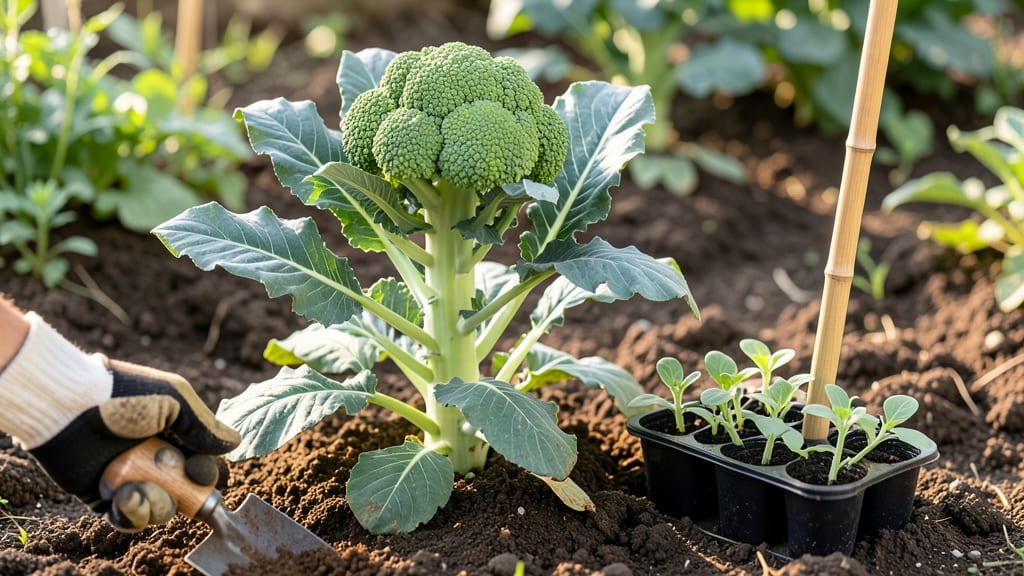
Timing your 🥦 broccoli planting in Seattle isn’t just about following a calendar—it’s about outsmarting the city’s coastal fog and inland heat swings.
Plant too early, and you’ll watch your seedlings bolt before they even reach maturity; too late, and winter’s chill will leave you with stunted growth or worse, no harvest at all.
Here’s the secret: Seattle’s USDA Zone 8a climate creates two distinct planting windows—spring and fall—that require different strategies. Whether you’re in the milder coastal areas or the warmer inland spots, getting the timing right means the difference between a bountiful harvest and a sad, wilted disappointment.
I’ve spent years perfecting the schedule, and what works for one part of the city can fail spectacularly just a few miles away. Let me show you exactly when to plant for zero-bolt success, how to adjust for microclimates, and which varieties thrive in Seattle’s unpredictable weather.
From transplanting in early spring to extending the season with row covers, you’ll learn the exact steps to grow broccoli that’s ready to harvest in late spring or fall—no guesswork, just results. Ready to master the timing?
Seattle broccoli planting calendar: coastal vs inland timing breakdown
Seattle’s unique climate creates two distinct planting zones for broccoli: the coastal region (milder, wetter) and the inland areas (warmer, drier). The difference in average frost dates and summer heat means your coastal neighbors might plant in March while inland gardeners wait until April.
Getting this wrong risks bolting or stunted growth.
Coastal Seattle (e.g., West Seattle, Bainbridge Island) enjoys longer growing seasons thanks to ocean moderation, while inland zones (e.g., Redmond, Kenmore) face hotter summers and earlier fall frosts. I’ve broken down the month-by-month windows for both zones, including transplant dates and harvest timelines to ensure zero-bolt success.
🌱
| Zone | Task | Coastal Timing | Inland Timing | Notes |
|---|---|---|---|---|
| 🌱 Spring Planting | Start Seeds Indoors | Mid-February | Late February | Use grow lights for 12-14 hours/day |
| Transplant Seedlings | Late March - Early April | Mid-April | Wait until soil warms to 50°F | |
| Direct Sow Outdoors | Early April | Mid-April | Use row covers for frost protection | |
| 🌻 Summer/Fall Planting | Start Seeds Indoors | Early July | Late June | Avoid bolting from summer heat |
| Transplant Seedlings | Late July - Early August | Mid-August | Choose bolt-resistant varieties like 'De Cicco' | |
| Direct Sow Outdoors | Mid-August | Early September | Plant in partial shade for inland areas | |
| 🍂 Frost Considerations | Last Frost Date | March 15 | March 25 | Coastal areas frost 2 weeks earlier |
| First Frost Date | November 20 | November 10 | Inland frosts 10 days earlier |
For coastal Seattle, the spring window runs from late March to early April, while inland gardeners should wait until mid-April. This delay prevents cold soil from shocking young transplants.
I recommend using black plastic mulch in inland areas to warm the soil faster—this can shave off 1-2 weeks of your planting timeline.
Summer planting is trickier inland due to heat stress. Start seeds indoors by late June and transplant by mid-August to avoid bolting. Coastal gardeners have a slightly longer window, with mid-August sowing possible. Always choose heat-tolerant varieties like 'Waltham 29' for inland zones.
💧
Both zones benefit from succession planting. In coastal areas, sow every 2-3 weeks from March to August for continuous harvests. Inland gardeners should limit succession to March-April and August-September to avoid summer heat. Use shade cloth (30-50%) in inland gardens during July-August to protect plants.
Pro tip: Coastal gardeners can extend fall harvests by planting cold-hardy varieties like 'Calabrese' as late as mid-September. Inland areas should stop planting by early September to ensure mature heads before frost. Always check your local USDA frost map—Seattle’s zones range from 8a (coastal) to 8b (inland).
🌡️
Monitor soil temperatures with a thermometer—broccoli thrives in 50-75°F soil. Coastal soils stay cooler longer, while inland areas can hit 80°F+ by June. If your soil exceeds 75°F, switch to shade-tolerant varieties like 'Green Magic' or use drip irrigation to keep roots cool.
Remember, consistent moisture is key to preventing bolting.
For zero-bolt success, time your planting to avoid heatwaves. Coastal gardeners have more flexibility, but inland plantings must align with cooler fall temperatures. Use this schedule as a guide, but always adjust based on your microclimate—even neighborhoods just 5 miles apart can have different frost dates.
How to adjust planting for Seattle’s microclimates (and avoid bolting)
Seattle’s microclimates create unique challenges for broccoli growers. Coastal areas stay cooler and wetter, while inland zones experience warmer temperatures that can trigger bolting. The key to success is adjusting your planting timing and using season-extending techniques tailored to your specific zone.
For coastal Seattle, where fog lingers longer, you can plant broccoli seedlings as early as late February. Inland areas, however, should wait until mid-March to avoid premature bolting from sudden warmth. Understanding these differences is critical for a zero-bolt harvest.
- 1
- 2
- 3
- 4
Another trick I’ve used is succession planting. Instead of one big batch, I plant small batches every 2-3 weeks from March to September. This ensures a continuous harvest and reduces the risk of bolting from overcrowding or nutrient competition.
For fall planting, aim for late July to early August. This gives broccoli enough time to mature before first frost (around mid-November). Use black plastic mulch to warm the soil and straw mulch to retain moisture—both help prevent bolting in temperature-sensitive varieties.
Finally, monitor your plants closely for signs of stress. If you notice yellowing leaves or tall stems without heads, it’s a sign of bolting. At that point, harvest what you can and pull the rest to prevent seed production.
With these adjustments, you’ll enjoy crisp, flavorful broccoli all season long. 🥦