
Plants
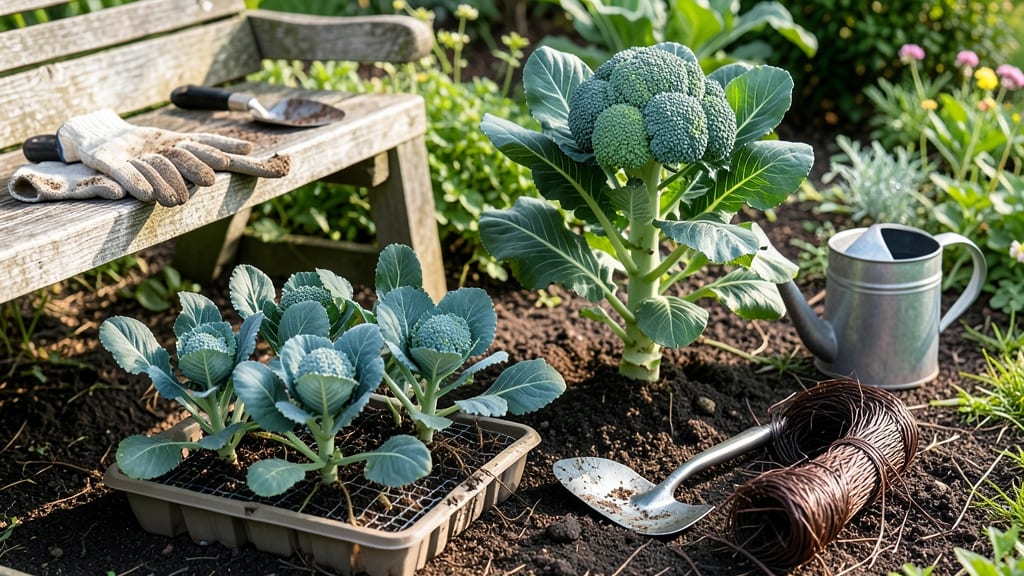
Planting broccoli 🥦 in Mississippi isn’t just about throwing seeds in the ground—it’s about outsmarting the heat and humidity to get a harvest before the summer sun turns your plants into sad, wilted memories.
Most gardeners assume spring is the only chance, but in zones 7b-9a, fall planting actually gives you better results—cooler temps mean happier broccoli that won’t bolt before you even see a head.
The key? Knowing exactly when to start seeds or transplants so you avoid the brutal July heat.
I’ve grown broccoli in Mississippi for years, and I’ll show you the perfect timing for both spring and fall plantings—plus how to stretch your growing season with simple tricks that work even in our sticky climate. Skip the guesswork and get a harvest you’ll actually want to eat.
Whether you’re a first-timer or a seasoned gardener, these insights will help you beat the odds and enjoy fresh homegrown broccoli from your Mississippi garden—no matter how hot it gets outside.
Best planting windows for Mississippi broccoli success
Mississippi gardeners know broccoli thrives in cooler weather, but our USDA zones 8a/8b demand precise timing to avoid heat stress and bolting. The key is planting when daytime temps stay below 75°F—typically early spring or late summer.
In my experience, these windows maximize your chance for full-size heads before summer’s relentless heat arrives.
For spring planting, aim for February to early March in North Mississippi (zone 8a) and March in South Mississippi (zone 8b). This gives plants 60-70 days of cool weather before summer’s peak.
Fall planting should start mid-August to early September—broccoli needs 70-80 days to mature before first frost (usually mid-November).
Here’s the critical timeline for Mississippi’s two planting windows, including heat tolerance limits and avoidance strategies:
| Planting Window | Ideal Months | Days to Maturity | Heat Risk | Key Action |
|---|---|---|---|---|
| Spring | February–Early March | 60–70 days | Low (pre-summer) | Direct sow or transplant seedlings |
| Fall | Mid-August–Early September | 70–80 days | Moderate (late summer heat) | Use shade cloth for seedlings |
| Avoid | April–October | N/A | High (bolting risk) | Skip planting entirely |
In my zone 8a garden in North Mississippi, I’ve found that spring planting yields the most reliable harvests. The cool nights and warm days in February-March create perfect conditions for head formation.
However, I’ve also had success with fall broccoli by starting seeds indoors in July and transplanting hardened-off seedlings in mid-August. This gives them a head start before September’s heat peaks.
One critical mistake I’ve seen Mississippi gardeners make is planting too late in spring or too early in fall. For example, sowing in late March risks heat stress by May, while planting in late September may not mature before frost.
Always check your last frost date (typically March 15 for spring, November 15 for fall) and count backward based on your chosen variety’s days to maturity.
For heat-sensitive varieties like Calabrese, I recommend sticking to spring-only planting. Hardier types such as De Cicco or Waltham 29 can handle late summer heat better, making them better candidates for fall trials.
If you’re experimenting with fall broccoli, monitor daytime temps—once they exceed 85°F for more than a week, your plants will bolt (send up flower stalks) and become bitter.
To extend your fall planting window, try succession planting every 2 weeks from August through September. This staggered approach ensures a continuous harvest while reducing the risk of all plants maturing at once during unpredictable late-summer heat waves.
I’ve also had luck using black plastic mulch to keep soil temps cooler and retain moisture during September’s scorching afternoons.
Pro tip: If you’re in South Mississippi (zone 8b), your last frost date may be as late as March 20, giving you a slightly longer spring window. Conversely, your first frost might arrive by November 1, so plan your fall harvest accordingly.
Always err on the side of earlier planting—broccoli grows faster in cooler weather and is less likely to bolt.
Remember, Mississippi’s humidity is another factor. While broccoli loves moisture, stagnant water around the crown can cause rot. Use raised beds or well-draining soil to prevent waterlogged roots. And if you’re planting in containers, choose large pots (12+ inches deep) to accommodate the deep root systems broccoli develops.
With the right timing and heat management, you can enjoy homegrown broccoli in Mississippi’s climate—just don’t let those 90°F days catch you off guard! 🌱
How to extend broccoli's growing season in Mississippi heat
Mississippi’s summer heat can turn broccoli plants into bolting disasters, but with the right strategies, you can beat the heat and enjoy fresh harvests year-round. The key lies in cooling the soil, shading young plants, and choosing heat-tolerant varieties that thrive when temperatures rise.
Let’s break down my proven methods for keeping broccoli happy in the Deep South’s sweltering climate.
First, focus on soil temperature management—broccoli roots prefer cool soil between 55°F and 75°F. If your garden soil heats up beyond 80°F, plants will bolt prematurely.
I’ve found that mulching with straw or planting in raised beds with black plastic mulch can lower soil temps by 10°F or more. Pair this with drip irrigation to keep roots cool and hydrated.
For fall plantings, I recommend starting seeds indoors in late July and transplanting outdoors in early August. This gives plants a 6-8 week head start before the worst heat arrives.
If you’re planting directly in the garden, use seedling trays under shade cloth until they’re 3-4 inches tall before transplanting.
Don’t overlook companion planting—pair broccoli with radishes or lettuce, which thrive in cooler soil and shade the ground naturally. Avoid planting near tomatoes or cabbage, which can compete for nutrients and attract pests like cabbage worms.
I’ve also had success using row covers during the hottest afternoons to lower leaf temperatures by 15°F.
With these heat-beating strategies, you can enjoy homegrown broccoli well into November—or even spring plantings if you start early. The secret is staying proactive with shade, soil prep, and variety selection. Your garden (and taste buds) will thank you! 🥦