
Plants
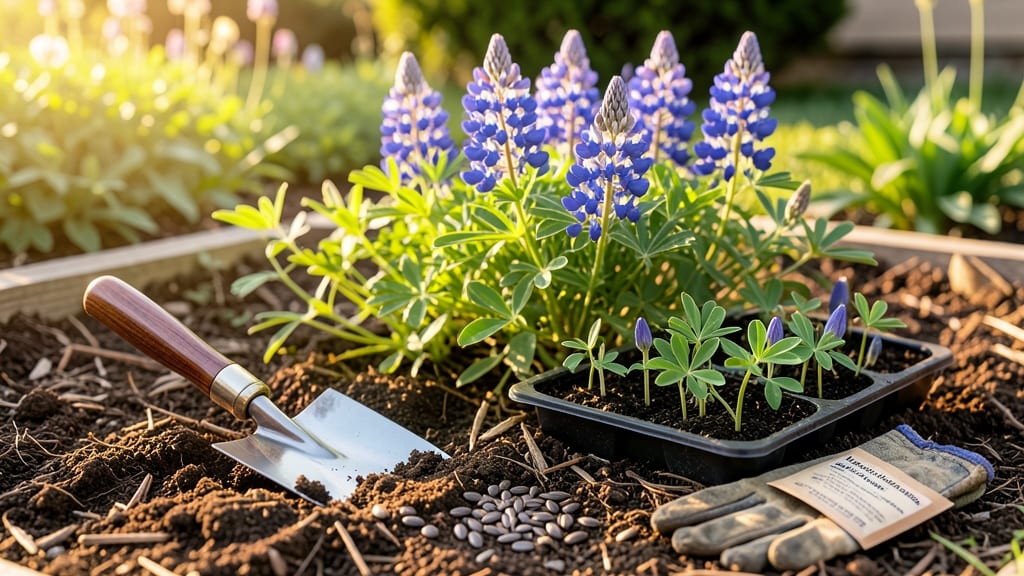
Planting bluebonnets at the wrong time in North Texas can mean waiting years for those 💙 carpets of blooms—or never seeing them at all.
The key to vibrant spring displays isn’t just throwing seeds in the ground; it’s understanding the perfect fall window when soil temps and moisture align for success.
For USDA Zone 8a gardeners like you, timing matters more than you might think. Plant too early, and seeds may sprout before winter’s chill sets in. Too late, and they’ll struggle to establish roots before summer’s heat arrives.
I’ll break down exactly when to sow seeds—plus pro tips to beat North Texas’ tricky microclimates and ensure your bluebonnets thrive.
Whether you’re a first-time gardener or a seasoned pro, this guide cuts through the guesswork. You’ll learn how to read your local frost dates, prep soil like a pro, and even adjust for dry spells—so your bluebonnets burst into color every spring, not just some.
Let’s get your garden ready for next year’s showstopper blooms—starting with the one simple rule that changes everything about planting bluebonnets in North Texas.
Best planting months for bluebonnets in North Texas by USDA Zone
North Texas gardeners know that bluebonnets (Lupinus texensis) thrive when planted at the perfect time—typically in fall—but the exact window depends on your USDA Zone. In Zones 7b, 8a, and 8b, temperature fluctuations and frost dates create a narrow but critical window for success.
Plant too early, and seeds may sprout prematurely; too late, and they won’t establish roots before winter. Let’s break it down by zone to ensure your bluebonnet seeds bloom beautifully next spring.
For Zone 7b (average last frost: March 15), the ideal planting window is mid-September to early November. This timing allows seeds to germinate in cool fall temperatures (50–65°F), avoiding the heat stress of summer or the frost risks of winter.
In Zones 8a and 8b (average last frost: February 15), you have a slightly extended window: late August through December, but September–October remains the sweet spot.
Why fall? Bluebonnets are cool-season annuals that need a 60–90-day growing period before winter dormancy. Planting in fall ensures they establish roots before freezing temperatures set in. Spring planting is possible but risky—seeds may dry out or sprout too late for blooms.
Always aim for 4–6 weeks before your first frost date to maximize germination rates.
Here’s a quick guide to avoid common mistakes: Don’t plant in summer heat (above 85°F), as seeds won’t germinate. Don’t overwater after sowing—bluebonnets need well-drained soil and can rot in soggy conditions.
Instead, scatter seeds on bare soil (no covering needed) and rely on natural rainfall for the first 2–3 weeks. Lightly press seeds into the soil with your hand or a rake to ensure contact.
| USDA Zone | Best Planting Window | Soil Temp for Germination | Key Consideration |
|---|---|---|---|
| 7b | Mid-September to Early November | 50–65°F | Avoid early frost (avg. first frost: Nov 15) |
| 8a | Late August to December | 55–70°F | Extended window; prioritize Sept–Oct |
| 8b | Late August to December | 55–70°F | Mild winters; Dec planting possible |
Temperature plays a critical role in bluebonnet germination. Seeds need consistent soil temperatures between 50–70°F to sprout. In Zone 7b, soil warms quickly in September, so planting early ensures seeds don’t bake in October’s heat.
In Zones 8a/8b, you can push planting into December, but germination slows in colder soil (below 50°F). Use a soil thermometer to check conditions if you’re unsure.
Microclimates matter too! If you live in a warmer microclimate (e.g., near a building or slope), plant earlier (August) to avoid heat stress. Conversely, in cooler pockets (e.g., shaded areas), delay until October to align with soil warming.
Observe your garden’s sun exposure—bluebonnets need full sun (6+ hours daily), but afternoon shade can help in Zone 8b’s hot summers.
Pro tip: Stratification (a cold treatment) can boost germination rates if you plant in late fall. Simply scatter seeds and let winter’s freeze-thaw cycles soften their hard coats.
This mimics their natural wildlife dispersal process and often yields faster, more uniform sprouting in spring. Just avoid planting if frost is forecast within 2 weeks—seeds won’t survive.
After planting, minimal care is needed. Bluebonnets are drought-tolerant once established, but young seedlings benefit from occasional watering during dry spells. Avoid fertilizing—bluebonnets thrive in poor, rocky soil and can suffocate in rich amendments.
Let nature do the work: natural rainfall and Texas sun are all they need to flourish.
Timing your bluebonnet planting correctly ensures a sea of blue blooms by spring. Whether you’re in Zone 7b’s cooler climate or Zone 8b’s mild winters, focus on fall planting, well-drained soil, and patience.
With the right approach, your North Texas garden will be the envy of the neighborhood—just like the wildflower meadows along Texas highways.
How to time your bluebonnet planting for maximum blooms
Timing your bluebonnet planting in North Texas isn’t just about picking a month—it’s about reading your local climate like a pro.
The 6-week window between mid-September and mid-November exists for a reason: soil temperatures need to dip below 80°F for seeds to germinate properly, while still allowing roots to establish before winter’s chill.
In my USDA Zone 8a garden, I’ve learned that planting too early (like in August) often leads to premature sprouting that gets fried by summer heat, while waiting until December risks seeds rotting before they even sprout.
Your microclimate plays a bigger role than you might think. A north-facing slope in your yard could stay cooler longer than your neighbor’s south-facing plot, giving you an extra 2-3 weeks of planting time. Meanwhile, urban areas with heat islands might need to plant earlier to escape that trapped warmth.
The key is watching for those first frost dates—aim to plant seeds 4-6 weeks before your area’s average first frost, so they have time to germinate and grow a little before winter slows them down.
Soil temps: 70-80°F
Seeds germinate in 2-4 weeks with consistent moisture. This is the sweet spot for most North Texas gardeners.
Soil temps: 60-70°F
Germination slows but still works well. Plant before Halloween for reliable blooms next spring.
Soil temps: 50-60°F
Only attempt if your area has mild winters. Seeds may not germinate until spring, delaying blooms by a year.
Dry spells?
Water lightly every 3-4 days after planting to keep soil moist until seeds sprout. Overwatering causes rot!
Don’t let North Texas’ unpredictable weather throw off your timing. I always check the National Weather Service’s 10-day forecast before planting—if a hard freeze is predicted within 3 weeks, it’s better to wait.
One year, I planted in early October and got hit with an unexpected 28°F night just 10 days later. The seeds survived, but the young seedlings took 3 weeks longer to recover, pushing back my bloom time by nearly a month.
Since then, I’ve made it a rule to plant at least 2 weeks before the average first frost date for my specific area.
Your soil moisture matters just as much as timing. Bluebonnets are drought-tolerant once established, but seeds need consistent moisture to germinate. I’ve found that planting after a light rain (about ½ inch) gives seeds the perfect head start.
If your area’s been dry, water the soil to a depth of 2 inches before scattering seeds—this mimics natural conditions after fall rains. Pro tip: Use a rain gauge or tuna can to measure rainfall, so you know exactly when nature’s watered your future blooms.
One trick I’ve picked up from local Texas gardeners is to plant in phases if you’re unsure about timing. Scatter half your seeds in early September and the other half in mid-October. This hedge-your-bets approach ensures you’ll have blooms regardless of whether your fall was warm or cold.
It also creates a more extended bloom time, since plants from different germination periods will flower at slightly different times. Just be sure to mark your planting areas so you don’t accidentally disturb the earlier batch when working on the second.
Remember, bluebonnets are perennials that self-seed prolifically once established. The first year might be sparse, but with proper timing, you’ll have wildflower meadows for years to come.
My best blooms always come from seeds planted in late September—just when the hummingbirds start migrating south and the air smells like wild sage. That’s the magic of Texas wildflowers: they know exactly when to wake up.